দ্বৈত মুভিং এভারেজ ক্রস ট্রেন্ড অনুসরণ কৌশল

সারসংক্ষেপ
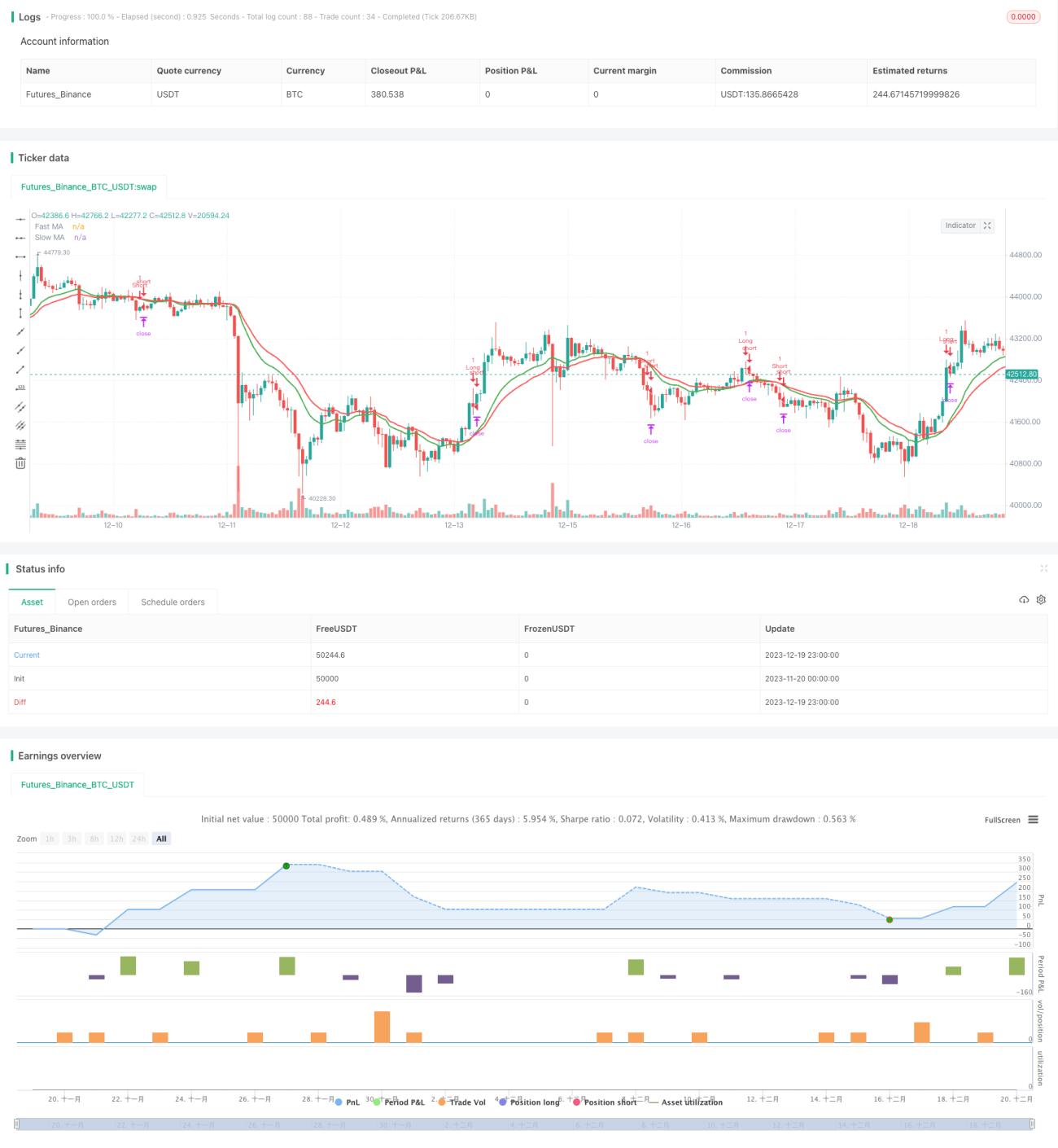
এই কৌশলটি একটি টিপিক্যাল ট্রেন্ড-ফলোয়িং পদ্ধতি হিসেবে ডাবল মুভিং এভারেজ ক্রসওভার ব্যবহার করে, সাথে স্টপ-লস, টেক-প্রফিট, ট্রেইলিং স্টপ-লস ইত্যাদি ঝুঁকি ব্যবস্থাপনা মেকানিজম যুক্ত করে, যাতে ট্রেন্ড মার্কেটে বড় লাভ ক্যাপচার করা যায়।
কৌশলের মূলনীতি
- দ্রুত সময়কাল n দিনের EMA (এক্সপোনেনশিয়াল মুভিং এভারেজ) হিসাব করা হয়, যা স্বল্পমেয়াদী মুভিং এভারেজ হিসেবে কাজ করে।
- ধীর সময়কাল m দিনের EMA হিসাব করা হয়, যা দীর্ঘমেয়াদী মুভিং এভারেজ হিসেবে কাজ করে।
- যখন স্বল্পমেয়াদী মুভিং এভারেজ নিচ থেকে উপরে দীর্ঘমেয়াদী মুভিং এভারেজ ভেদ করে, তখন লং (ক্রয়) পজিশন নেওয়া হয়; যখন উপরে থেকে নিচে ভেদ করে, তখন শর্ট (বিক্রয়) পজিশন নেওয়া হয়।
- পজিশন বন্ধ করার শর্ত: বিপরীত দিকে ভেদন (যেমন, লং পজিশনে থাকাকালে বিপরীত দিকে ভেদন হলে পজিশন বন্ধ করা হয়)।
- স্টপ-লস, টেক-প্রফিট, ট্রেইলিং স্টপ-লস ইত্যাদি ব্যবহার করে ঝুঁকি ব্যবস্থাপনা করা হয়।
সুবিধা বিশ্লেষণ
- ডাবল EMA ব্যবহার করায় দামের প্রবণতা পরিবর্তনের পয়েন্ট ভালোভাবে চিহ্নিত করা যায় এবং ট্রেন্ড মুভমেন্ট ক্যাপচার করা যায়।
- স্টপ-লস, টেক-প্রফিট ও ট্রেইলিং স্টপ-লস যুক্ত করার ফলে প্রতিটি ট্রেডের ক্ষতি নিয়ন্ত্রণ করা যায়, মুনাফা লক করা যায় এবং ড্রডাউন কমানো যায়।
- কাস্টমাইজযোগ্য প্যারামিটার বেশি থাকায় বিভিন্ন প্রোডাক্ট ও বাজার পরিস্থিতির সাথে মানিয়ে অপ্টিমাইজ করা যায়।
- কৌশলের যুক্তি সহজ ও পরিষ্কার, বোঝা ও পরিবর্তন করা সহজ।
- লং ও শর্ট উভয় ধরনের ট্রেড সমর্থন করে, বিভিন্ন ধরনের বাজার পরিস্থিতির সাথে খাপ খাওয়ানো যায়।
ঝুঁকি বিশ্লেষণ
- ডাবল মুভিং এভারেজ কৌশল ফাঁকা ব্রেকআউটের (ফেইকআউট) প্রতি খুবই সংবেদনশীল, সহজেই ফাঁদে পড়ার সম্ভাবনা থাকে।
- প্যারামিটার ঠিকমতো সেট না করলে ঘন ঘন ট্রেড হতে পারে, যার ফলে ট্রেডিং খরচ ও স্লিপেজ লস বেড়ে যায়।
- কৌশল নিজে থেকে ট্রেন্ডের মোড় নির্ধারণ করতে পারে না, তাই অন্যান্য ইন্ডিকেটরের সাথে মিলিয়ে ব্যবহার করলে ভালো ফল পাওয়া যায়।
- সাইডওয়ে (অস্থির) বাজারে ট্রেড সিগন্যাল তৈরি হলেও প্রকৃত লাভজনকতা কম থাকে।
- বিভিন্ন প্রোডাক্ট ও বাজার পরিস্থিতির জন্য প্যারামিটার অপ্টিমাইজ করা প্রয়োজন।
নিম্নলিখিত উপায়ে ঝুঁকি কমানো যেতে পারে:
- অন্যান্য ইন্ডিকেটরের সাথে মিলিয়ে ফাঁকা ব্রেকআউট ফিল্টার করা।
- প্যারামিটার অপ্টিমাইজ করে ট্রেড ফ্রিকোয়েন্সি কমানো।
- ট্রেন্ড নির্ধারণে অতিরিক্ত ইন্ডিকেটর যোগ করে সাইডওয়ে বাজারে ট্রেড এড়ানো।
- পজিশন সাইজ ম্যানেজমেন্ট ঠিক করে প্রতি ট্রেডে ঝুঁকি কমানো।
অপ্টিমাইজেশনের দিকনির্দেশনা
এই কৌশলটি নিম্নলিখিত দিক থেকে অপ্টিমাইজ করা যেতে পারে:
- দ্রুত ও ধীর মুভিং এভারেজের সময়কাল প্যারামিটার অপ্টিমাইজ করে বিভিন্ন প্রোডাক্ট ও বাজার পরিস্থিতির সাথে খাপ খাওয়ানো।
- ট্রেন্ড নির্ধারণ ও ফাঁকা ব্রেকআউট সিগন্যাল ফিল্টার করতে অন্যান্য ইন্ডিকেটর যোগ করা। যেমন MACD, KDJ ইত্যাদি।
- EMA-এর পরিবর্তে SMA (সিম্পল মুভিং এভারেজ) বা WMA (ওয়েটেড মুভিং এভারেজ) ব্যবহার করার কথা বিবেচনা করা।
- ATR (এভারেজ ট্রু রেঞ্জ) এর ভিত্তিতে ডায়নামিকভাবে স্টপ-লস দূরত্ব সমন্বয় করা।
- পজিশন ম্যানেজমেন্ট পদ্ধতির ভিত্তিতে প্রতি ট্রেডের সাইজ নমনীয়ভাবে সমন্বয় করা।
- সম্পর্ক (কোরিলেশন) ও অস্থিরতা (ভোলাটিলিটি) ইন্ডিকেটরের কম্বিনেশনের ভিত্তিতে প্যারামিটার স্বয়ংক্রিয় অপ্টিমাইজেশন করা।
সারমর্ম
সামগ্রিকভাবে এই কৌশলটি একটি টিপিক্যাল ডাবল EMA মুভিং এভারেজ ট্রেন্ড ফলোয়িং কৌশল। এতে ট্রেন্ড মুভমেন্ট ক্যাপচারের সুবিধা রয়েছে, পাশাপাশি স্টপ-লস, টেক-প্রফিট, ট্রেইলিং স্টপ-লস ইত্যাদি ঝুঁকি ব্যবস্থাপনার মাধ্যম যুক্ত করা হয়েছে। তবে কিছু সাধারণ সমস্যাও রয়েছে, যেমন শব্দ ও সাইডওয়ে বাজারের প্রতি উচ্চ সংবেদনশীলতা, সহজেই ফাঁদে পড়ার সম্ভাবনা। অতিরিক্ত সহায়ক ইন্ডিকেটর যুক্ত করা, প্যারামিটার অপ্টিমাইজেশন, ডায়নামিক অ্যাডজাস্টমেন্ট ও কম্বিনেশন ব্যবহারের মাধ্যমে এই কৌশলের কার্যকারিতা আরও বাড়ানো যেতে পারে। সার্বিকভাবে, প্যারামিটার সঠিকভাবে সেট করা থাকলে এবং প্রোডাক্টের বাজারের সাথে মানানসই হলে এই কৌশল ভালো ফল দিতে পারে।
- 1