Trendfolgestrategie basierend auf DMI und RSI

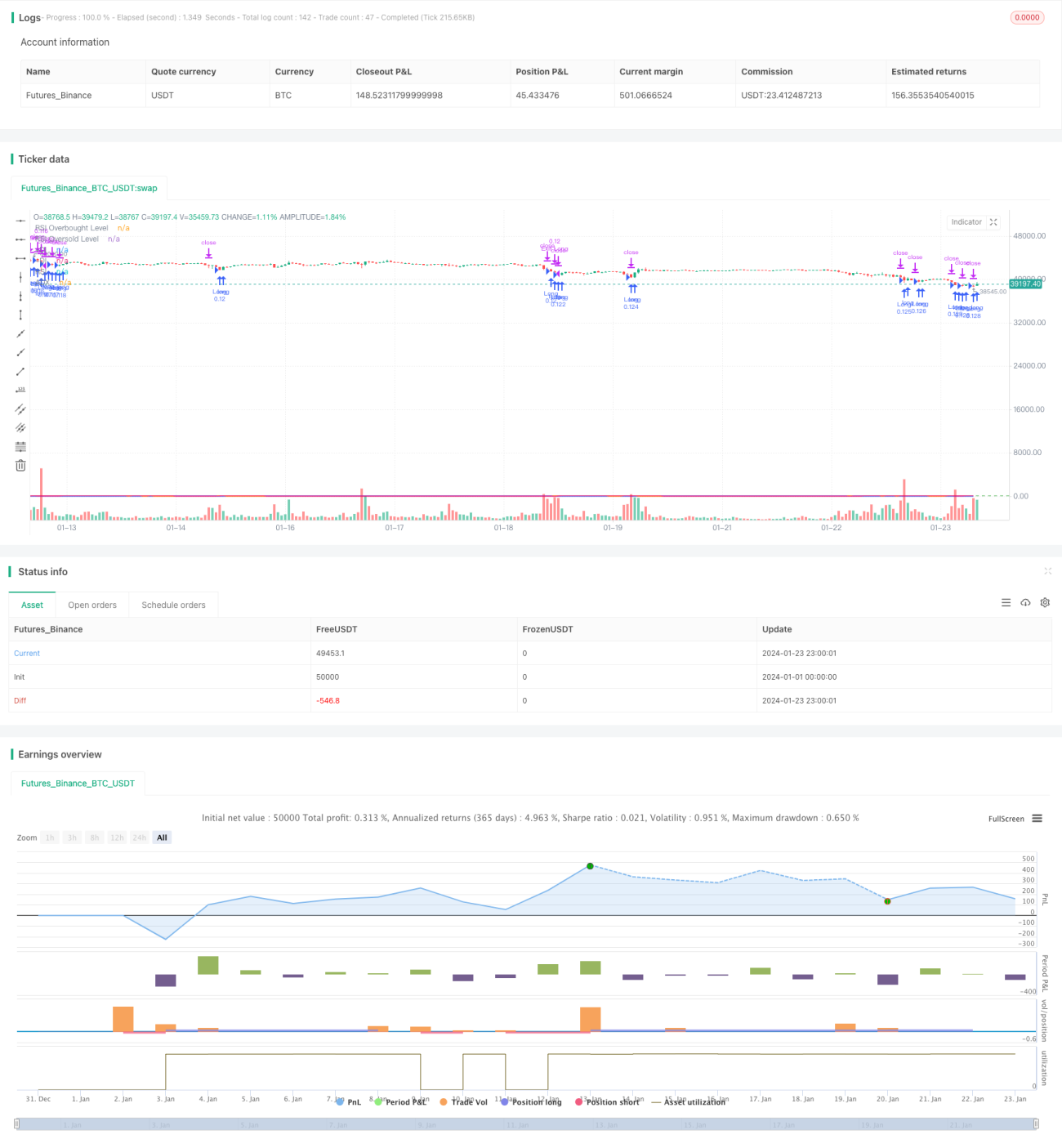
Überblick
Diese Strategie kombiniert den DMI-Indikator zur Bestimmung der Trendrichtung und den RSI-Indikator zur Erkennung überkaufter/überverkaufter Zustände und realisiert so eine relativ vollständige Trendfolgestrategie. Wenn der DMI einen Trend anzeigt und der RSI überkauft oder überverkauft ist, werden entsprechend Long- oder Short-Positionen eröffnet. Gleichzeitig wird ein Trailing-Stop-Loss eingesetzt, um Gewinne zu sichern.
Funktionsweise der Strategie
- Verwendung des DMI-Indikators zur Bestimmung der Trendrichtung
- Der DMI besteht aus drei Linien: +DI zeigt einen Aufwärtstrend an, -DI einen Abwärtstrend, und ADX misst die Trendstärke.
- Wenn +DI > -DI liegt ein Aufwärtstrend vor (Long); wenn -DI > +DI ein Abwärtstrend (Short).
- Verwendung des RSI-Indikators zur Erkennung überkaufter/überverkaufter Zustände
- Der RSI vergleicht die durchschnittlichen Schlusskursgewinne und -verluste über einen bestimmten Zeitraum, um überkaufte oder überverkaufte Bedingungen zu identifizieren.
- Ein RSI unter 30 gilt als überverkauft, über 70 als überkauft.
- Durch die Kombination von DMI (Trendrichtung) und RSI (Überkauft/Überverkauft) kann das Markttempo gut erfasst werden.
- Ein Aufwärtstrend laut DMI bei gleichzeitig überverkauftem RSI bietet einen guten Long-Einstieg.
- Ein Abwärtstrend laut DMI bei gleichzeitig überkauftem RSI bietet einen guten Short-Einstieg.
- Einsatz eines Trailing-Stop-Loss zur Gewinnsicherung.
Vorteile
Diese Strategie ist eine ausgereifte und stabile Trendfolgestrategie mit folgenden Vorteilen:
- Kombination von Trendbestimmung und Überkauft/Überverkauft-Erkennung vermeidet häufige Trades in Seitwärtsmärkten.
- Verwendung der etablierten Indikatoren DMI und RSI, deren Parameter leicht zu wählen sind und die umfangreich erprobt sind.
- Trailing-Stop-Loss sichert Gewinne und kann Verluste in gewissem Maße vermeiden.
- Klare, verständliche Regeln, einfache programmiertechnische Umsetzung, leicht anwendbar.
Risikoanalyse
Die Strategie birgt auch einige Risiken:
- DMI und RSI neigen zu Fehlsignalen, was unnötige Verluste verursachen kann.
- Ein falsch eingestellter Trailing-Stop-Loss kann zu vorzeitigem Ausstieg oder zu großen Verlusten führen.
- Die Strategie kann Seitwärtsbewegungen nicht wirksam filtern, was zu Verlusten führen kann.
- Als Trendfolgestrategie kann sie bei Trendwenden nicht rechtzeitig stoppen.
Optimierungsmöglichkeiten
Die Strategie kann in folgenden Bereichen optimiert werden:
- Einbeziehung eines Volatilitätsindikators zur Filterung von Seitwärtsphasen.
- Berücksichtigung von Candlestick-Mustern zur Vermeidung von Fehlausbrüchen.
- Setzen geeigneter Stop-Losses nahe wichtiger Unterstützungs-/Widerstandszonen zur Begrenzung von Verlusten.
- Integration von maschinellem Lernen zur Trendbewertung.
- Dynamische Optimierung der Parameter von DMI und RSI.
Zusammenfassung
Diese Strategie ist insgesamt eine stabile und praktische Trendfolgestrategie. Sie nutzt den DMI zur Bestimmung der Trendrichtung und den RSI zur Erkennung überkaufter/überverkaufter Zustände, um mittel- bis langfristige Handelsmöglichkeiten zu nutzen. Gleichzeitig wird ein Trailing-Stop-Loss eingesetzt, um Gewinne zu sichern. Die Parameter sind einfach zu wählen, die Handelsregeln sind klar und die Umsetzung ist leicht. Allerdings bestehen Risiken wie ein mögliches Festhalten an Positionen und nicht rechtzeitige Stop-Losses. Durch Parameter- und Modelloptimierungen kann die Strategie weiter verbessert werden.
- 1