Zwei-Zeitskalen-Momentum-Strategie

Überblick
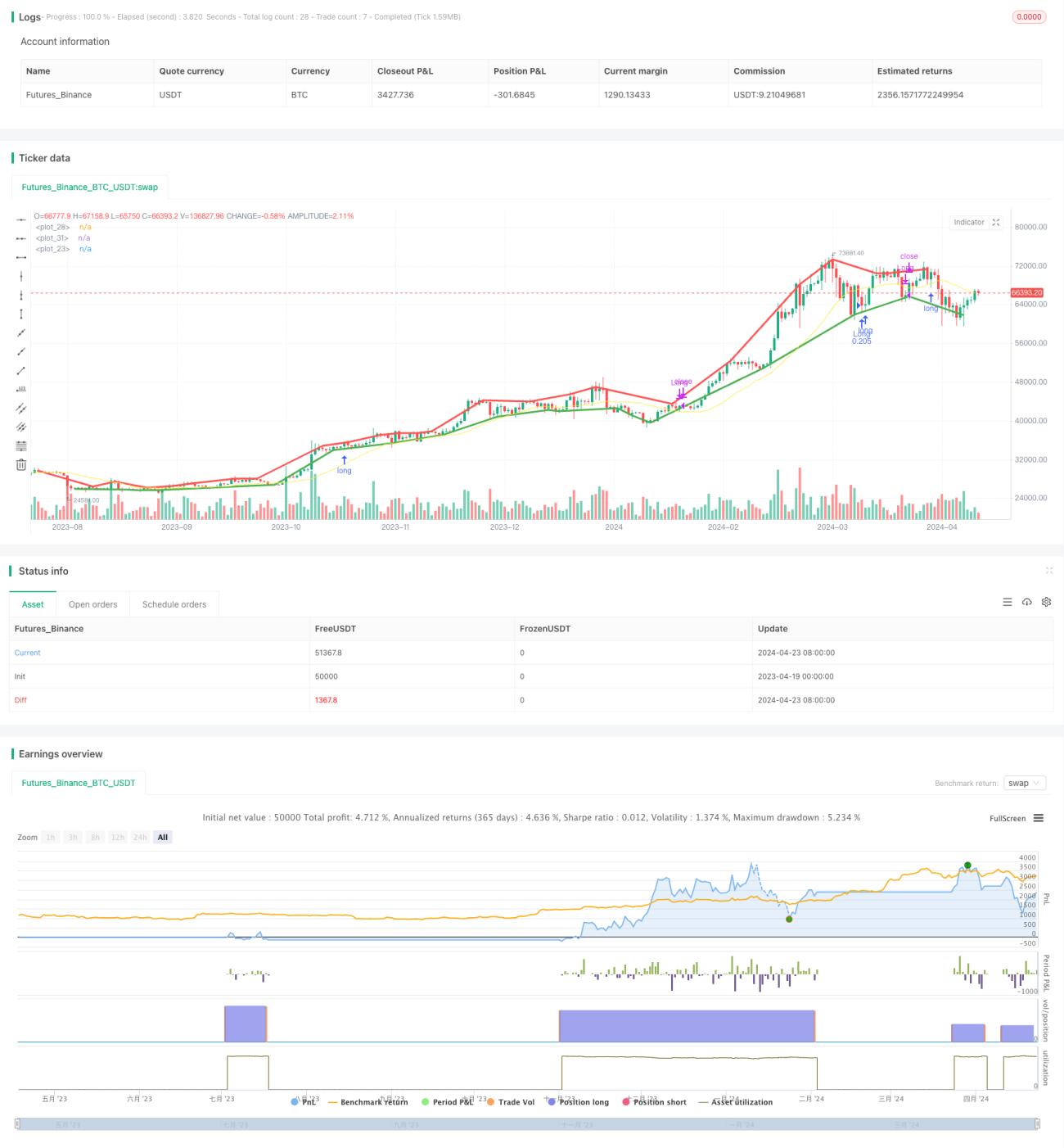
Diese Strategie ist eine zweizeitliche Momentumstrategie. Sie verwendet auf dem höheren Zeitrahmen einen einfachen gleitenden Durchschnitt (SMA), um die Trendrichtung zu bestimmen, und auf dem niedrigeren Zeitrahmen Pivot-Punkte (PivotLow und PivotHigh), um Wendepunkte zu identifizieren. Wenn der höhere Zeitrahmen einen Aufwärtstrend aufweist und der niedrigere Zeitrahmen einen zinsbullischen Pivot-Punkt zeigt, wird eine Long-Position eröffnet. Bei einem Abwärtstrend auf dem höheren Zeitrahmen und einem bärischen Pivot-Punkt auf dem niedrigeren Zeitrahmen wird eine Short-Position eröffnet.
Funktionsweise der Strategie
Das Hauptprinzip der Strategie besteht darin, dass die Trendrichtung des höheren Zeitrahmens die Bewegung des niedrigeren Zeitrahmens beeinflusst. Bei einem Aufwärtstrend im höheren Zeitrahmen stellen Korrekturen im niedrigeren Zeitrahmen eher Kaufgelegenheiten dar; bei einem Abwärtstrend im höheren Zeitrahmen sind Erholungen im niedrigeren Zeitrahmen eher Short-Gelegenheiten. Die Strategie nutzt den einfachen gleitenden Durchschnitt (SMA) zur Beurteilung der Trendrichtung im höheren Zeitrahmen und Pivot-Punkte (PivotLow und PivotHigh) zur Identifizierung von Wendepunkten im niedrigeren Zeitrahmen.
Vorteile der Strategie
- Zweizeitliche Analyse nutzt den Einfluss des höheren Zeitrahmens auf den niedrigeren Zeitrahmen und erhöht die Erfolgswahrscheinlichkeit von Trades.
- Die Verwendung des SMA zur Trendbestimmung ist relativ zuverlässig, und die Identifizierung von Wendepunkten mittels Pivot-Punkten ist präzise.
- Die Parameter sind einstellbar und die Strategie ist anpassungsfähig. Nutzer können die zeitlichen Maßstäbe, die SMA-Periode und die Parameter der Pivot-Punkte nach eigenen Bedürfnissen anpassen.
- Die Logik ist klar, leicht verständlich und umsetzbar.
Risiken der Strategie
- Risiko plötzlicher Trendumkehr: Wenn sich der Trend des höheren Zeitrahmens abrupt ändert, könnte der niedrigere Zeitrahmen noch nicht reagiert haben, was die Strategie unwirksam macht.
- Risiko der Parametereinstellung: Ungeeignete Parametereinstellungen können zu schlechter Performance führen. Eine zu kurze SMA-Periode kann zu häufigen Trades führen, eine zu lange Periode kann zu Verzögerungen in der Trendbewertung führen.
- Risiko extremer Marktbedingungen: Bei extremen Marktbedingungen (wie starken Kursausschlägen nach oben oder unten) könnte die Strategie versagen, da der niedrigere Zeitrahmen dem Trend des höheren Zeitrahmens dann möglicherweise nicht folgt.
Optimierungsmöglichkeiten der Strategie
- Hinzufügen einer Bewertung von Trendänderungen: Es könnten zusätzliche Logiken eingebaut werden, um zu erkennen, ob sich der Trend des höheren Zeitrahmens ändert, um die Trades im niedrigeren Zeitrahmen schneller anpassen zu können.
- Optimierung der Parameterauswahl: Es können Methoden zur Parameteroptimierung (wie genetische Algorithmen, Gittersuche) eingesetzt werden, um die optimale Parameterkombination zu finden.
- Erweiterung der Risikokontrolle: Es können zusätzliche Risikomanagement-Maßnahmen (wie Stop-Loss, Positionsgrößenmanagement) integriert werden, um Verluste unter extremen Marktbedingungen zu reduzieren.
- Einbeziehung multipler Faktoren: Andere Indikatoren oder Faktoren (wie Volatilität, Handelsvolumen) könnten in die Strategie aufgenommen werden, um deren Robustheit zu erhöhen.
Zusammenfassung
Diese zweizeitliche Momentumstrategie nutzt die Verbindung zwischen höheren und niedrigeren Zeitrahmen. Sie bestimmt die Trendrichtung im höheren Zeitrahmen und fängt Wendepunkte im niedrigeren Zeitrahmen ein, um Trendfolge- und Umkehrhandel zu ermöglichen. Die Strategie hat eine klare Logik und offensichtliche Vorteile, birgt jedoch auch einige Risiken. Zukünftige Optimierungen können in den Bereichen Trendänderungserkennung, Parameteroptimierung, Risikokontrolle und Multi-Faktor-Integration erfolgen, um die Anpassungsfähigkeit und Robustheit der Strategie zu verbessern.
- 1