
Warum traditionelle technische Indikatoren in komplexen Märkten versagen?
Im Bereich des quantitativen Handels stehen wir oft vor einem zentralen Problem: Einzelne technische Indikatoren erzeugen im Marktrauschen leicht Fehlsignale, was zu häufigen Stop-Loss-Verlusten und Kapitalrückgängen führt. Wie lässt sich also ein Handelssystem aufbauen, das sowohl Trends erkennt als auch Rauschen effektiv filtert?
Die heute analysierte Gauß-Kanal Mehrfachfilterstrategie bietet eine tiefgehend untersuchte Lösung, indem sie vier technische Indikatoren aus unterschiedlichen Dimensionen geschickt kombiniert.
Kernarchitektur: Wie arbeiten die vier Filtermechanismen zusammen?
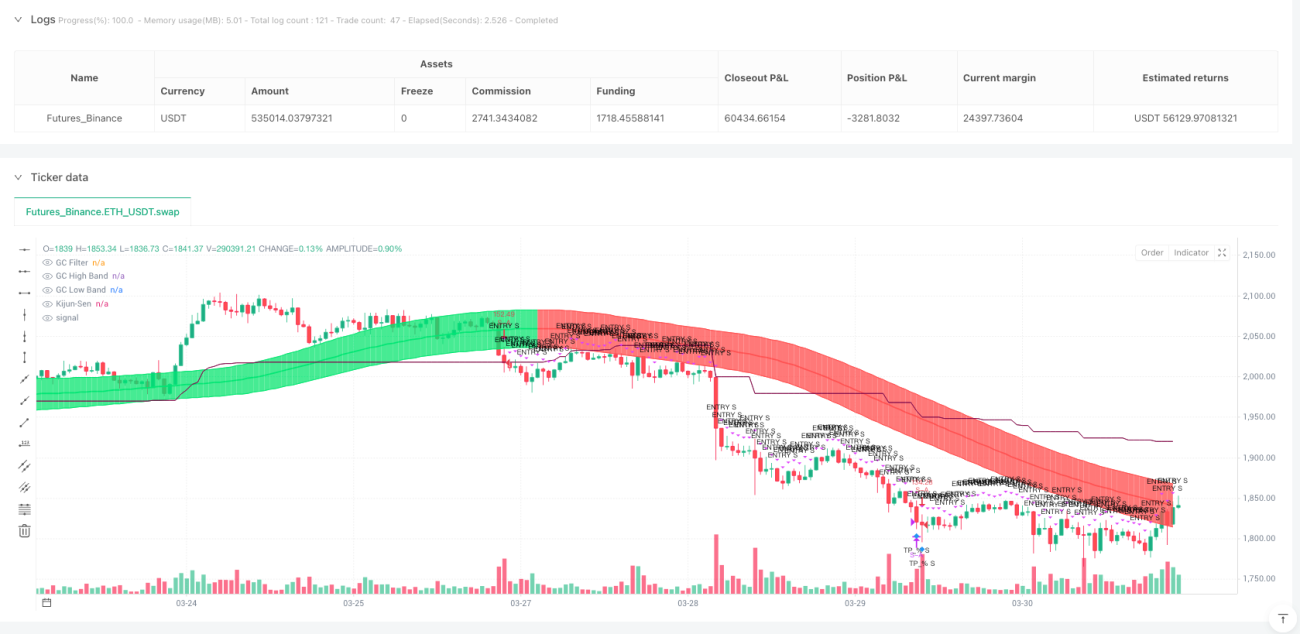
1. Gauß-Kanal (Gaussian Channel) – Kern der Trendidentifikation
Die Basis der Strategie ist ein Gauß-Filter 4. Ordnung mit einem Abtastfenster von 144 Perioden. Im Gegensatz zu herkömmlichen gleitenden Durchschnitten eliminiert der Gauß-Filter durch mathematische Modellierung den Großteil des Marktrauschens, während die Sensitivität gegenüber Preisänderungen erhalten bleibt.
Wichtige Parametereinstellungen:
- Gauß-Pole: 4 (Balance zwischen Verzögerung und Glättung)
- Abtastperiode: 144 (Erfassung mittelfristiger Trends)
- Filterfaktor: 1,414 (Standardabweichungsfaktor, steuert Kanalbreite)
2. Kijun-Sen-Linie (130 Perioden) – Bestätigung des mittel- bis langfristigen Trends
Hier wird die Kijun-Sen-Linie mit 130 Perioden als Trendfilter verwendet, nicht die traditionellen 26 Perioden. Welche Bedeutung steckt hinter dieser Anpassung?
Die längere Periodeneinstellung bewirkt:
- Reduzierung von Fehlsignalen bei Ausbrüchen
- Sicherstellung der Handelsrichtung im Einklang mit dem Haupttrend
- Verbesserung der Signalqualität bei geringerer Handelsfrequenz
3. VAPI-Indikator – Volumen-Preis-Analyse
Der VAPI (Volume Adjusted Price Indicator) analysiert die Beziehung zwischen Volumen und Preisänderungen, um die tatsächliche Absicht der Marktteilnehmer zu beurteilen. Bei VAPI > 0 wird Long unterstützt, bei < 0 Short.
4. ATR-Dynamischer Stop-Loss – Risikokontrollmechanismus
Der Stop-Loss basiert auf dem 11-Perioden-ATR multipliziert mit 4,5. Diese Einstellung berücksichtigt sowohl die Marktvolatilität als auch vermeidet, dass ein zu enger Stop-Loss durch Marktrauschen ausgelöst wird.
Innovation im Risikomanagement: Die 75/25-Aufteilungsstrategie
Der bemerkenswerteste Aspekt dieser Strategie ist ihr einzigartiges Kapitalmanagement:
Aufteilungslogik:
- 75 % der Position: fester Take-Profit mit einem Risiko-Ertrags-Verhältnis von 3,5
- 25 % der Position: dynamischer Trailing-Stop
Warum diese Aufteilung?
- Sicherung des Basisertrags: Der feste Take-Profit der 75 %-Position stellt sicher, dass der Großteil des Kapitals stabile Renditen erzielt.
- Erzielung von Überrenditen: Der Trailing-Stop der 25 %-Position ermöglicht höhere Gewinne bei anhaltenden Trends.
- Risikostreuung: Unterschiedliche Ausstiegsmechanismen reduzieren das Risiko eines einzelnen Strategieversagens.
Risikokontrollsystem: Mehrschichtige Schutzmechanismen
1. Einstiegsrisikokontrolle
- Risiko pro Trade begrenzt auf 3 % des Kontokapitals
- Dynamische Positionsberechnung basierend auf ATR
2. Positionsrisikomanagement
- Haupt-Stop-Loss: 4,5-facher ATR
- Trailing-Stop: dynamische Anpassung, Sicherung von Buchgewinnen
- Zusätzlicher Take-Profit: 10 % fester Gewinnschutz
3. Signalfiltermechanismus
Gleichzeitige Bestätigung durch vier technische Indikatoren senkt die Wahrscheinlichkeit von Fehlsignalen erheblich.
Analyse von Strategievorteilen und -einschränkungen
Kernvorteile:
- Hohe Signalqualität: Mehrfachfilter verbessern die Zuverlässigkeit von Handelssignalen deutlich.
- Kontrolliertes Risiko: Umfassendes Stop-Loss- und Positionsmanagement.
- Anpassungsfähigkeit: Dynamische ATR-Anpassung an unterschiedliche Marktvolatilitäten.
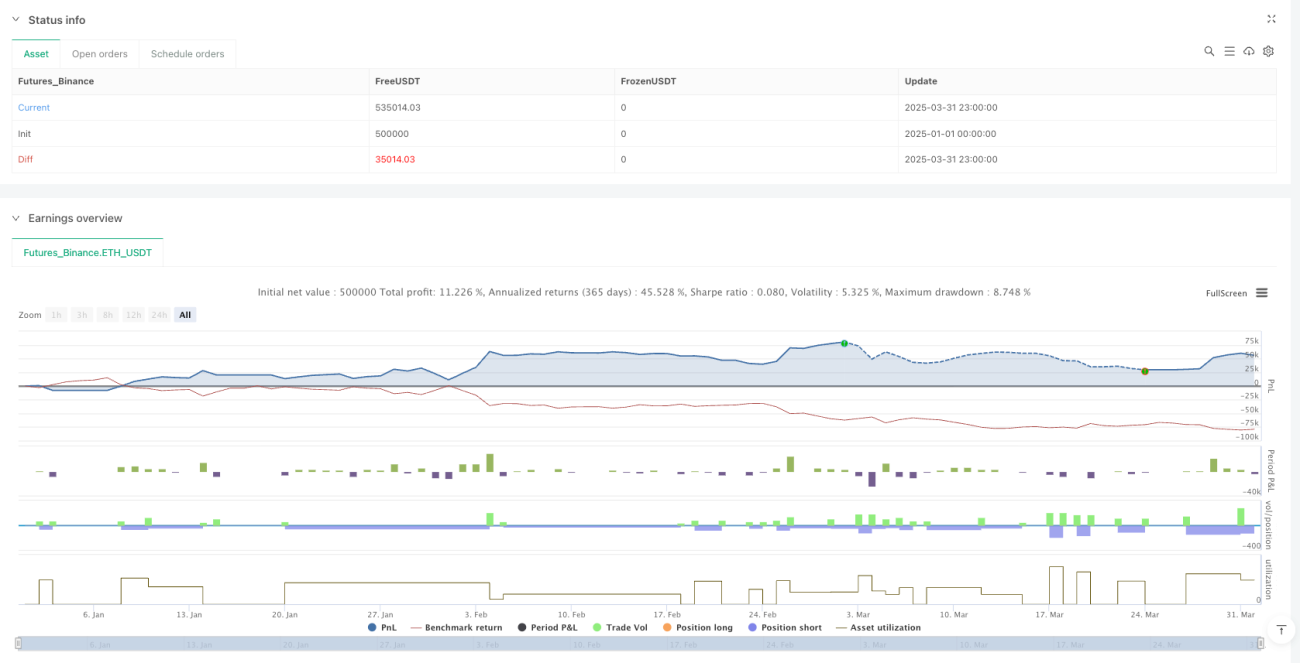
- Ertragsoptimierung: Aufteilungsstrategie balanciert stabile Erträge mit Überrenditen.
Potenzielle Einschränkungen:
- Trendabhängigkeit: In Seitwärtsmärkten möglicherweise schwache Performance.
- Parameterempfindlichkeit: Mehrere Parameter müssen je nach Produkt optimiert werden.
- Verzögerung: Mehrfachfilter können zu späteren Einstiegszeitpunkten führen.
Praktische Anwendungsempfehlungen
1. Produktauswahl
Bevorzugt trendstarke Produkte wie Hauptwährungspaare, Aktienindex-Futures usw.
2. Parameteroptimierung
Empfohlen wird eine Backtest-Optimierung basierend auf historischen Daten des jeweiligen Produkts, mit besonderem Fokus auf:
- Abtastperiode des Gauß-Kanals
- Periodenlänge der Kijun-Sen-Linie
- ATR-Stop-Loss-Multiplikator
3. Marktumfeld-Anpassung
In deutlichen Seitwärtsmärkten kann eine Pausierung der Strategie oder eine Anpassung der Parameter sinnvoll sein.
Fazit: Systematisches Denken im quantitativen Handel
Der Wert dieser Strategie liegt nicht nur in ihrer technischen Umsetzung, sondern noch mehr in dem systematischen Denken, das sie verkörpert:
- Mehrdimensionale Validierung: Überprüfung von Handelssignalen aus den Perspektiven Trend, Volumen, Volatilität usw.
- Risiko priorisieren: Ein umfassendes Risikokontrollsystem ist die Basis der Strategie.
- Ertragsoptimierung: Ausbalancieren verschiedener Ertragsziele durch Aufteilungsstrategie.
Für quantitative Trader bietet diese Strategie einen guten Rahmen als Referenz. Entscheidend ist nicht das direkte Kopieren der Parameter, sondern das Verständnis des Designansatzes und die entsprechende Anpassung an das eigene Handelsprodukt und die Risikobereitschaft.
Denken Sie daran: Die beste Strategie ist nicht die komplexeste, sondern diejenige, die am besten zu Ihrem Handelsstil und Marktumfeld passt.
/*backtest
start: 2025-01-01 00:00:00
end: 2025-04-01 00:00:00
period: 1h
basePeriod: 1h
exchanges: [{"eid":"Futures_Binance","currency":"ETH_USDT","balance":500000}]
*/

// @version=6
strategy("Gaussian Channel Strategy – GC + Kijun (120) + VAPI Gate + ATR(4.5x) + 75/25 TP-TRAIL + Extra %TP",
     overlay=true)
- 1