Spaced Out Trading Strategy

Overview
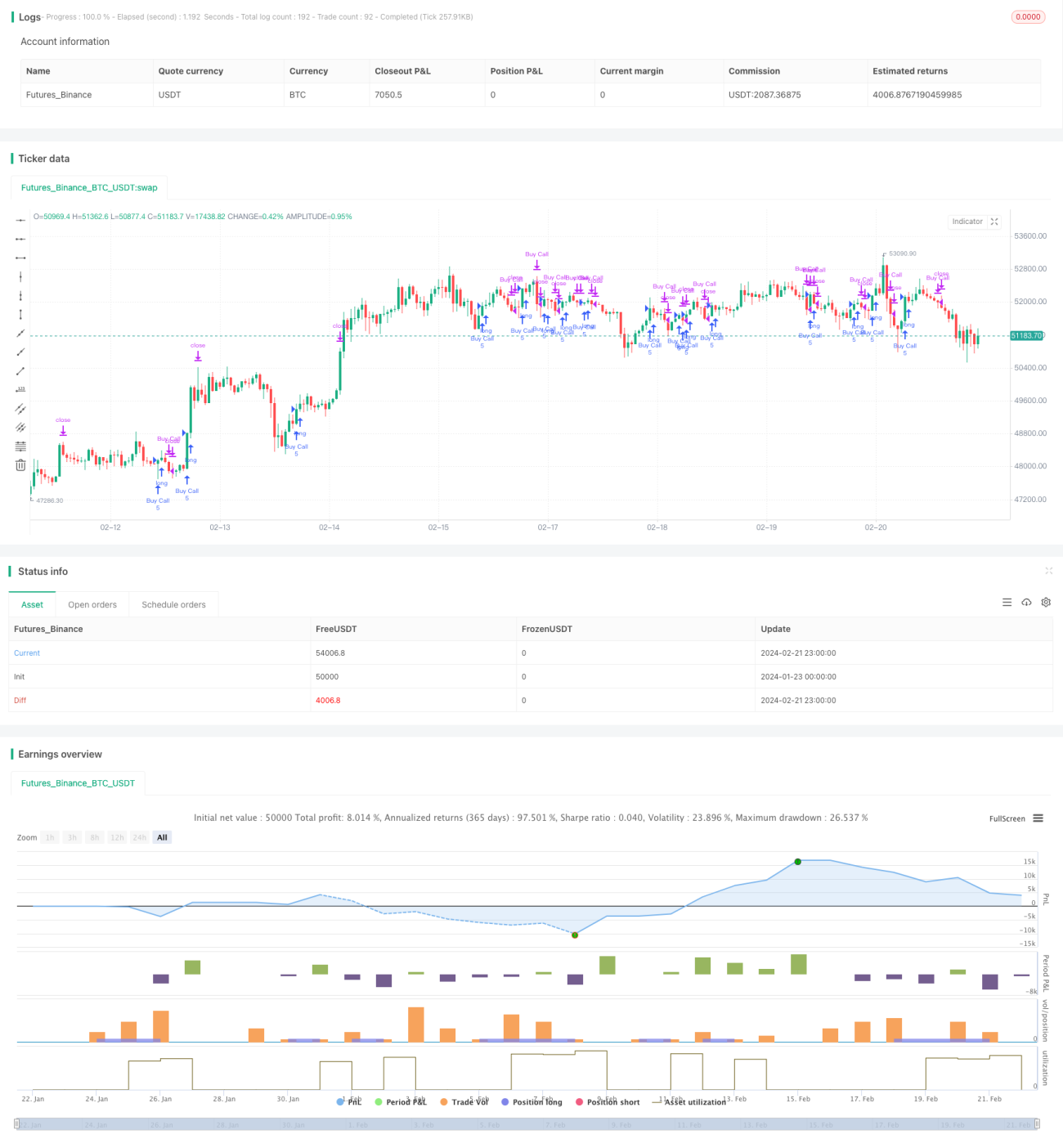
The Spaced Out Trading Strategy is a trend-following strategy based on moving averages. It utilizes a 30-day exponential moving average (EMA) to identify price trends and enters trades when prices break out above/below the EMA. It exits trades when prices fall back below/above the EMA line. This strategy works well with 30-min to daily timeframes.
Strategy Logic
The core logic relies on the relationship between price and the 30-day EMA to generate entry and exit signals. Specifically:
- Calculate the 30-day EMA as the benchmark for the trend.
- Enter long trades when prices break out above the EMA.
- Exit trades when prices fall back below the EMA.
By capturing trend breakouts, it aims to capitalize on momentum moves and trend-following opportunities.
Advantage Analysis
The main advantages of this strategy include:
- Simple logic that is easy to understand and implement at low costs.
- Smoothens price fluctuations using EMA and focuses on the main trend.
- The 30-day EMA provides a medium-term lens to capture both swing and long-term trends.
- Customizable parameters adaptable across products and market regimes.
Risks and Mitigations
Some of the key risks are:
- Whipsaw risk from prices reversing after temporary breakout of EMAs. Can use longer EMA periods.
- Risk of accumulated losses from sustained trend reversal. Can set stop-loss limits.
- Suboptimal EMA period risk. Can ensemble adaptive EMA or multiple EMAs.
Enhancement Opportunities
Some ways the strategy can be upgraded:
- Add adaptive EMAs tailored to market volatility and asset characteristics.
- Build multi-EMA systems combining short and long-term EMAs.
- Incorporate stop-loss mechanisms e.g. moving average stop, range bound stop.
- Combine with other indicators e.g. momentum, volatility for signal filtering.
- Parameter optimization via machine learning algorithms.
Summary
The Spaced Out Trading Strategy aims to capture trends by trading price breakouts of EMA levels. It is a simple and practical quantitative strategy. With customizable loss limits and judicious optimizations, it can be a stable strategy providing sustainable returns across medium to long-term holding periods.
- 1