High-Frequency Quantitative Session Trading Strategy: Adaptive Dynamic Position Management System Based on Breakout Signals

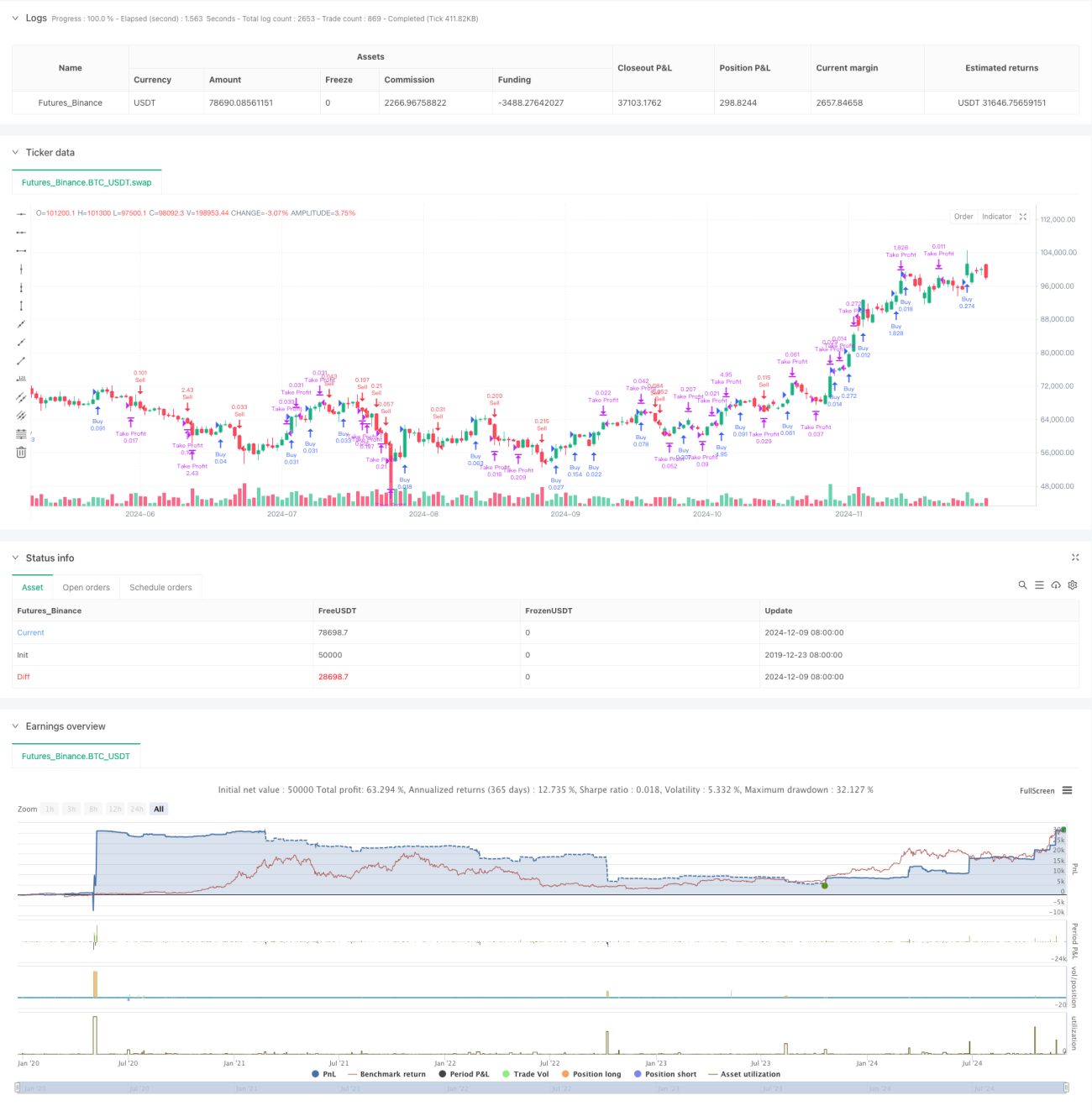
Overview
This strategy is a high-frequency quantitative trading system focused on capturing price breakout opportunities during London and US trading sessions. It achieves stable trading returns through customized trading sessions (Kill Zones), dynamic position management, and precise order management. The core of the strategy is to establish a complete trading framework through price action analysis within specific sessions, combined with high and low point data from the lookback period.
Strategy Principles
The strategy operates based on the following core principles:
- Session Selection: The strategy focuses on London and US trading sessions, which typically have higher liquidity and volatility.
- Breakout Signals: Identifies potential breakout opportunities by analyzing the relationship between current closing and opening prices, as well as comparison with previous highs and lows.
- Dynamic Positioning: Dynamically calculates position size for each trade based on account equity, risk percentage, and stop-loss distance.
- Order Management: Implements automatic pending order cancellation mechanism to avoid risks from expired orders.
- Risk-Reward Ratio: Allows traders to set risk-reward ratios according to personal risk preferences.
Strategy Advantages
- Precise Time Management: Ensures trading during the most liquid times through customized trading sessions.
- Intelligent Position Management: Dynamically calculates position sizes to effectively control risk exposure for each trade.
- Flexible Parameter Configuration: Traders can adjust various parameters according to personal needs.
- Comprehensive Risk Control: Includes multiple risk control mechanisms such as stop-loss, take-profit, and order timeout cancellation.
- High Automation Level: Fully automated from signal generation to order management, reducing human intervention.
Strategy Risks
- Market Volatility Risk: False breakout signals may be triggered during high volatility periods.
- Slippage Risk: Slippage in high-frequency trading may affect strategy performance.
- False Breakout Risk: Market may exhibit false breakouts leading to trading losses.
- Liquidity Risk: Insufficient liquidity during specific sessions may affect order execution.
Strategy Optimization Directions
- Implement Volatility Filter: Optimize entry timing through market volatility analysis.
- Add Trend Filtering: Improve trading direction accuracy by incorporating longer-term trend indicators.
- Optimize Time Windows: Fine-tune trading session settings based on historical data analysis.
- Enhance Position Management: Consider adding volatility-based dynamic position adjustment mechanisms.
Summary
The strategy builds a complete high-frequency trading system by comprehensively utilizing management methods across multiple dimensions including time, price, and position. Its core advantages lie in precise timing of trades and comprehensive risk management mechanisms, but traders need to closely monitor changes in market conditions and adjust parameter settings accordingly.
- 1