Multi-Indicator Collaborative Trading Signal Generation Strategy (RSI-BB-IMI-MFI)

Overview
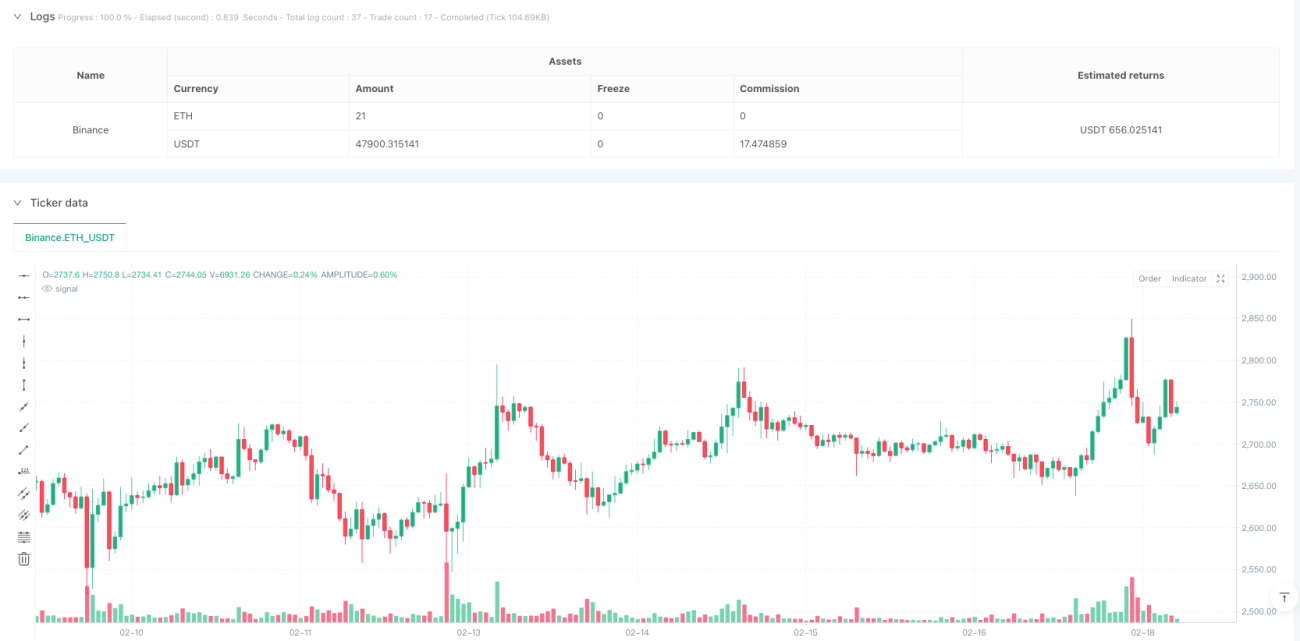
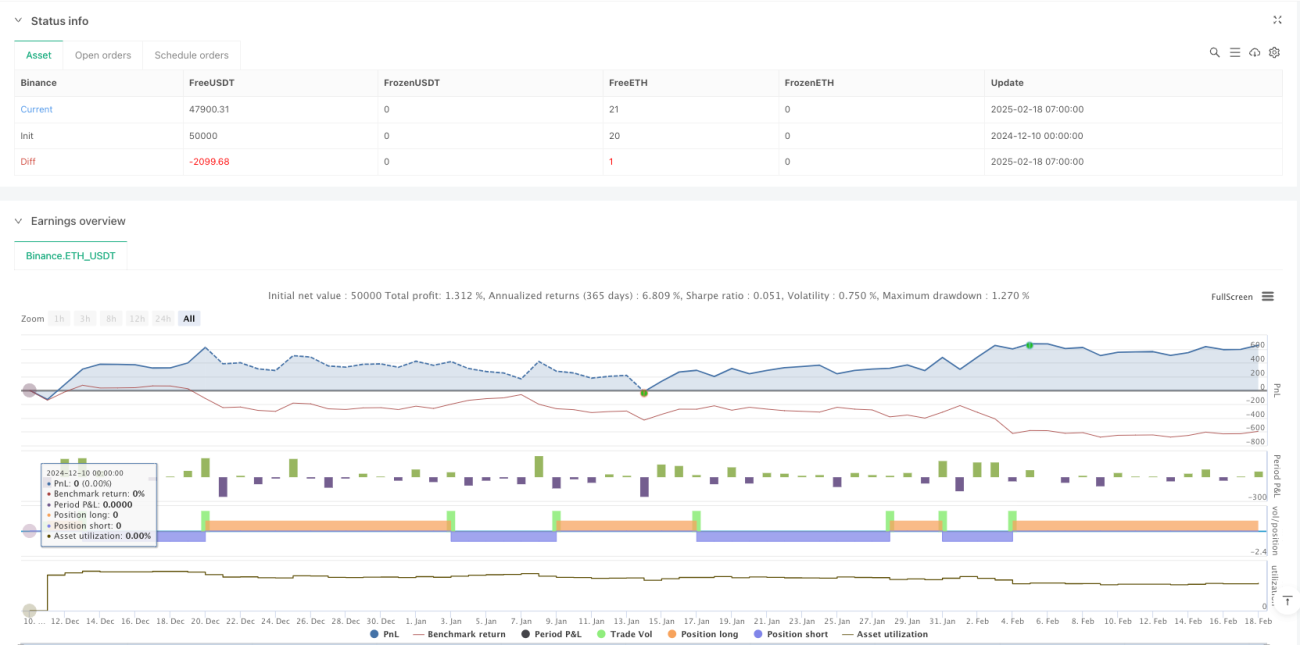
This strategy is a trading signal generation system based on multiple technical indicator collaborative analysis. The strategy integrates four classic technical indicators: Relative Strength Index (RSI), Bollinger Bands (BB), Intraday Momentum Index (IMI), and Money Flow Index (MFI), utilizing cross-validation between indicators to generate more reliable trading signals. The strategy is specifically designed for 4-hour timeframes and classifies signals into regular and strong levels based on signal strength.
Strategy Principle
The core logic of the strategy is to confirm trading signals through the collaboration of multiple indicators. Specifically:
- Buy Signal Trigger Conditions:
- RSI below 30, indicating oversold market
- Price below lower Bollinger Band, showing significant price deviation
- IMI below 30, indicating weakening downward intraday momentum
- MFI below 20, showing reduced selling pressure
- Sell Signal Trigger Conditions:
- RSI above 70, indicating overbought market
- Price above upper Bollinger Band, showing significant price deviation
- IMI above 70, indicating weakening upward intraday momentum
- MFI above 80, showing reduced buying pressure
- Strong signal conditions further tighten threshold requirements based on regular signals
Strategy Advantages
- Multiple technical indicators cross-validation significantly improves signal reliability
- Distinguishes between regular and strong signals for flexible position adjustment
- Clear and simple strategy logic, easy to understand and maintain
- Adjustable indicator parameters, strong adaptability
- Integrated backtesting functionality for strategy optimization
Strategy Risks
- Multiple indicator collaboration may lead to signal lag
Solution: Appropriately relax trigger conditions or introduce trend prediction indicators - Fixed thresholds may not be suitable in different market environments
Solution: Introduce adaptive threshold mechanism - 4-hour timeframe may miss short-term opportunities
Solution: Add multiple timeframe analysis
Strategy Optimization Directions
- Introduce adaptive threshold mechanism
Dynamically adjust signal thresholds by calculating historical percentiles of indicators - Add trend strength filtering
Introduce trend strength indicators like ADX to filter false signals in ranging markets - Optimize position management
Dynamically adjust position size based on signal strength and market volatility - Add stop-loss and take-profit mechanism
Set dynamic stop-loss and take-profit levels based on ATR
Summary
This strategy constructs a relatively reliable trading signal generation system through the collaborative analysis of multiple classic technical indicators. The strategy design emphasizes practicality and maintainability while leaving ample room for optimization. Through reasonable parameter adjustment and implementation of optimization directions, the strategy shows promise for stable performance in actual trading.
- 1