Estrategia de seguimiento de tendencia basada en múltiples indicadores

Resumen
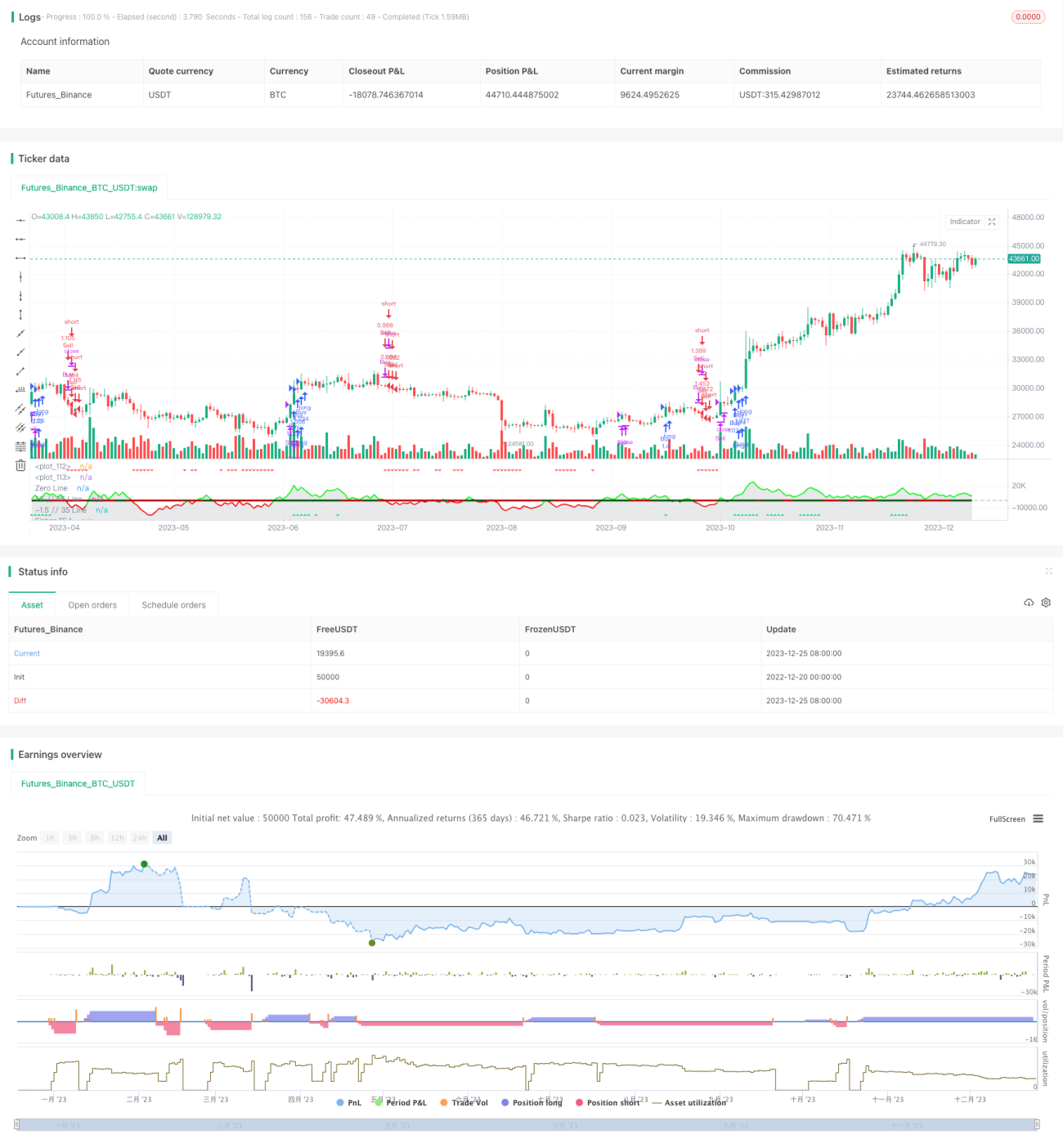
Esta estrategia se denomina Estrategia de Seguimiento de Tendencia con Indicadores Múltiples (Multi-Indicator Trend Tracking Strategy). Utiliza múltiples indicadores como el Indicador de Transformación de Fisher, la Media Móvil Ponderada (WMA), el Índice de Fuerza Relativa (RSI) y el Volumen en Balance (OBV) para determinar la dirección de la tendencia del mercado y realizar operaciones de seguimiento de tendencia.
Principio de la Estrategia
- El Indicador de Transformación de Fisher juzga la tendencia y la fuerza del cambio de precio. Cuando las cuatro líneas de Fisher cambian de color simultáneamente, se genera una señal de trading.
- La WMA determina la dirección de la gran tendencia. El RSI filtra señales falsas.
- El indicador OBV se utiliza para confirmar la tendencia.
Específicamente, el Indicador de Transformación de Fisher incluye cuatro líneas: 1x, 2x, 4x y 8x. Cuando las cuatro líneas se vuelven verdes hacia arriba al mismo tiempo, se genera una señal de compra; cuando las cuatro líneas se vuelven rojas hacia abajo simultáneamente, se genera una señal de venta. La WMA determina la dirección de la gran tendencia: si el indicador sube, se considera alcista; si baja, se considera bajista. El OBV confirma la dirección de la tendencia. El RSI filtra señales falsas.
Análisis de Ventajas
Esta estrategia ofrece las siguientes ventajas:
- El Indicador de Transformación de Fisher tiene una gran capacidad de juicio. Cuando las cuatro líneas de Fisher cambian de color al mismo tiempo, la probabilidad de una reversión de tendencia es muy alta.
- La WMA determina la dirección principal de la gran tendencia, evitando operar en contra de la tendencia.
- El OBV confirma la tendencia, evitando falsas rupturas en mercados sin tendencia clara.
- El RSI filtra señales falsas, garantizando la fiabilidad de las señales.
Mediante la combinación de múltiples indicadores, se asegura tanto la precisión y fiabilidad de las señales de trading como la capacidad de seguimiento de tendencia, logrando un buen rendimiento de la estrategia.
Análisis de Riesgos
Esta estrategia también presenta ciertos riesgos:
- Si el mercado se consolida, las líneas de Fisher pueden generar señales falsas. En ese caso, es necesario confiar en el RSI para filtrarlas.
- Una configuración inadecuada de los parámetros de la WMA también puede afectar la precisión del juicio.
- El Indicador de Transformación de Fisher tiene un rendimiento deficiente en movimientos de muy corto plazo.
- Si se produce una caída abrupta (cascada), la estrategia puede generar pérdidas enormes.
Para reducir el riesgo, se pueden ajustar adecuadamente los parámetros del RSI y optimizar el período de la WMA. También se pueden establecer niveles de stop-loss para evitar pérdidas excesivas.
Direcciones de Optimización
Esta estrategia se puede optimizar aún más en los siguientes aspectos:
- Probar el rendimiento de la estrategia con diferentes parámetros de período para encontrar la mejor combinación.
- Agregar un mecanismo de stop-loss que se active cuando la pérdida alcance un cierto porcentaje.
- Ajustar los parámetros del Indicador de Transformación de Fisher según los resultados del backtesting para encontrar la combinación más precisa.
- Intentar agregar otros indicadores de filtro, como el Índice de Fuerza o la Desviación (Bias).
- Probar diferentes tamaños de posición al abrir operaciones.
Conclusión
Esta estrategia combina el Indicador de Transformación de Fisher, la WMA, el OBV y el RSI para determinar la dirección de la tendencia del mercado. Sus señales son precisas, su capacidad de confirmación es sólida y permite capturar eficazmente las ganancias de la tendencia. Mediante la optimización de parámetros, se puede mejorar aún más el factor de beneficio de la estrategia. En general, esta estrategia logra un seguimiento eficiente de la tendencia mediante la combinación de indicadores, con buenos resultados.
/*backtest
start: 2022-12-20 00:00:00
end: 2023-12-26 00:00:00
period: 1d
basePeriod: 1h
exchanges: [{"eid":"Futures_Binance","currency":"BTC_USDT"}]
*/

//@version=5
//author Sdover0123
strategy(title='FTR, WMA, OBV & RSI Strat', shorttitle='FTR WMA, OBV, RSI',overlay=false, default_qty_type=strategy.percent_of_equity, initial_capital = 100, default_qty_value=100, commission_value = 0.06, pyramiding = 3)
Len = input.int(10, minval=1, group ="Fisher Transform")- 1