Estrategia de Grid Trading Adaptativa e Inteligente

Resumen
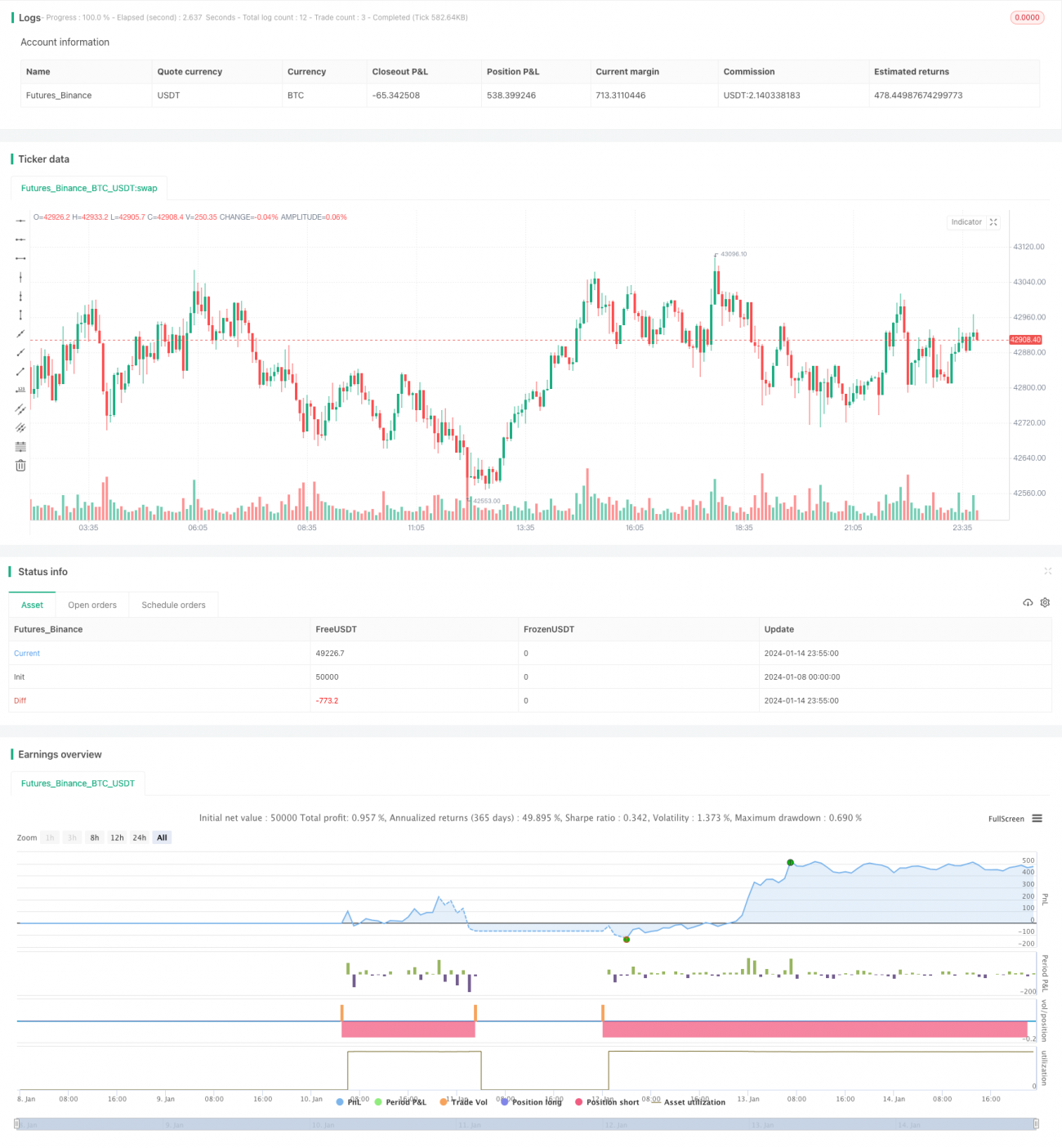
Esta estrategia es una estrategia de trading en cuadrícula inteligente y adaptativa basada en la plataforma TradingView, escrita en Pine Script v4. Se superpone en el gráfico de precios y crea una cuadrícula dentro de un rango especificado para generar señales de compra y venta.
Principio de la Estrategia
Funciones Clave
-
Piramidalización y Gestión de Capital:
- Permite hasta 14 operaciones adicionales en la misma dirección (piramidalización).
- Utiliza una estrategia basada en efectivo para gestionar el tamaño de las posiciones.
- El capital inicial se establece en 100 USD con fines de simulación.
- Se cobra una comisión del 0,1% por cada operación.
-
Rango de la Cuadrícula:
- El usuario puede elegir entre usar un rango calculado automáticamente o establecer manualmente los límites superior e inferior de la cuadrícula.
- El rango automático puede derivarse de los máximos y mínimos de precio recientes o de una media móvil simple (SMA).
- El usuario puede definir el período de retroceso para calcular el rango y ajustar la desviación para expandir o reducir el rango.
-
Líneas de la Cuadrícula:
- La estrategia permite un número personalizable de líneas de cuadrícula dentro del rango, con un rango recomendado de 3 a 15.
- Las líneas de la cuadrícula se espacian uniformemente entre el límite superior e inferior.
Lógica de la Estrategia
-
Entrada en Posición:
- Cuando el precio cae por debajo de una línea de cuadrícula y no hay una orden abierta asociada a esa línea, el script realiza una orden de compra.
- La cantidad de cada orden de compra se calcula dividiendo el capital inicial entre el número de líneas de la cuadrícula y se ajusta según el precio actual.
-
Salida de Posición:
- Cuando el precio sube por encima de una línea de cuadrícula superior y existe una orden abierta asociada a la siguiente línea de cuadrícula inferior, se activa una señal de venta.
-
Cuadrícula Adaptativa:
- Si se utiliza el rango automático, la cuadrícula se adapta a las condiciones cambiantes del mercado recalculando los límites superior e inferior y ajustándose en consecuencia.
Análisis de Ventajas
Esta estrategia integra la sistematización y la eficiencia en la ejecución del trading en cuadrícula. Al permitir la piramidalización y el uso de gestión de capital, se puede controlar el riesgo de manera efectiva. La cuadrícula se adapta automáticamente al mercado, lo que la hace aplicable a diferentes condiciones de mercado. Los parámetros son ajustables para adaptarse a diferentes estilos de trading.
Análisis de Riesgos
Si el precio supera los límites superior o inferior de la cuadrícula, podrían generarse pérdidas significativas. Es necesario ajustar los parámetros adecuadamente o combinar con stop-loss para controlar el riesgo. Además, un trading demasiado frecuente puede aumentar los costos de transacción.
Direcciones de Optimización
Se podría considerar la incorporación de indicadores de tendencia para filtrar señales u optimizar los parámetros de la cuadrícula. También se puede utilizar un stop-loss para protegerse contra el riesgo de movimientos extremos del mercado.
Resumen
Esta estrategia genera puntos de compra y venta de manera sistemática y gestiona las posiciones, permitiendo su adaptación a diferentes preferencias mediante el ajuste de parámetros. Combina la naturaleza reglada del trading en cuadrícula con la flexibilidad del trading de tendencias, lo que reduce la dificultad operativa y ofrece cierto margen de tolerancia a errores.
/*backtest
start: 2024-01-08 00:00:00
end: 2024-01-15 00:00:00
period: 5m
basePeriod: 1m
exchanges: [{"eid":"Futures_Binance","currency":"BTC_USDT"}]
*/

//@version=4
strategy("(IK) Grid Script", overlay=true, pyramiding=14, close_entries_rule="ANY", default_qty_type=strategy.cash, initial_capital=100.0, currency="USD", commission_type=strategy.commission.percent, commission_value=0.1)
i_autoBounds    = input(group="Grid Bounds", title="Use Auto Bounds?", defval=true, type=input.bool)                             // calculate upper and lower bound of the grid automatically? This will theorhetically be less profitable, but will certainly require less attention
i_boundSrc = input(group="Grid Bounds", title="(Auto) Bound Source", defval="Hi & Low", options=["Hi & Low", "Average"]) // should bounds of the auto grid be calculated from recent High & Low, or from a Simple Moving Average- 1