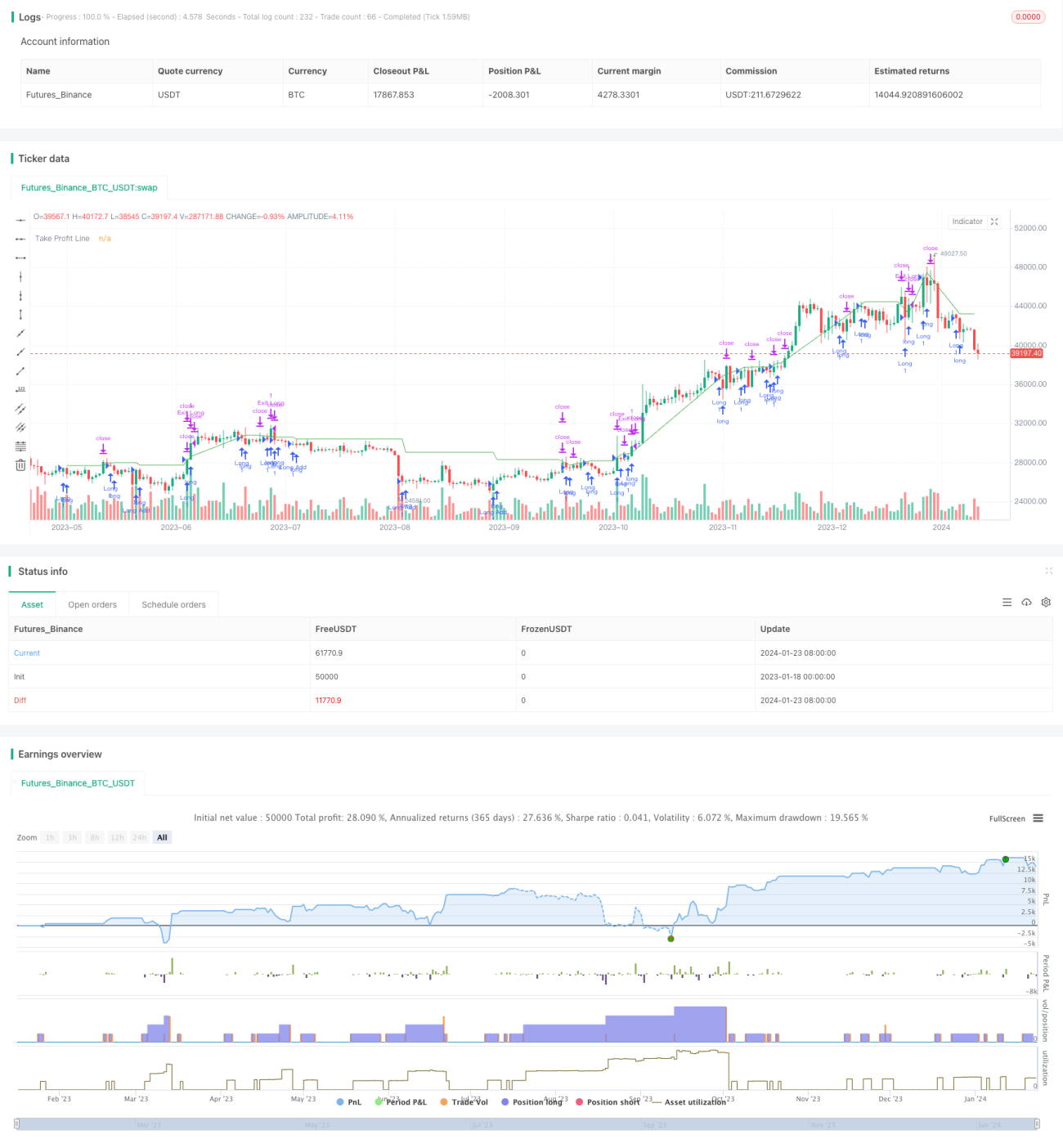
La estrategia es una estrategia de comercio de cuantificación de factores múltiples, que combina varios indicadores técnicos, como RSI, MACD, OBV, CCI, CMF, MFI y VWMACD, para lograr un comercio de cuantificación de acciones automatizado. La estrategia se llama estrategia de selección de factores de cuantificación de cuantificación.
La lógica central de esta estrategia es juzgar por la forma de varios indicadores técnicos y realizar una operación de compra cuando varios indicadores emiten señales de compra al mismo tiempo.
En concreto, el RSI, MACD, OBV, CCI, CMF, MFI y VWMACD en la estrategia, detecta si se presentan como una tendencia bajista, pero el valor del indicador en sí no ha bajado. Si esto ocurre, puede ser una indicación de que la reversión está a punto de subir.
Además, la estrategia también introduce una lógica de juicio de la anormalidad del volumen de transacción. Cuando el precio fluctúa pero el volumen de transacción no se incrementa notablemente, entonces es probable que sea una falsa ruptura, que también emite una señal de compra.
En resumen, la estrategia mejora la precisión de la toma de decisiones mediante la observación de las señales de reversión de varios indicadores técnicos y la combinación de un juicio de anomalías en el volumen de transacciones, lo que es clave para el éxito de la estrategia de comercio cuantitativo.
La estrategia tiene las siguientes ventajas:
El modelo multifactor, que combina las señales de los 7 indicadores técnicos más usados, mejora la precisión de las decisiones comerciales.
La introducción de señales de inversión de tráfico evita el engaño de falsas brechas y el filtrado de señales no válidas.
El análisis de la tendencia bajista capta con anticipación el momento oportuno para que las acciones vuelvan a subir.
La automatización de las transacciones, que no requiere la intervención humana, reduce considerablemente los costos de operación.
La lógica de la estrategia es clara y simple, fácil de entender, modificar y optimizar.
La estrategia también tiene sus riesgos:
La combinación inadecuada de múltiples factores puede generar señales de negociación conflictivas. Se debe probar y ajustar los parámetros de cada factor para encontrar la configuración óptima.
Las inversiones en inversiones en sí mismas tienen un cierto riesgo, y existe la posibilidad de que se inviertan nuevamente. Se puede establecer un punto de parada para controlar el riesgo.
El indicador de VOLUME puede no funcionar bien para algunas acciones de baja liquidez, en cuyo caso se puede reducir la ponderación de VOLUME o excluir esta parte de las acciones.
El rendimiento en tiempo real puede variar. Se necesita acumular más datos en tiempo real para la prueba.
La estrategia puede ser mejorada en los siguientes aspectos:
Aumentar o disminuir algunos indicadores técnicos para encontrar la configuración óptima del modelo multifactorial.
Establecer diferentes parámetros o pesos para diferentes tipos de acciones, lo que hace que las estrategias sean más específicas.
Establezca un stop loss dinámico y mueva el stop para bloquear ganancias y controlar el riesgo.
La información se puede combinar con información sobre el sector, el concepto, etc., para seleccionar el comercio de acciones en sectores específicos.
La aplicación de algoritmos de aprendizaje automático para optimizar los parámetros de las estrategias.
La estrategia general es una estrategia de comercio cuantitativa con gran potencial. Combina varias señales de indicadores técnicos, con el apoyo de la capacidad de retroceso de la cantidad, para detectar eficazmente las oportunidades de reversión de la acción y automatizar la negociación. Se espera obtener un mejor rendimiento una vez que los parámetros de optimización y control de riesgo estén en su lugar.
/*backtest
start: 2023-01-18 00:00:00
end: 2024-01-24 00:00:00
period: 1d
basePeriod: 1h
exchanges: [{"eid":"Futures_Binance","currency":"BTC_USDT"}]
*/
// This Pine Script™ code is subject to the terms of the Mozilla Public License 2.0 at https://mozilla.org/MPL/2.0/
// © mkose81
//@version=5
strategy("MK future stopsuz 40 alım (Sadece Long)", overlay=true, max_bars_back=4000,use_bar_magnifier= true,pyramiding=40)
// RSI Hesaplama
rsi = ta.rsi(close, 14)
float botRSI = na
botRSI := ta.pivotlow(5, 5)
botcRSI = 0
botcRSI := botRSI ? 5 : nz(botcRSI[1]) + 1
newbotRSI = ta.pivotlow(5, 0)
emptylRSI = true
if not na(newbotRSI) and newbotRSI < low[botcRSI]
diffRSI = (newbotRSI - low[botcRSI]) / botcRSI
llineRSI = newbotRSI - diffRSI
for x = 1 to botcRSI - 1 by 1
if close[x] < llineRSI
emptylRSI := false
break
llineRSI -= diffRSI
emptylRSI
// Pozitif Uyumsuzluk Alım Sinyali - RSI
alRSI = 0
if emptylRSI and not na(newbotRSI)
if rsi[botcRSI] < rsi
alRSI := 1
// MACD Hesaplama
[macd, signal, _] = ta.macd(close, 21, 55, 8)
float botMACD = na
botMACD := ta.pivotlow(5, 5)
botcMACD = 0
botcMACD := botMACD ? 5 : nz(botcMACD[1]) + 1
newbotMACD = ta.pivotlow(5, 0)
emptylMACD = true
if not na(newbotMACD) and newbotMACD < low[botcMACD]
diffMACD = (newbotMACD - low[botcMACD]) / botcMACD
llineMACD = newbotMACD - diffMACD
for x = 1 to botcMACD - 1 by 1
if close[x] < llineMACD
emptylMACD := false
break
llineMACD -= diffMACD
emptylMACD
// Pozitif Uyumsuzluk Alım Sinyali - MACD
alMACD = 0
if emptylMACD and not na(newbotMACD)
if macd[botcMACD] < macd
alMACD := 1
// OBV Hesaplama ve Uyumsuzluk Tespiti
obv = ta.cum(ta.change(close) > 0 ? volume : ta.change(close) < 0 ? -volume : 0)
float botOBV = na
botOBV := ta.pivotlow(5, 5)
botcOBV = 0
botcOBV := botOBV ? 5 : nz(botcOBV[1]) + 1
newbotOBV = ta.pivotlow(5, 0)
emptylOBV = true
if not na(newbotOBV) and newbotOBV < obv[botcOBV]
diffOBV = (newbotOBV - obv[botcOBV]) / botcOBV
llineOBV = newbotOBV - diffOBV
for x = 1 to botcOBV - 1 by 1
if obv[x] < llineOBV
emptylOBV := false
break
llineOBV -= diffOBV
emptylOBV
// Pozitif Uyumsuzluk Alım Sinyali - OBV
alOBV = 0
if emptylOBV and not na(newbotOBV)
if obv[botcOBV] < obv
alOBV := 1
// CCI Hesaplama ve Uyumsuzluk Tespiti
cci = ta.cci(close, 20)
float botCCI = na
botCCI := ta.pivotlow(5, 5)
botcCCI = 0
botcCCI := botCCI ? 5 : nz(botcCCI[1]) + 1
newbotCCI = ta.pivotlow(5, 0)
emptylCCI = true
if not na(newbotCCI) and newbotCCI < cci[botcCCI]
diffCCI = (newbotCCI - cci[botcCCI]) / botcCCI
llineCCI = newbotCCI - diffCCI
for x = 1 to botcCCI - 1 by 1
if cci[x] < llineCCI
emptylCCI := false
break
llineCCI -= diffCCI
emptylCCI
// Pozitif Uyumsuzluk Alım Sinyali - CCI
alCCI = 0
if emptylCCI and not na(newbotCCI)
if cci[botcCCI] < cci
alCCI := 1
// CMF Hesaplama
length = 20
mfm = ((close - low) - (high - close)) / (high - low)
mfv = mfm * volume
cmf = ta.sma(mfv, length) / ta.sma(volume, length)
float botCMF = na
botCMF := ta.pivotlow(5, 5)
botcCMF = 0
botcCMF := botCMF ? 5 : nz(botcCMF[1]) + 1
newbotCMF = ta.pivotlow(5, 0)
emptylCMF = true
if not na(newbotCMF) and newbotCMF < cmf[botcCMF]
diffCMF = (newbotCMF - cmf[botcCMF]) / botcCMF
llineCMF = newbotCMF - diffCMF
for x = 1 to botcCMF - 1 by 1
if cmf[x] < llineCMF
emptylCMF := false
break
llineCMF -= diffCMF
emptylCMF
// Pozitif Uyumsuzluk Alım Sinyali - CMF
alCMF = 0
if emptylCMF and not na(newbotCMF)
if cmf[botcCMF] < cmf
alCMF := 1
// MFI Hesaplama
lengthMFI = 14
mfi = ta.mfi(close, lengthMFI)
float botMFI = na
botMFI := ta.pivotlow(mfi, 5, 5)
botcMFI = 0
botcMFI := botMFI ? 5 : nz(botcMFI[1]) + 1
newbotMFI = ta.pivotlow(mfi, 5, 0)
emptylMFI = true
if not na(newbotMFI) and newbotMFI < mfi[botcMFI]
diffMFI = (newbotMFI - mfi[botcMFI]) / botcMFI
llineMFI = newbotMFI - diffMFI
for x = 1 to botcMFI - 1 by 1
if mfi[x] < llineMFI
emptylMFI := false
break
llineMFI -= diffMFI
emptylMFI
// Pozitif Uyumsuzluk Alım Sinyali - MFI
alMFI = 0
if emptylMFI and not na(newbotMFI)
if mfi[botcMFI] < mfi
alMFI := 1
// VWMACD Hesaplama
fastLength = 12
slowLength = 26
signalSmoothing = 9
vwmacd = ta.ema(close, fastLength) - ta.ema(close, slowLength)
signalLine = ta.ema(vwmacd, signalSmoothing)
histogram = vwmacd - signalLine
// VWMACD Uyumsuzluk Tespiti
float botVWMACD = na
botVWMACD := ta.pivotlow(histogram, 5, 5)
botcVWMACD = 0
botcVWMACD := botVWMACD ? 5 : nz(botcVWMACD[1]) + 1
newbotVWMACD = ta.pivotlow(histogram, 5, 0)
emptylVWMACD = true
if not na(newbotVWMACD) and newbotVWMACD < histogram[botcVWMACD]
diffVWMACD = (newbotVWMACD - histogram[botcVWMACD]) / botcVWMACD
llineVWMACD = newbotVWMACD - diffVWMACD
for x = 1 to botcVWMACD - 1 by 1
if histogram[x] < llineVWMACD
emptylVWMACD := false
break
llineVWMACD -= diffVWMACD
emptylVWMACD
// Pozitif Uyumsuzluk Alım Sinyali - VWMACD
alVWMACD = 0
if emptylVWMACD and not na(newbotVWMACD)
if histogram[botcVWMACD] < histogram
alVWMACD := 1
//Dipci indikator
lengthd= 130
coef = 0.2
vcoef = 2.5
signalLength = 5
smoothVFI = false
ma(x, y) =>
smoothVFI ? ta.sma(x, y) : x
typical = hlc3
inter = math.log(typical) - math.log(typical[1])
vinter = ta.stdev(inter, 30)
cutoff = coef * vinter * close
vave = ta.sma(volume, lengthd)[1]
vmax = vave * vcoef
vc = volume < vmax ? volume : vmax //min( volume, vmax )
mf = typical - typical[1]
iff_4 = mf < -cutoff ? -vc : 0
vcp = mf > cutoff ? vc : iff_4
vfi = ma(math.sum(vcp, lengthd) / vave, 3)
vfima = ta.ema(vfi, signalLength)
d = vfi - vfima
// Kullanıcı girdileri
volatilityThreshold = input.float(1.005, title="Volume Percentage Threshold")
pinThreshold = input.float(1.005, title="Deep Percentage Threshold")
// Hesaplamalar
volatilityPercentage = (high - low) / open
pinPercentage = close > open ? (high - close) / open : (close - low) / open
// Volatilite koşulu ve VFI ile filtreleme
voldip = volatilityPercentage >= volatilityThreshold or pinPercentage >= pinThreshold
volCondition = voldip and vfi< 0 // VFI değeri 0'dan küçükse volCondition aktif olacak
threeCommasEntryComment = input.string(title="3Commas Entry Comment", defval="")
threeCommasExitComment = input.string(title="3Commas Exit Comment", defval="")
takeProfitPerc = input.float(1, title="Take Profit Percentage (%)") / 100
fallPerc = input.float(5, title="Percentage for Additional Buy (%)") / 100
// Değişkenlerin tanımlanması
var float lastBuyPrice = na
var float tpPrice = na
var int lastTpBar = na
// Alım koşulları
longCondition = alRSI or alMACD or alOBV or alCCI or alCMF or alMFI or alVWMACD or volCondition
// Son alım fiyatını saklamak için değişken
// İlk alım stratejisi
if (longCondition and strategy.position_size == 0)
strategy.entry("Long", strategy.long, comment=threeCommasEntryComment)
lastBuyPrice := open
// İkinci ve sonraki alım koşulları (son alım fiyatının belirlenen yüzde altında)
if (open < lastBuyPrice * (1 - fallPerc) and strategy.position_size > 0)
strategy.entry("Long Add", strategy.long, comment=threeCommasEntryComment)
lastBuyPrice := open
// Kar alma fiyatını hesaplama ve strateji çıkışı
tp_price = strategy.position_avg_price * (1 + takeProfitPerc)
if strategy.position_size > 0
strategy.exit("Exit Long", "Long", limit=tp_price, comment=threeCommasExitComment)
strategy.exit("Exit Long Add", "Long Add", limit=tp_price, comment=threeCommasExitComment)
tpPrice := na // Pozisyon kapandığında TP çizgisini sıfırla
// Kar alma seviyesi çizgisi çizme
plot(strategy.position_size > 0 ? tp_price : na, color=color.green, title="Take Profit Line")