Estrategia de momentum de doble escala temporal

Resumen
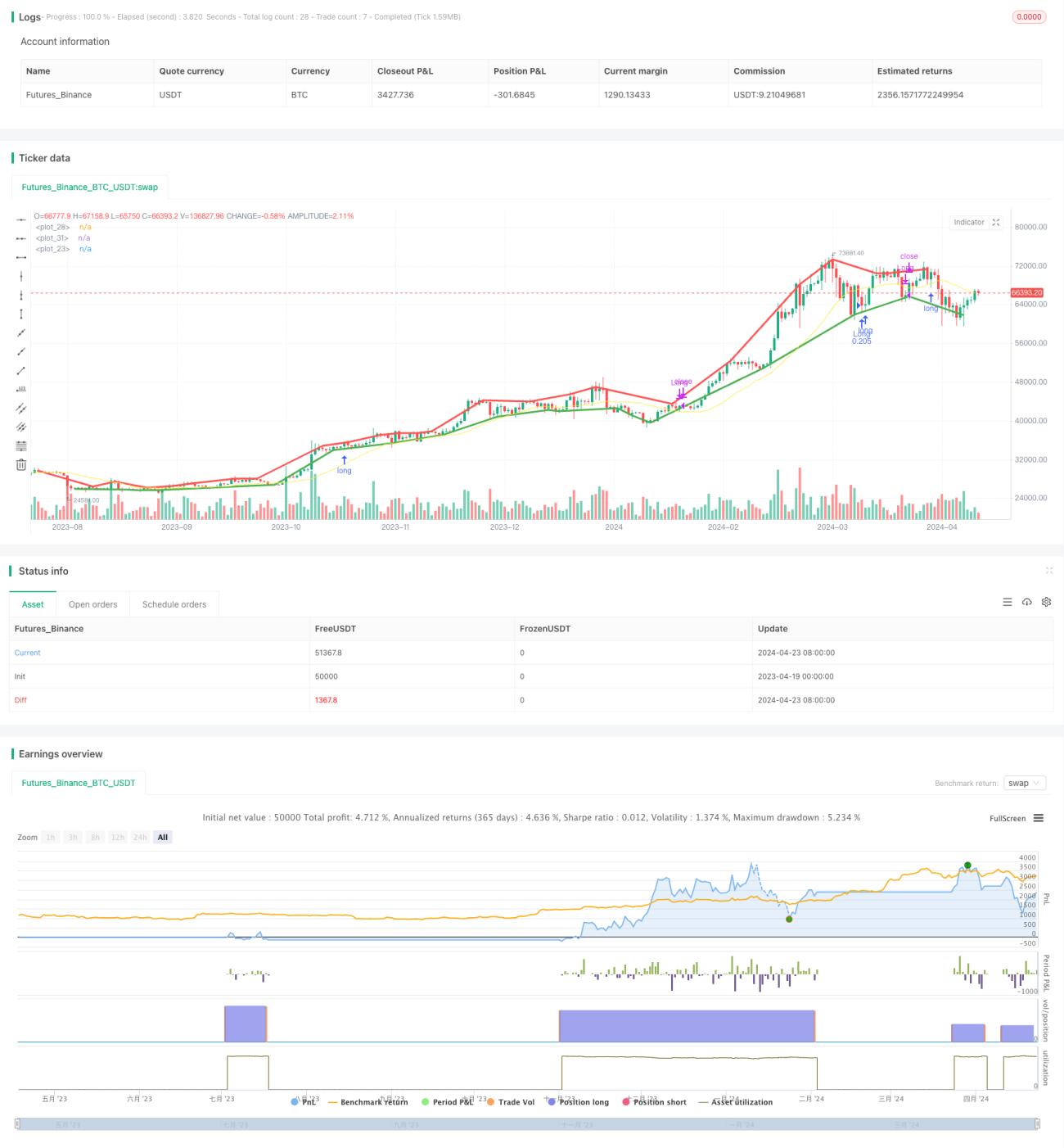
Esta estrategia es una estrategia de impulso de doble escala temporal. Utiliza una media móvil simple (SMA) en un marco de tiempo de alto nivel para determinar la dirección de la tendencia, y puntos pivote (PivotLow y PivotHigh) en un marco de tiempo de bajo nivel para identificar puntos de reversión. Cuando el marco de tiempo de alto nivel muestra una tendencia alcista y el de bajo nivel presenta un punto pivote alcista, se abre una posición larga. Cuando el marco de tiempo de alto nivel muestra una tendencia bajista y el de bajo nivel presenta un punto pivote bajista, se abre una posición corta.
Principio de la estrategia
El principio principal de esta estrategia es que la dirección de la tendencia en el marco de tiempo de alto nivel influye en el comportamiento del marco de tiempo de bajo nivel. Cuando el marco de tiempo de alto-level presenta una tendencia alcista, los retrocesos en el marco de tiempo de bajo nivel son más probablemente oportunidades de compra; cuando el marco de tiempo de alto nivel presenta una tendencia bajista, los rebotes en el marco de tiempo de bajo nivel son más probablemente oportunidades de venta en corto. La estrategia utiliza la media móvil simple (SMA) para determinar la dirección de la tendencia en el marco de tiempo de alto nivel, y puntos pivote (PivotLow y PivotHigh) para identificar puntos de reversión en el marco de tiempo de bajo nivel.
Ventajas de la estrategia
- Análisis de doble escala temporal, aprovechando la influencia del marco de tiempo de alto nivel sobre el de bajo nivel, lo que aumenta la probabilidad de éxito de las operaciones.
- El uso de SMA para determinar la dirección de la tendencia es relativamente confiable, y el uso de puntos pivote para capturar puntos de reversión es bastante preciso.
- Parámetros ajustables, alta adaptabilidad. Los usuarios pueden ajustar las escalas temporales alta y baja, el período de la SMA, los parámetros de los puntos pivote, etc., según sus necesidades.
- Lógica clara, fácil de entender e implementar.
Riesgos de la estrategia
- Riesgo de cambio abrupto de tendencia. Si la tendencia en el marco de tiempo de alto nivel cambia repentinamente, el de bajo nivel puede no reaccionar a tiempo, provocando que la estrategia falle.
- Riesgo de configuración de parámetros. Una configuración inapropiada de parámetros puede llevar a un rendimiento deficiente de la estrategia. Por ejemplo, un período de SMA demasiado corto puede generar operaciones frecuentes, mientras que uno demasiado largo puede causar retrasos en la detección de la tendencia.
- Riesgo de condiciones extremas del mercado. En condiciones extremas (como subidas o bajadas bruscas), la estrategia puede fallar, ya que en tales situaciones el marco de tiempo de bajo nivel podría no seguir la tendencia del de alto nivel.
Direcciones de optimización de la estrategia
- Agregar juicio sobre cambios de tendencia. Se puede incorporar lógica para detectar si la tendencia del marco de tiempo de alto nivel está cambiando, con el fin de ajustar más rápido las operaciones en el marco de tiempo de bajo nivel.
- Optimizar la selección de parámetros. Se pueden utilizar métodos de optimización de parámetros (como algoritmos genéticos, búsqueda en malla, etc.) para encontrar la combinación óptima de parámetros.
- Agregar control de riesgos. Se pueden incorporar medidas de control de riesgos (como stop loss, gestión de posición, etc.) para reducir las pérdidas en condiciones extremas del mercado.
- Fusión de múltiples factores. Se puede considerar la integración de otros indicadores o factores (como volatilidad, volumen de operaciones, etc.) en la estrategia para mejorar su solidez.
Resumen
Esta estrategia de impulso de doble escala temporal aprovecha la relación entre los marcos de tiempo de alto y bajo nivel, determinando la dirección de la tendencia en el marco de tiempo de alto nivel y capturando puntos de reversión en el marco de tiempo de bajo nivel, logrando así un seguimiento de tendencia y trading de reversión. La estrategia tiene una lógica clara y ventajas evidentes, pero también conlleva ciertos riesgos. En el futuro, se puede optimizar en aspectos como el juicio de cambios de tendencia, la optimización de parámetros, el control de riesgos y la fusión de múltiples factores, para mejorar su adaptabilidad y solidez.
- 1