
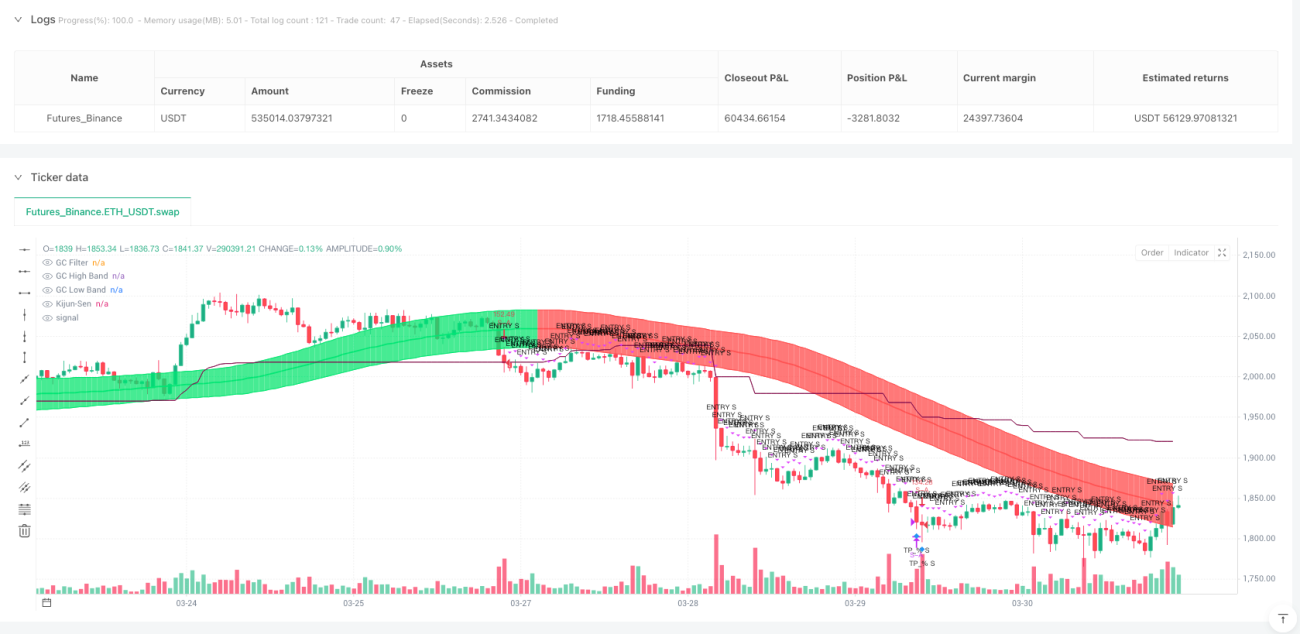
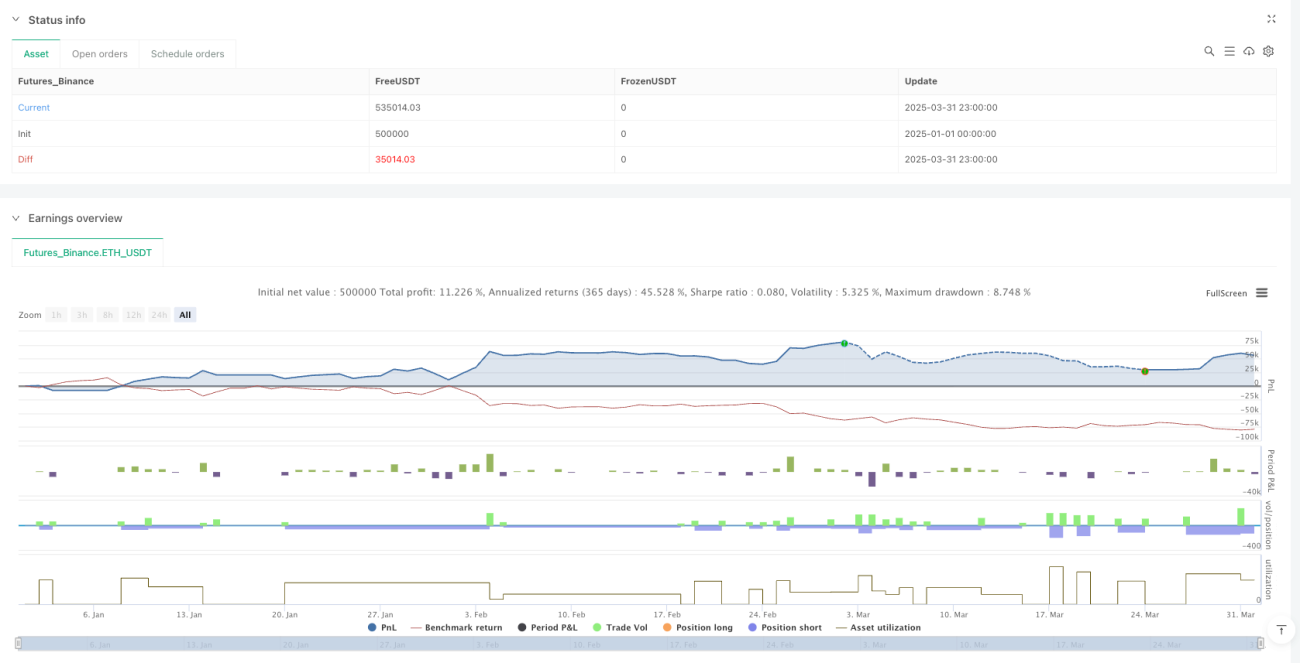
¿Por qué los indicadores técnicos tradicionales fallan en mercados complejos?
En el ámbito del trading cuantitativo, a menudo nos enfrentamos a un problema central: un solo indicador técnico genera fácilmente señales falsas en medio del ruido del mercado, lo que provoca frecuentes stop-loss y drawdowns. Entonces, ¿cómo construir un sistema de trading que pueda capturar tendencias y, al mismo tiempo, filtrar eficazmente el ruido?
La estrategia de filtrado múltiple con Canal Gaussiano que analizamos hoy, mediante la combinación inteligente de cuatro indicadores técnicos de diferentes dimensiones, nos ofrece una solución digna de un estudio en profundidad.
Arquitectura técnica central: ¿Cómo funciona el mecanismo de filtrado cuádruple?
1. Canal Gaussiano (Gaussian Channel) – Núcleo de identificación de tendencias
La base de la estrategia es un filtro gaussiano de 4º orden, con una ventana de muestreo de 144 períodos. A diferencia de las medias móviles tradicionales, el filtro gaussiano elimina la mayor parte del ruido del mercado mediante modelado matemático, manteniendo al mismo tiempo la sensibilidad a los cambios de precios.
Parámetros clave:
- Polos gaussianos: 4 (equilibrio entre rezago y suavizado)
- Período de muestreo: 144 (captura de tendencias de mediano plazo)
- Multiplicador de filtro: 1.414 (múltiplo de desviación estándar, controla el ancho del canal)
2. Línea Kijun-Sen (130 períodos) – Confirmación de tendencia de mediano-largo plazo
Aquí se utiliza la línea Kijun-Sen de 130 períodos como filtro de tendencia, en lugar de los tradicionales 26 períodos. ¿Qué significado tiene este ajuste?
Una configuración de período más largo permite:
- Reducir señales de ruptura falsas
- Asegurar que la dirección del trade esté alineada con la tendencia principal
- Mejorar la calidad de la señal y reducir la frecuencia de operaciones
3. Indicador VAPI – Análisis de precio y volumen
VAPI (Volume Adjusted Price Indicator) analiza la relación entre el volumen y los cambios de precio para determinar la intención real de los participantes del mercado. Cuando VAPI > 0, apoya posiciones largas; cuando < 0, apoya posiciones cortas.
4. Stop-loss dinámico con ATR – Mecanismo de control de riesgo
Se utiliza un stop-loss basado en 4.5 veces el ATR de 11 períodos. Esta configuración considera la volatilidad del mercado y evita que un stop-loss demasiado ajustado sea activado por el ruido del mercado.
Innovación en gestión de capital: La sabiduría de la estrategia de división 75/25
Lo más valioso de esta estrategia es su singular enfoque de gestión de capital:
Lógica de partición:
- 75% de la posición: take-profit fijo con relación riesgo/beneficio de 3.5x
- 25% de la posición: trailing stop dinámico
¿Por qué este diseño?
- Asegurar ganancias básicas: El take-profit fijo del 75% de la posición garantiza que la mayor parte del capital obtenga retornos estables.
- Capturar ganancias extraordinarias: El trailing stop del 25% de la posición permite obtener mayores beneficios cuando la tendencia se prolonga.
- Diversificación del riesgo: Diferentes mecanismos de salida reducen el riesgo de fallo de una única estrategia.
Sistema de control de riesgo: Mecanismos de protección en múltiples niveles
1. Control de riesgo en la entrada
- Riesgo por operación limitado al 3% del capital de la cuenta
- Cálculo dinámico del tamaño de posición basado en ATR
2. Gestión de riesgo en posición abierta
- Stop-loss principal: 4.5 veces el ATR
- Trailing stop: ajuste dinámico que asegura ganancias flotantes
- Take-profit adicional: protección con beneficio fijo del 10%
3. Mecanismo de filtrado de señales
Confirmación simultánea de cuatro indicadores técnicos, lo que reduce significativamente la probabilidad de señales falsas.
Análisis de ventajas y limitaciones de la estrategia
Ventajas clave:
- Alta calidad de señales: El mecanismo de filtrado múltiple mejora significativamente la fiabilidad de las señales de trading.
- Riesgo controlable: Sistema completo de stop-loss y gestión de posiciones.
- Alta adaptabilidad: El ATR se ajusta dinámicamente a diferentes entornos de volatilidad del mercado.
- Optimización de ganancias: La estrategia de partición equilibra ganancias estables y extraordinarias.
Limitaciones potenciales:
- Dependencia de la tendencia: Puede tener un rendimiento deficiente en mercados laterales.
- Sensibilidad a los parámetros: Múltiples parámetros requieren optimización según cada activo.
- Rezago: El filtrado múltiple puede provocar que las entradas se produzcan algo tarde.
Recomendaciones prácticas de aplicación
1. Selección de activos
Priorizar activos con fuerte tendencia, como pares de divisas principales, futuros de índices bursátiles, etc.
2. Optimización de parámetros
Se recomienda realizar backtesting con datos históricos del activo específico, prestando especial atención a:
- Período de muestreo del Canal Gaussiano
- Longitud del período de Kijun-Sen
- Múltiplo del stop-loss basado en ATR
3. Adaptación al entorno del mercado
En mercados laterales evidentes, se puede considerar pausar la estrategia o ajustar los parámetros.
Resumen: Pensamiento sistémico en el trading cuantitativo
El valor de esta estrategia no solo radica en su implementación técnica, sino también en el pensamiento sistémico que refleja:
- Validación multidimensional: Verificar señales de trading desde múltiples ángulos: tendencia, volumen, volatilidad, etc.
- Prioridad al riesgo: Un sistema completo de control de riesgo es la base de la estrategia.
- Optimización de ganancias: Equilibrar diferentes objetivos de rendimiento mediante la estrategia de partición.
Para los traders cuantitativos, esta estrategia proporciona un excelente marco de referencia. La clave no es copiar los parámetros, sino comprender su lógica de diseño y ajustarlos según el activo y el apetito de riesgo propios.
Recuerde: la mejor estrategia no es la más compleja, sino la que mejor se adapta a su estilo de trading y al entorno del mercado.
/*backtest
start: 2025-01-01 00:00:00
end: 2025-04-01 00:00:00
period: 1h
basePeriod: 1h
exchanges: [{"eid":"Futures_Binance","currency":"ETH_USDT","balance":500000}]
*/

// @version=6
strategy("Gaussian Channel Strategy – GC + Kijun (120) + VAPI Gate + ATR(4.5x) + 75/25 TP-TRAIL + Extra %TP",
     overlay=true)
- 1