Stratégie de trading par grille dynamique

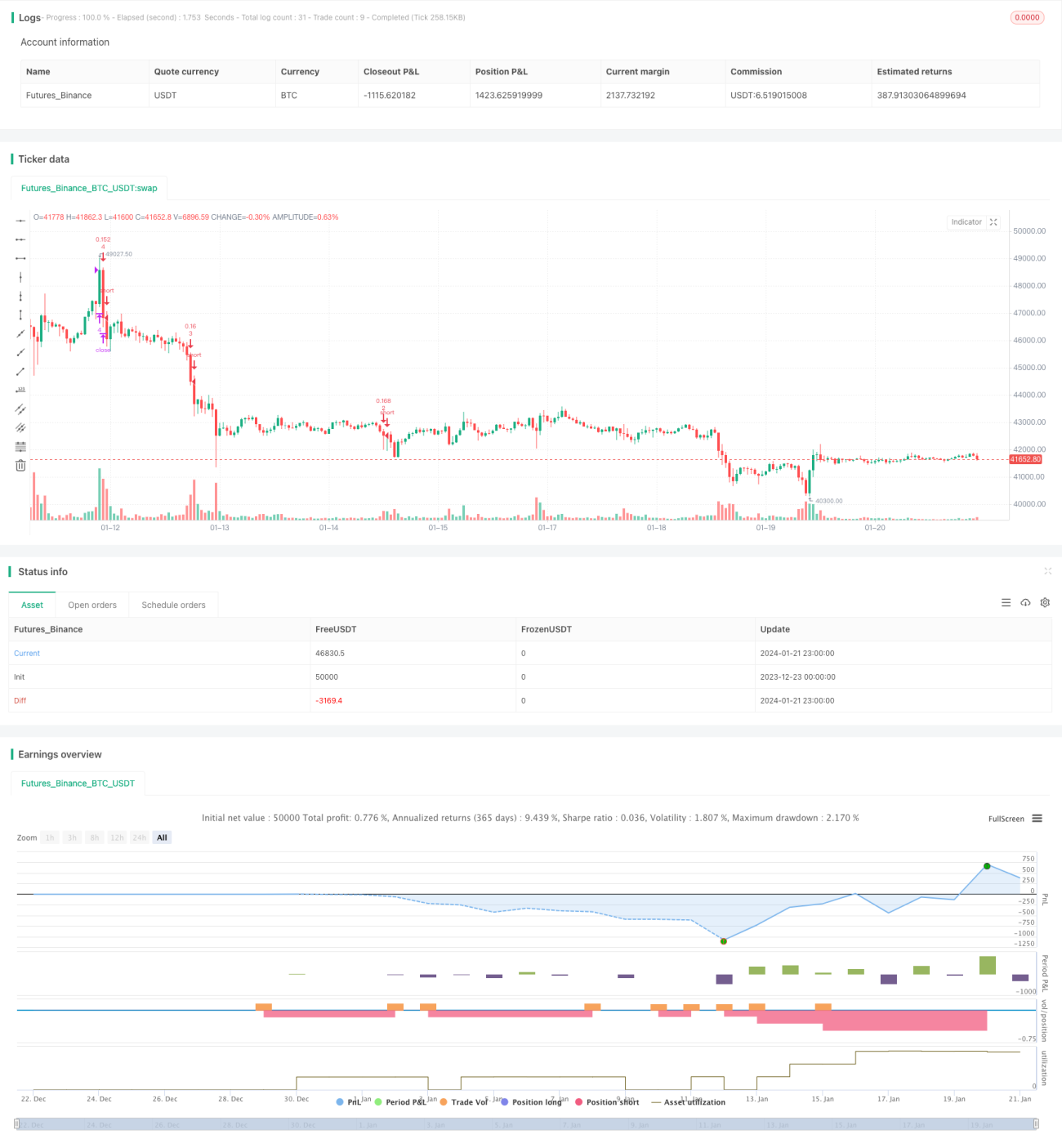
Aperçu
Cette stratégie réalise un trading en grille en plaçant plusieurs ordres d'achat et de vente parallèles au sein d'une fourchette de prix, et ajuste dynamiquement l'intervalle de la grille et ses lignes en fonction des fluctuations du marché pour générer des profits.
Principe de la stratégie
- Définir les limites supérieure et inférieure de la grille, soit manuellement, soit automatiquement en fonction des prix hauts et bas récents.
- Calculer la largeur de l'intervalle de la grille en fonction du nombre de lignes de grille défini.
- Générer un tableau de prix correspondant au nombre de lignes de grille.
- Lorsque le prix est inférieur à une ligne de grille, ouvrir une position longue en dessous de cette ligne ; lorsque le prix est supérieur à une ligne de grille, fermer une position courte au-dessus de cette ligne.
- Ajuster dynamiquement les limites supérieure et inférieure, la largeur de l'intervalle et les prix des lignes de grille pour s'adapter aux changements du marché.
Analyse des avantages
- Permet de réaliser des profits stables sur les marchés latéraux et volatils, sans être affecté par les tendances unidirectionnelles.
- Prend en charge à la fois le réglage manuel et le calcul automatique de l'intervalle de la grille, offrant une grande adaptabilité.
- Permet d'optimiser les rendements en ajustant le nombre de lignes de grille, la largeur de la grille et le volume des ordres.
- Intègre une gestion des positions intégrée pour contrôler les risques.
- Prend en charge l'ajustement dynamique de la plage de la grille, conférant à la stratégie une forte capacité d'adaptation.
Analyse des risques
- En cas de forte tendance directionnelle, des pertes importantes peuvent survenir.
- Un mauvais réglage du nombre de lignes de grille et de la taille des positions peut amplifier les risques.
- Le calcul automatique de l'intervalle de la grille peut échouer dans des conditions de marché extrêmes.
Solutions pour les risques :
- Optimiser les paramètres de la grille et contrôler strictement la taille totale des positions.
- Désactiver la stratégie avant l'arrivée d'un mouvement de marché important.
- Combiner avec des indicateurs de tendance pour évaluer les conditions du marché et, si nécessaire, désactiver la stratégie.
Axes d'optimisation
- Choisir le nombre optimal de lignes de grille en fonction des caractéristiques du marché et de la taille du capital.
- Tester différentes périodes pour optimiser les paramètres de calcul automatique de la grille.
- Optimiser le mode de calcul du volume des ordres afin d'obtenir des rendements plus stables.
- Combiner avec d'autres indicateurs pour détecter les mouvements de marché importants et définir des conditions de désactivation de la stratégie.
Résumé
Cette stratégie de trading en grille dynamique s'adapte aux changements du marché en ajustant dynamiquement les paramètres de l'intervalle de la grille, permettant ainsi de réaliser des profits sur les marchés latéraux et volatils. Par ailleurs, une gestion appropriée des positions permet de contrôler les risques. L'optimisation des paramètres de la grille et l'intégration d'indicateurs de tendance peuvent encore améliorer la stabilité de la stratégie.
/*backtest
start: 2023-12-23 00:00:00
end: 2024-01-22 00:00:00
period: 1h
basePeriod: 15m
exchanges: [{"eid":"Futures_Binance","currency":"BTC_USDT"}]
*/

//@version=4
strategy("sarasa srinivasa kumar", overlay=true, pyramiding=14, close_entries_rule="ANY", default_qty_type=strategy.cash, initial_capital=100.0, currency="USD", commission_type=strategy.commission.percent, commission_value=0.1)
i_autoBounds    = input(group="Grid Bounds", title="Use Auto Bounds?", defval=true, type=input.bool)                             // calculate upper and lower bound of the grid automatically? This will theorhetically be less profitable, but will certainly require less attention
i_boundSrc = input(group="Grid Bounds", title="(Auto) Bound Source", defval="Hi & Low", options=["Hi & Low", "Average"]) // should bounds of the auto grid be calculated from recent High & Low, or from a Simple Moving Average- 1