मोमेंटम दोहरी चल औसत क्रॉसओवर रणनीति

अवलोकन
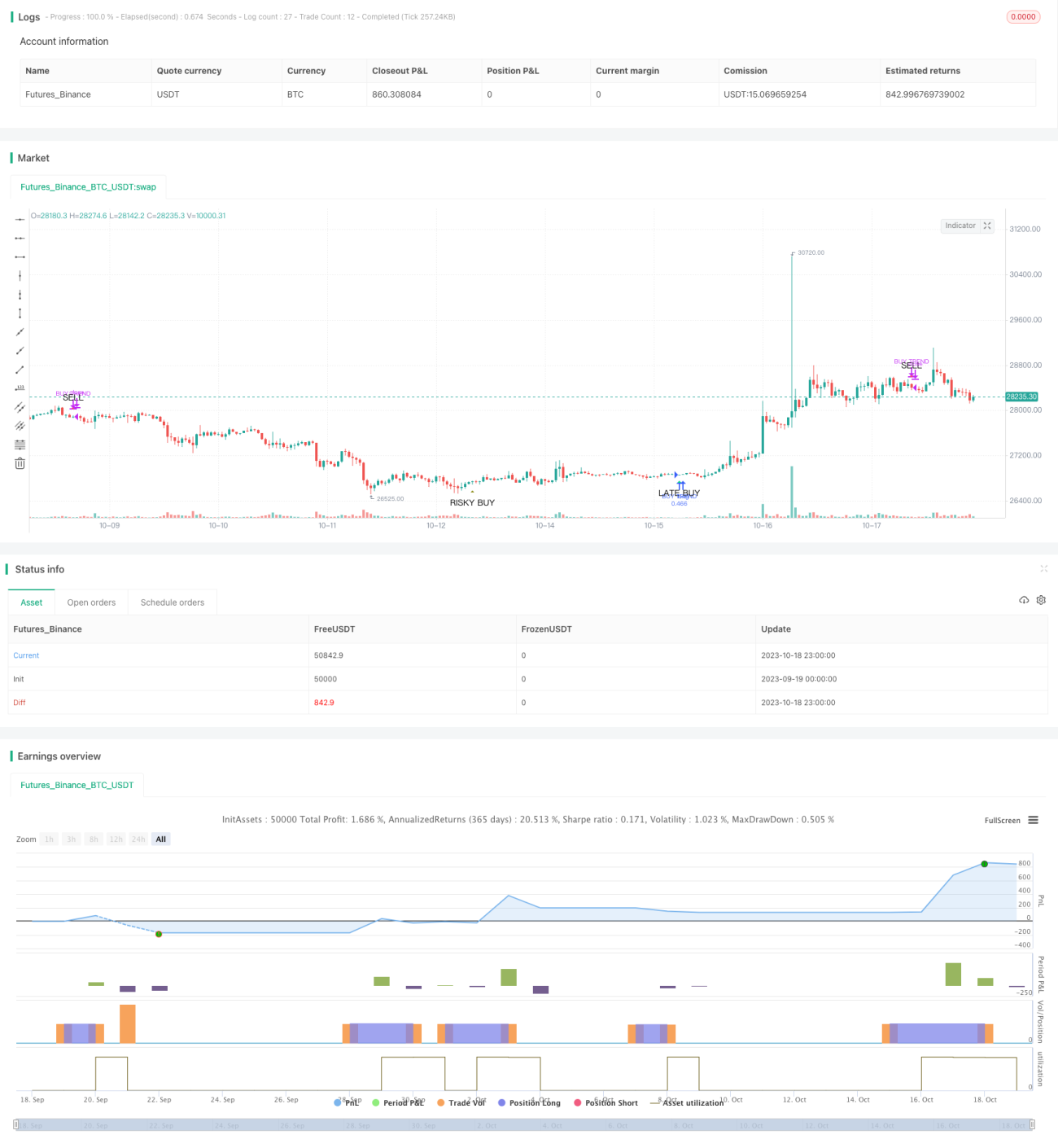
यह रणनीति मूल्य गति की दिशा निर्धारित करने के लिए मूविंग एवरेज क्रॉसओवर का उपयोग करती है, और समग्र प्रवृत्ति का आकलन करने के लिए गोल्डन क्रॉस और डेड क्रॉस का सहारा लेती है, जिससे प्रवृत्ति अनुसरण संभव होता है।
रणनीति का सिद्धांत
यह रणनीति मूल्य गति की दिशा जानने के लिए EMA और SMA दो मूविंग एवरेज के क्रॉसओवर का उपयोग करती है। EMA तेज़ प्रतिक्रिया देता है, जबकि SMA अधिक स्थिर रहता है। जब EMA, SMA को ऊपर से पार करता है, तो इसे मूल्य में तेज़ी के संकेत के रूप में लिया जाता है और लॉन्ग पोजीशन ली जाती है। जब EMA, SMA को नीचे से पार करता है, तो इसे मूल्य में गिरावट के संकेत के रूप में लिया जाता है और शॉर्ट पोजीशन ली जाती है।
इसके अलावा, रणनीति समग्र प्रवृत्ति की दिशा निर्धारित करने के लिए तेज़ अवधि वाले SMA और धीमी अवधि वाले SMA के क्रॉसओवर का उपयोग करती है। जब तेज़ SMA, धीमी SMA को ऊपर से पार करता है, तो इसे गोल्डन क्रॉस कहा जाता है और बाजार दीर्घकालिक ऊपर की ओर प्रवृत्ति में होता है। जब तेज़ SMA, धीमी SMA को नीचे से पार करता है, तो इसे डेड क्रॉस कहा जाता है और बाजार दीर्घकालिक गिरावट की प्रवृत्ति में होता है।
रणनीति तब लॉन्ग पोजीशन का अवसर मानती है जब EMA, SMA को ऊपर से पार करता है। यदि उस समय गोल्डन क्रॉस हो, तो इसका अर्थ है कि लॉन्ग जाने में न केवल अल्पकालिक गति का समर्थन है, बल्कि यह दीर्घकालिक प्रवृत्ति के अनुरूप भी है, जो एक बेहतर लॉन्ग अवसर है। यदि उस समय डेड क्रॉस हो, तो लॉन्ग जाने में केवल अल्पकालिक गति का समर्थन है, जो दीर्घकालिक प्रवृत्ति के विपरीत है, और यह एक जोखिम भरा लॉन्ग अवसर है।
लाभ विश्लेषण
- मूल्य गति और दिशा निर्धारित करने के लिए मूविंग एवरेज क्रॉसओवर का उपयोग
- अल्पकालिक गति और दीर्घकालिक प्रवृत्ति दोनों पर विचार
- दोहरे संकेतकों के संयोजन से पुष्टि, जिससे विश्वसनीयता अधिक होती है
- मूविंग एवरेज के मापदंडों को समायोजित करके विभिन्न अवधियों के अनुकूल बनाया जा सकता है
- वैकल्पिक रूप से विशिष्ट ट्रेडिंग संकेतों को प्रदर्शित करने का विकल्प, इंटरफ़ेस अनुकूलन योग्य
जोखिम विश्लेषण
- मूविंग एवरेज क्रॉसओवर में अंतराल (लैग) होता है, जिससे सर्वोत्तम खरीद/बिक्री बिंदु छूट सकते हैं
- निश्चित अवधि का SMA मूल्य परिवर्तनों को तुरंत प्रतिबिंबित नहीं कर सकता
- छोटी और लंबी अवधि के मूविंग एवरेज गलत क्रॉसओवर संकेत उत्पन्न कर सकते हैं
- लंबी अवधि तक पोजीशन होल्ड करने से पूंजी जोखिम बढ़ सकता है
अन्य संकेतकों के साथ पुष्टि, मूविंग एवरेज अवधि मापदंडों का अनुकूलन, या स्टॉप-लॉस सेट करके जोखिम को कम किया जा सकता है।
अनुकूलन दिशाएँ
- अन्य संकेतकों (जैसे वॉल्यूम, बोलिंगर बैंड आदि) को फ़िल्टर के रूप में जोड़ना
- स्टॉप-लॉस रणनीति जोड़ना
- मूविंग एवरेज अवधि मापदंडों का अनुकूलन
- पूंजी प्रबंधन का अनुकूलन
- पोजीशन अनुपात को वास्तविक समय में समायोजित करने पर विचार
सारांश
कुल मिलाकर यह रणनीति एक अपेक्षाकृत स्थिर और विश्वसनीय प्रवृत्ति अनुसरण रणनीति है। यह अल्पकालिक मूल्य गति और दीर्घकालिक प्रवृत्ति दिशा दोनों पर विचार करती है, और मूविंग एवरेज क्रॉसओवर के माध्यम से ट्रेडिंग संकेत उत्पन्न करती है। एकल मूविंग एवरेज रणनीति की तुलना में, यह दोहरे संकेतकों के साथ पुष्टि करती है, जिससे विश्वसनीयता अधिक होती है। हालांकि, एक प्रवृत्ति अनुसरण रणनीति होने के नाते, इसके पैरामीटर अनुकूलन और जोखिम नियंत्रण अत्यंत महत्वपूर्ण हैं। वास्तविक प्रभाव प्राप्त करने के लिए बार-बार परीक्षण और समायोजन आवश्यक है। निरंतर अनुकूलन और सुधार के माध्यम से, यह रणनीति एक दीर्घकालिक निवेश योग्य क्वांटिटेटिव पोर्टफोलियो का एक घटक बन सकती है।
- 1