दोहरी मूविंग एवरेज आर्बिट्राज रणनीति

अवलोकन
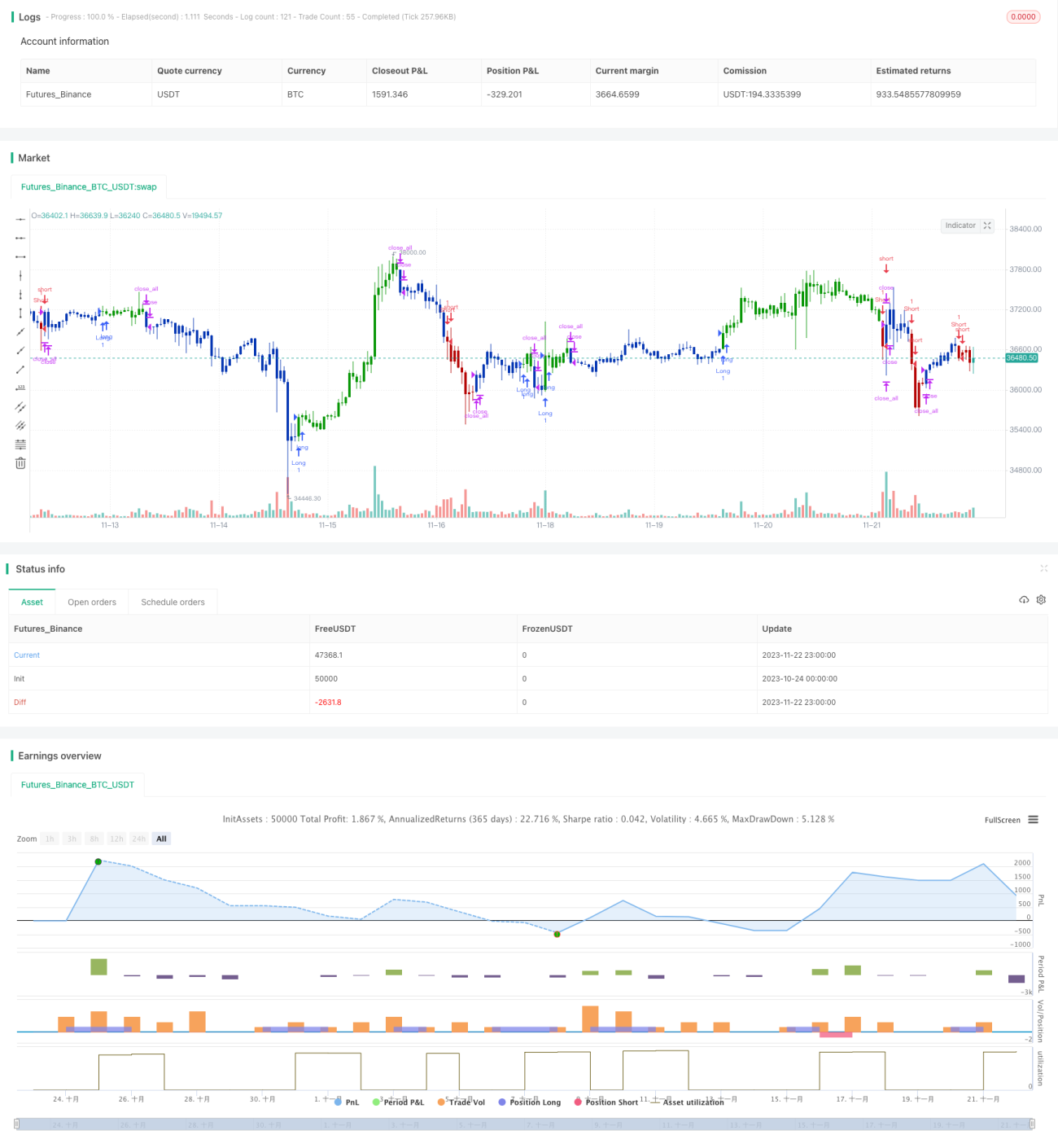
यह रणनीति दोहरी मूविंग एवरेज पैटर्न का उपयोग करके आर्बिट्रेज संचालन करने वाली एक रणनीति है। यह दो उप-रणनीतियों - 123 पैटर्न रिवर्सल और सीमित वॉल्यूम तत्व (FVE) को जोड़ती है। जब दोनों एक साथ खरीद या बेचने का संकेत देते हैं, तो आर्बिट्रेज संचालन किया जाता है।
रणनीति का सिद्धांत
123 पैटर्न रिवर्सल
यह उप-रणनीति उल्फ जेन्सेन की पुस्तक "हाउ आई ट्रिपल माई मनी इन द फ्यूचर्स मार्केट" से ली गई है। यह निम्नलिखित शर्तों पर संकेत देती है:
- जब क्लोजिंग प्राइस लगातार 2 दिनों तक बढ़ती है और 9-दिवसीय धीमी स्टोचैस्टिक 50 से नीचे होती है, तो लॉन्ग करें;
- जब क्लोजिंग प्राइस लगातार 2 दिनों तक गिरती है और 9-दिवसीय तेज़ स्टोचैस्टिक 50 से ऊपर होती है, तो शॉर्ट करें।
सीमित वॉल्यूम तत्व (FVE)
FVE एक विशुद्ध वॉल्यूम संकेतक है। यह मूल्य वृद्धि/गिरावट और वॉल्यूम के आकार के आधार पर यह निर्धारित करता है कि धन अंदर आ रहा है या बाहर जा रहा है।
जब पिछले दो बार के FVE संकेतक एक साथ बढ़ते या गिरते हैं, तो संकेत उत्पन्न होता है।
लाभ विश्लेषण
यह रणनीति बाजार की प्रवृत्ति और धन प्रवाह का निर्धारण करने के लिए दो संकेतकों को जोड़ती है, जिससे गलत संकेतों से प्रभावी रूप से बचा जा सकता है। साथ ही, दोनों उप-रणनीतियों में एक निश्चित रिवर्सल विशेषता होती है, इसलिए लाभ के लिए आर्बिट्रेज संचालन किया जा सकता है।
इसके अलावा, जब दोहरी मूविंग एवरेज पैटर्न उभरता है, तो यह अल्पकालिक और मध्यम अवधि की प्रवृत्ति के संरेखण को दर्शाता है, जो उच्च स्थिरता प्रदान करता है।
जोखिम विश्लेषण
यह रणनीति मूविंग एवरेज पैटर्न पर निर्भर करती है; जब बाजार में उतार-चढ़ाव होता है, तो गलत संकेतों के कारण हानि होने की संभावना रहती है। इसके अलावा, रिवर्सल विफलता एक सामान्य जोखिम है।
पैरामीटर को उचित रूप से समायोजित करके रणनीति को अधिक मजबूत बनाया जा सकता है, या जोखिम नियंत्रण के लिए स्टॉप-लॉस सेट किए जा सकते हैं।
अनुकूलन दिशाएँ
सर्वोत्तम मिलान खोजने के लिए और अधिक प्रकार के मूविंग एवरेज संकेतकों का परीक्षण किया जा सकता है। गलत संकेतों से बचने के लिए अन्य सहायक निर्णय संकेतक, जैसे सापेक्ष शक्ति सूचकांक (RSI), वोलैटिलिटी संकेतक आदि को भी शामिल किया जा सकता है।
इसके अतिरिक्त, यह अध्ययन किया जा सकता है कि बाजार की स्थिति के अनुसार मापदंडों को गतिशील रूप से कैसे समायोजित किया जाए, जिससे रणनीति अधिक अनुकूल हो सके। पैरामीटर स्व-अनुकूलन के लिए मशीन लर्निंग और न्यूरल नेटवर्क एल्गोरिदम का भी पता लगाया जा सकता है।
सारांश
यह दोहरी मूविंग एवरेज आर्बिट्रेज रणनीति निर्णय लेने के लिए दो रिवर्सल-आधारित संकेतकों को एकीकृत करती है, जो कुछ हद तक जोखिम से बचा सकती है। हालाँकि, मूविंग एवरेज पैटर्न पर निर्भरता के कारण, रणनीति को अधिक मजबूत बनाने के लिए और अधिक अनुकूलन की आवश्यकता है। कुल मिलाकर, यह रणनीति अल्पकालिक आर्बिट्रेज ट्रेडिंग के लिए एक बुनियादी ढांचा प्रदान करती है, जो आगे के अध्ययन के योग्य है।
/*backtest
start: 2023-10-24 00:00:00
end: 2023-11-23 00:00:00
period: 1h
basePeriod: 15m
exchanges: [{"eid":"Futures_Binance","currency":"BTC_USDT"}]
*/

//@version=4
////////////////////////////////////////////////////////////
//  Copyright by HPotter v1.0 25/08/2020
// This is combo strategies for get a cumulative signal. - 1