SMA उतार-चढ़ाव विचलन ट्रेडिंग रणनीति

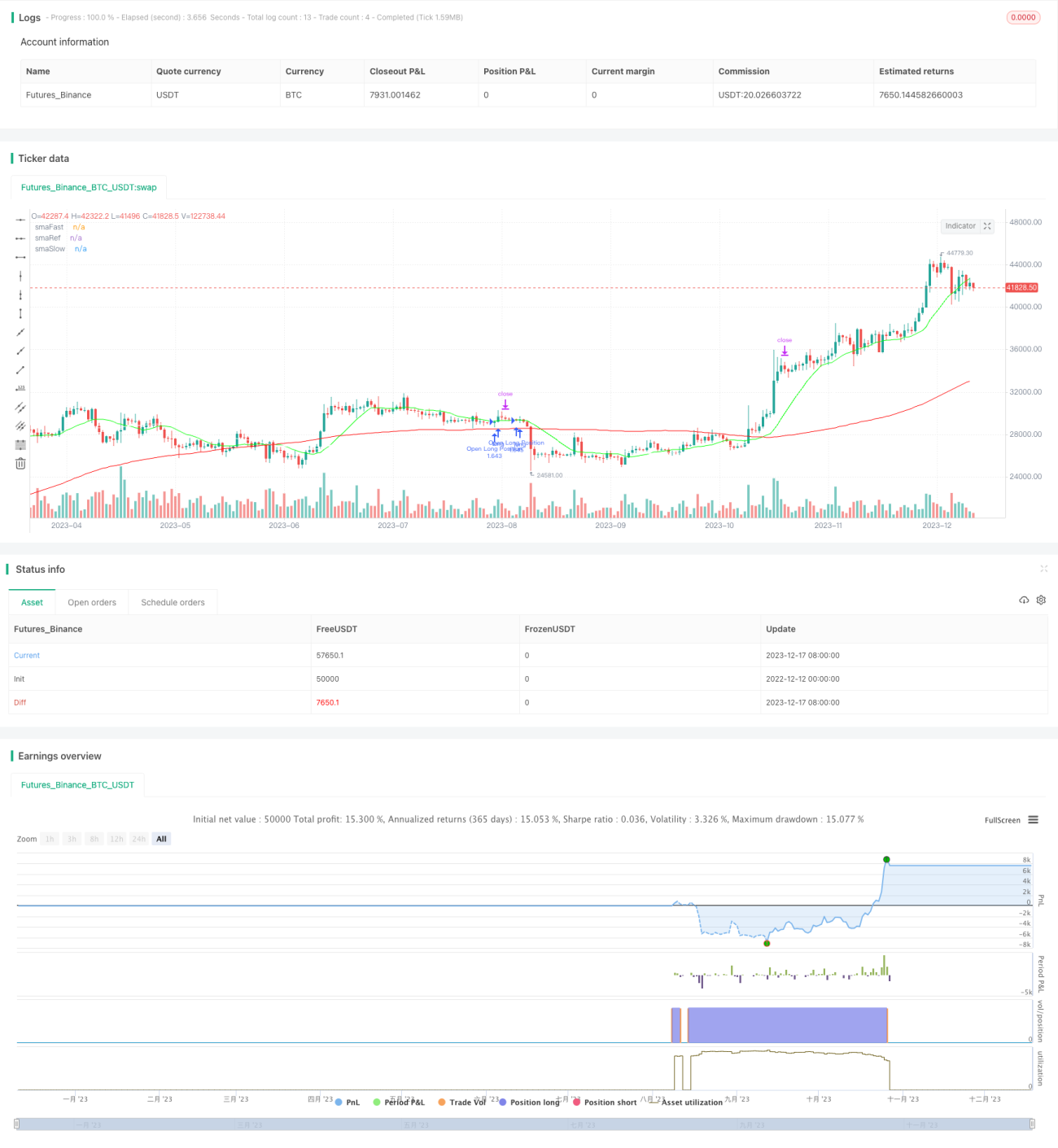
SMA उतार-चढ़ाव ऑफ़सेट ट्रेडिंग रणनीति
रणनीति का अवलोकन
यह रणनीति खरीद/बिक्री बिंदुओं को निर्धारित करने के लिए सरल मूविंग एवरेज और कुछ गणितीय गणनाओं का उपयोग करती है। हम 100-दिवसीय SMA को आधार रेखा के रूप में उपयोग करते हैं। यदि क्लोज़िंग प्राइस इस रेखा से नीचे है, तो हम इसके नीचे होने की डिग्री के आधार पर प्रवेश बिंदु चुनते हैं। यह मान (निम्न ऑफ़सेट) एक कॉन्फ़िगरेबल प्रतिशत है। पोजीशन बंद करने के लिए, यदि क्लोज़िंग प्राइस हमारे 100-दिवसीय SMA से ऊपर है, तो हम यह निर्धारित करते हैं कि पिछले ऑफ़सेट को कब बेचना है। यदि हम बहुत जल्दी बेचने का प्रयास करते हैं (मूल्य अभी भी बढ़ रहा है), तो ट्रेलिंग स्टॉप सक्रिय हो जाता है।
रणनीति का सिद्धांत
यह रणनीति तीन SMA रेखाओं का उपयोग करती है: तेज़ रेखा (डिफ़ॉल्ट 14 दिन), धीमी रेखा (डिफ़ॉल्ट 100 दिन) और संदर्भ रेखा (डिफ़ॉल्ट 30 दिन)।
जब क्लोज़िंग प्राइस संदर्भ रेखा से नीचे होता है, और धीमी रेखा के सापेक्ष निम्न ऑफ़सेट कॉन्फ़िगर किए गए निम्न ऑफ़सेट से अधिक होता है, और तेज़ रेखा बढ़ रही है जबकि धीमी रेखा घट रही है, तो लॉन्ग एंट्री होती है। जब ये शर्तें पूरी होती हैं, तो तेज़ और धीमी रेखाओं के बीच क्रॉसओवर होने की अत्यधिक संभावना होती है, इसलिए यह एक अच्छा प्रवेश बिंदु है।
जब क्लोज़िंग प्राइस संदर्भ रेखा से ऊपर होता है, और धीमी रेखा के सापेक्ष उच्च ऑफ़सेट कॉन्फ़िगर किए गए उच्च ऑफ़सेट से अधिक होता है, और क्लोज़िंग प्राइस लगातार 3 कैंडल्स से ऊपर होता है, लाभ प्राप्त हो चुका होता है, और तेज़ रेखा धीमी रेखा से ऊपर होती है, तो लॉन्ग पोजीशन बंद की जाती है। यदि मूल्य और अधिक बढ़ता है, तो ट्रेलिंग स्टॉप सक्रिय हो जाता है।
प्रत्येक ट्रेड में पोजीशन इक्विटी के एक निश्चित प्रतिशत के अनुसार प्रवेश करती है, जिससे पोजीशन को नियंत्रित किया जाता है।
रणनीति के लाभ
- SMA का लाभ उठाना, अर्थात मूल्य वक्र को चिकना करना और बाजार के शोर को फ़िल्टर करना।
- SMA क्रॉसओवर में प्रवृत्ति की भविष्यवाणी करने की कुछ क्षमता होती है।
- SMA रेखा के सापेक्ष ऑफ़सेट सेट करने से फ़ॉल्स ब्रेकआउट से बचा जा सकता है।
- प्रवृत्ति और क्रॉसओवर संकेतकों का संयोजन निर्णय लेने की सटीकता बढ़ाता है।
- ट्रेलिंग स्टॉप का उपयोग करके लाभ को लॉक किया जाता है और ड्रॉडाउन से बचा जाता है।
रणनीति के जोखिम विश्लेषण
- SMA स्वयं में एक लैगिंग इंडिकेटर है, जो मूल्य में बदलाव के बिंदुओं को मिस कर सकता है।
- ऑफ़सेट का अनुचित सेटिंग बहुत आक्रामक या बहुत सतर्क रुख अपना सकता है।
- ट्रेलिंग स्टॉप पैरामीटर के अनुचित सेटिंग से समय से पहले स्टॉप लॉस या बहुत बड़ा स्टॉप लॉस हो सकता है।
- अत्यधिक मूल्य अस्थिरता वाले बाजार से निपटने में असमर्थता।
संबंधित सुधार उपाय:
- प्रवेश को फ़िल्टर करने के लिए अन्य अग्रणी संकेतकों को शामिल करना।
- ऑफ़सेट का बार-बार परीक्षण और अनुकूलन करना।
- स्टॉप लॉस पैरामीटर का बार-बार बैकटेस्ट करके इष्टतम पैरामीटर खोजना।
- उच्च अस्थिरता के चरणों में पोजीशन कम करना।
रणनीति अनुकूलन दिशाएँ
- विभिन्न अवधियों के SMA का परीक्षण करके इष्टतम पैरामीटर ढूंढना।
- बाजार संरचना और प्रवृत्ति का आकलन करने के लिए अन्य संकेतक जोड़ना।
- अधिक लाभ लॉक करने के लिए ट्रेलिंग स्टॉप पैरामीटर को अनुकूलित करना।
- बाजार की अस्थिरता के अनुसार पोजीशन को समायोजित करना।
- विभिन्न उपकरणों पर एक साथ लागू करना और संयोजन करना।
निष्कर्ष
SMA उतार-चढ़ाव ऑफ़सेट ट्रेडिंग रणनीति विभिन्न SMA मूविंग एवरेज के संदर्भ में ऑफ़सेट सेट करके प्रवेश के लिए सर्वोत्तम समय खोजती है। साथ ही, निकास तंत्र में लाभ को लॉक करने के लिए ट्रेलिंग स्टॉप शामिल है। यह रणनीति सरल, समझने में आसान और लागू करने में आसान है। SMA पैरामीटर, ऑफ़सेट सेटिंग और स्टॉप लॉस स्तरों को अनुकूलित करके बेहतर परिणाम प्राप्त किए जा सकते हैं। यह रणनीति मध्यम से दीर्घकालिक चक्रों के लिए उपयुक्त है, जो स्थिर लाभ चाहने वाले निवेशकों के लिए है।
/*backtest
start: 2022-12-12 00:00:00
end: 2023-12-18 00:00:00
period: 1d
basePeriod: 1h
exchanges: [{"eid":"Futures_Binance","currency":"BTC_USDT"}]
*/

// @version=4
// Author: Sonny Parlin (highschool dropout)
strategy(shorttitle="SMA+Strategy", title="SMA Offset Strategy",
overlay=true, currency=currency.USD,- 1