DMI और RSI पर आधारित ट्रेंड फॉलोइंग रणनीति

सारांश
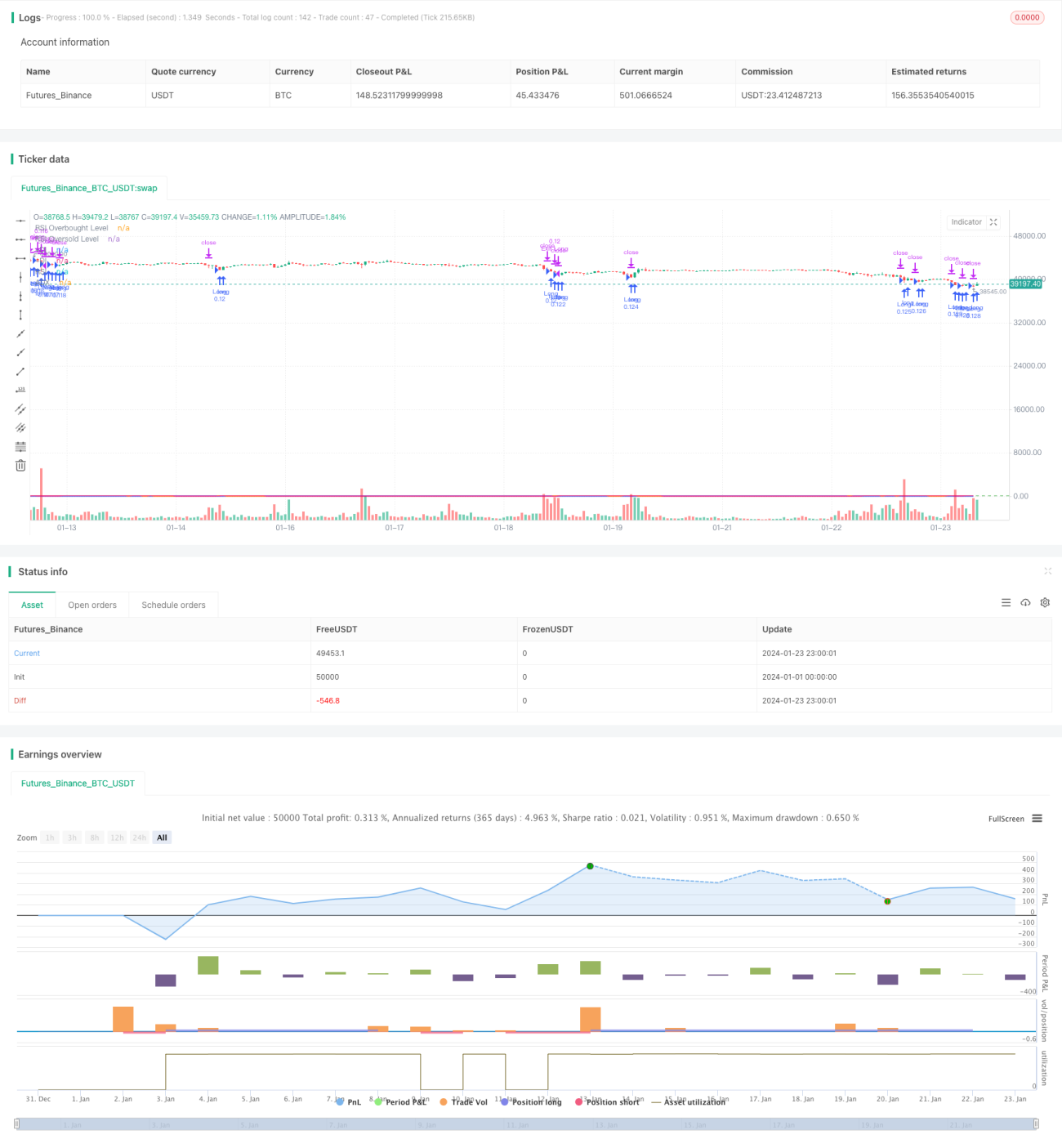
यह रणनीति DMI संकेतक द्वारा प्रवृत्ति दिशा और RSI संकेतक द्वारा अत्यधिक खरीद/बिक्री का निर्धारण करके एक अपेक्षाकृत पूर्ण प्रवृत्ति अनुसरण ट्रेडिंग रणनीति बनाती है। जब DMI संकेतक प्रवृत्ति दिखाता है और RSI संकेतक अत्यधिक खरीद या बिक्री दिखाता है, तो तदनुसार लॉन्ग या शॉर्ट किया जाता है। साथ ही लाभ को सुरक्षित करने के लिए चल स्टॉप-लॉस सेट किया जाता है।
रणनीति सिद्धांत
- DMI संकेतक का उपयोग प्रवृत्ति दिशा निर्धारित करने के लिए
- DMI तीन रेखाओं से बना होता है: +DI ऊपर की प्रवृत्ति को दर्शाता है, -DI नीचे की प्रवृत्ति को दर्शाता है, ADX प्रवृत्ति की ताकत का निर्णय करता है
- जब +DI > -DI होता है तो ऊपर की प्रवृत्ति होती है, लॉन्ग करें; जब -DI > +DI होता है तो नीचे की प्रवृत्ति होती है, शॉर्ट करें
- RSI संकेतक का उपयोग अत्यधिक खरीद/बिक्री निर्धारित करने के लिए
- RSI एक निर्धारित अवधि में औसत बंद भाव वृद्धि और कमी की तुलना करके अत्यधिक खरीद या बिक्री का निर्णय करता है
- RSI 30 से नीचे अत्यधिक बिक्री, 70 से ऊपर अत्यधिक खरीद दर्शाता है
- DMI द्वारा प्रवृत्ति दिशा और RSI द्वारा अत्यधिक खरीद/बिक्री के संयोजन से बाजार की लय को बेहतर ढंग से समझा जा सकता है
- जब DMI ऊपर की प्रवृत्ति दिखाता है और RSI अत्यधिक बिक्री दिखाता है, तो यह लॉन्ग करने का अच्छा समय होता है
- जब DMI नीचे की प्रवृत्ति दिखाता है और RSI अत्यधिक खरीद दिखाता है, तो यह शॉर्ट करने का अच्छा समय होता है
- लाभ को सुरक्षित करने के लिए चल स्टॉप-लॉस सेट करें
लाभ विश्लेषण
यह एक अपेक्षाकृत परिपक्व और स्थिर प्रवृत्ति अनुसरण रणनीति है, जिसके निम्नलिखित लाभ हैं:
- प्रवृत्ति निर्धारण और अत्यधिक खरीद/बिक्री निर्धारण का संयोजन, अस्थिर बाजार में बार-बार ट्रेडिंग से बचाता है
- लोकप्रिय संकेतक DMI और RSI का उपयोग, पैरामीटर चयन आसान, व्यावहारिक सत्यापन पर्याप्त
- लाभ को सुरक्षित करने के लिए चल स्टॉप-लॉस सेट करना, कुछ हद तक स्टॉप-लॉस से बचा जा सकता है
- नियम स्पष्ट और समझने में आसान, प्रोग्राम कार्यान्वयन सरल, अभ्यास में आसान
जोखिम विश्लेषण
इस रणनीति में कुछ जोखिम भी हैं जिन पर ध्यान देने की आवश्यकता है:
- DMI और RSI दोनों ही आसानी से झूठे संकेत उत्पन्न कर सकते हैं, जिससे अनावश्यक हानि हो सकती है
- चल स्टॉप-लॉस का अनुचित सेटिंग से समय से पहले स्टॉप-लॉस या बहुत बड़ा स्टॉप-लॉस हो सकता है
- अस्थिर बाजार को प्रभावी ढंग से फ़िल्टर नहीं कर पाता, फंसने का खतरा
- प्रवृत्ति अनुसरण रणनीति होने के कारण, प्रवृत्ति उलटने पर समय पर स्टॉप-लॉस नहीं कर पाती
सुधार दिशाएँ
इस रणनीति को निम्नलिखित पहलुओं से सुधारा जा सकता है:
- अस्थिर बाजार को फ़िल्टर करने के लिए वोलैटिलिटी संकेतक का उपयोग
- झूठे ब्रेकआउट से बचने के लिए कैंडल पैटर्न का निर्धारण
- महत्वपूर्ण समर्थन/प्रतिरोध स्तरों के पास उचित स्टॉप-लॉस सेट करके हानि को सीमित करना
- प्रवृत्ति निर्धारण के लिए मशीन लर्निंग मॉडल जोड़ना
- DMI और RSI के पैरामीटर को गतिशील रूप से अनुकूलित करना
सारांश
यह रणनीति समग्र रूप से एक अपेक्षाकृत स्थिर और व्यावहारिक प्रवृत्ति अनुसरण रणनीति है, जो DMI द्वारा प्रवृत्ति दिशा और RSI द्वारा अत्यधिक खरीद/बिक्री का निर्धारण करके मध्यम से दीर्घकालिक ट्रेडिंग अवसरों को पकड़ती है। साथ ही लाभ को सुरक्षित करने के लिए चल स्टॉप-लॉस सेट करती है। इस रणनीति में पैरामीटर चयन सरल, ट्रेडिंग नियम स्पष्ट और अभ्यास में आसान है। हालांकि, फंसने और समय पर स्टॉप-लॉस न कर पाने का जोखिम भी है। कुछ पैरामीटर और मॉडल अनुकूलन द्वारा इस रणनीति के परिणामों को बेहतर बनाया जा सकता है।
- 1