दो मूविंग एवरेज क्रॉसओवर पर आधारित मूविंग एवरेज रणनीति

अवलोकन
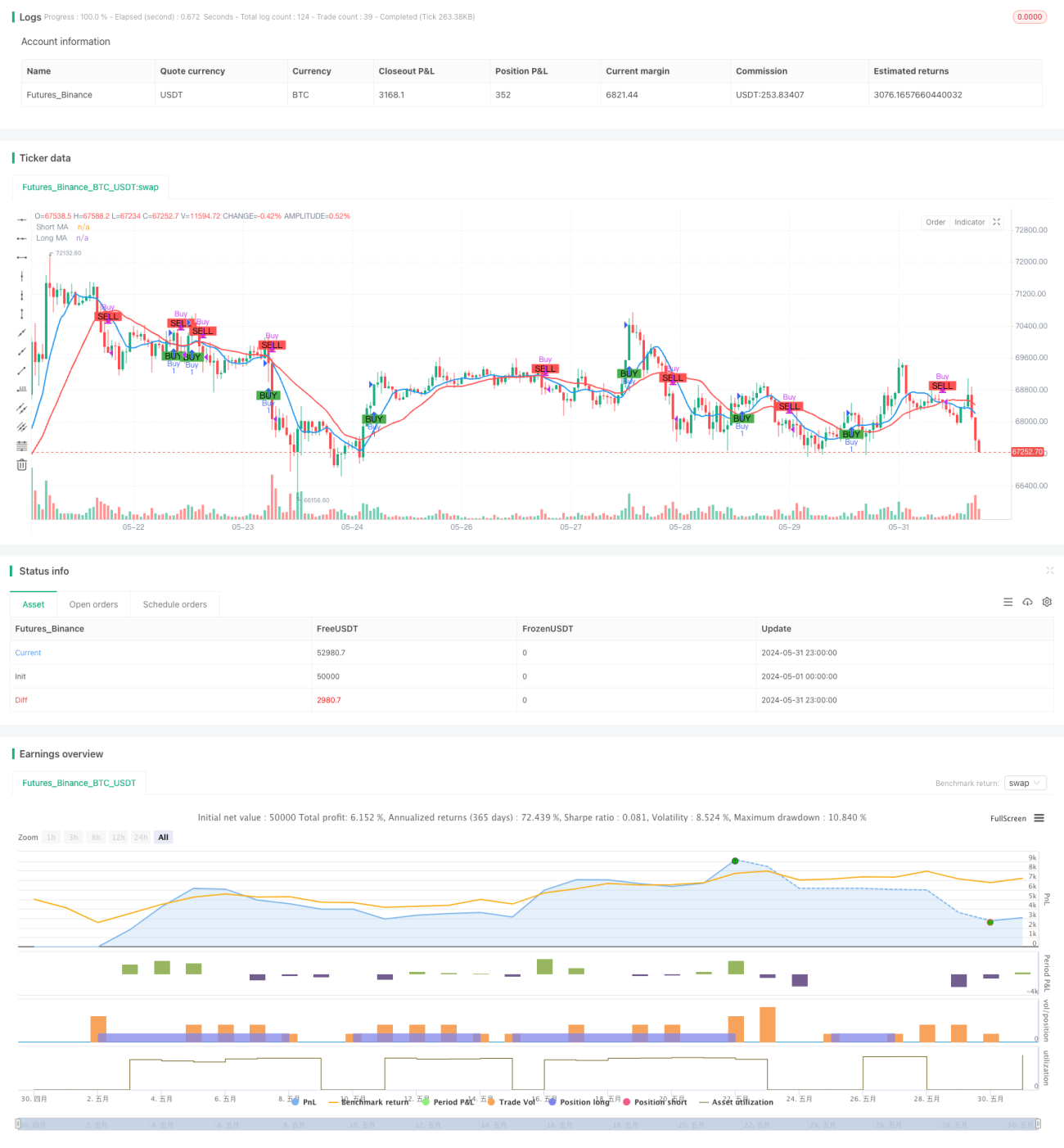
ड्यूल मूविंग एवरेज क्रॉसओवर पर आधारित मूविंग एवरेज रणनीति एक सरल और प्रभावी इंट्राडे ट्रेडिंग विधि है, जिसका उद्देश्य दो अलग-अलग अवधियों के मूविंग एवरेज के बीच संबंधों का विश्लेषण करके बाजार में संभावित खरीद और बिक्री के अवसरों की पहचान करना है। यह रणनीति एक अल्पकालिक सिंपल मूविंग एवरेज (SMA) और एक दीर्घकालिक सिंपल मूविंग एवरेज का उपयोग करती है। जब अल्पकालिक मूविंग एवरेज दीर्घकालिक मूविंग एवरेज को ऊपर से पार करता है, तो यह एक तेजी (बुलिश) संकेत दर्शाता है, जो संभावित खरीद अवसर का संकेत देता है। इसके विपरीत, जब अल्पकालिक मूविंग एवरेज दीर्घकालिक मूविंग एवरेज को नीचे से पार करता है, तो यह एक मंदी (बेयरिश) संकेत दर्शाता है, जो संभावित बिक्री अवसर का संकेत देता है। यह क्रॉसओवर विधि व्यापारियों को बाजार के शोर को कम करते हुए बाजार की प्रवृत्ति को पकड़ने में मदद करती है।
रणनीति सिद्धांत
इस रणनीति का मूल सिद्धांत विभिन्न अवधियों के मूविंग एवरेज की प्रवृत्ति विशेषताओं और लैग (पिछड़ने) का उपयोग करना है। अल्पकालिक और दीर्घकालिक मूविंग एवरेज के बीच सापेक्ष स्थिति की तुलना करके, यह वर्तमान बाजार की दिशा निर्धारित करता है और तदनुसार व्यापारिक निर्णय लेता है। जब बाजार में तेजी का रुझान उभरता है, तो कीमत पहले दीर्घकालिक मूविंग एवरेज को तोड़ती है, और फिर अल्पकालिक मूविंग एवरेज दीर्घकालिक मूविंग एवरेज को ऊपर से पार करके गोल्डन क्रॉस बनाता है, जिससे खरीद संकेत उत्पन्न होता है। जब बाजार में मंदी का रुझान उभरता है, तो कीमत पहले दीर्घकालिक मूविंग एवरेज से नीचे टूटती है, और फिर अल्पकालिक मूविंग एवरेज दीर्घकालिक मूविंग एवरेज को नीचे से पार करके डेथ क्रॉस बनाता है, जिससे बिक्री संकेत उत्पन्न होता है। इस रणनीति के पैरामीटर सेटिंग में, अल्पकालिक मूविंग एवरेज की अवधि 9 और दीर्घकालिक मूविंग एवरेज की अवधि 21 निर्धारित की गई है। इन दोनों मापदंडों को बाजार की विशेषताओं और व्यक्तिगत प्राथमिकताओं के अनुसार समायोजित किया जा सकता है। साथ ही, यह रणनीति प्रारंभिक पूंजी और प्रति ट्रेड जोखिम प्रतिशत निर्धारित करके, पोजीशन साइजिंग के माध्यम से प्रत्येक व्यापार के जोखिम जोखिम को नियंत्रित करने के लिए मनी मैनेजमेंट की अवधारणा भी प्रस्तुत करती है।
रणनीति लाभ
- सरल और समझने में आसान: यह रणनीति क्लासिक मूविंग एवरेज सिद्धांत पर आधारित है, तर्क स्पष्ट है, और इसे समझना और लागू करना आसान है।
- अनुकूलन क्षमता: यह रणनीति कई बाजारों और विभिन्न व्यापारिक उपकरणों पर लागू की जा सकती है। मापदंडों को समायोजित करके, इसे विभिन्न बाजार विशेषताओं के अनुसार लचीले ढंग से अनुकूलित किया जा सकता है।
- प्रवृत्ति को पकड़ना: दोहरी मूविंग एवरेज क्रॉसओवर के माध्यम से प्रवृत्ति दिशा का आकलन करने से व्यापारियों को मुख्य प्रवृत्ति का समय पर अनुसरण करने में मदद मिलती है, जिससे लाभ के अवसर बढ़ते हैं।
- जोखिम नियंत्रण: यह रणनीति जोखिम प्रबंधन की अवधारणा को शामिल करती है, पोजीशन साइजिंग के माध्यम से प्रत्येक व्यापार के जोखिम जोखिम को नियंत्रित करती है, जिससे संभावित नुकसान का प्रभावी ढंग से प्रबंधन होता है।
- शोर में कमी: मूविंग एवरेज की लैग (पिछड़ने) विशेषता का उपयोग करके, यह बाजार में यादृच्छिक शोर को प्रभावी ढंग से फ़िल्टर करता है, जिससे ट्रेडिंग सिग्नल की विश्वसनीयता बढ़ती है।
रणनीति जोखिम
- पैरामीटर चयन: विभिन्न पैरामीटर सेटिंग्स रणनीति के प्रदर्शन पर महत्वपूर्ण प्रभाव डालती हैं। अनुचित चयन से रणनीति विफल हो सकती है या खराब प्रदर्शन कर सकती है।
- बाजार प्रवृत्ति: साइडवेज़ (दिशाहीन) बाजार या प्रवृत्ति के मोड़ बिंदुओं पर, यह रणनीति लगातार नुकसान उठा सकती है।
- स्लिपेज लागत: बार-बार ट्रेडिंग से उच्च स्लिपेज लागत हो सकती है, जो रणनीति के समग्र लाभ को प्रभावित करती है।
- ब्लैक स्वान घटनाएँ: यह रणनीति चरम बाजार स्थितियों के लिए खराब अनुकूलन क्षमता रखती है; ब्लैक स्वान घटनाएँ रणनीति को भारी नुकसान पहुँचा सकती हैं।
- ओवरफिटिंग जोखिम: यदि पैरामीटर ऑप्टिमाइज़ेशन ऐतिहासिक डेटा पर अत्यधिक निर्भर है, तो वास्तविक ट्रेडिंग में रणनीति खराब प्रदर्शन कर सकती है।
रणनीति अनुकूलन दिशाएँ
- गतिशील पैरामीटर अनुकूलन: बाजार की स्थिति में बदलाव के अनुसार रणनीति के मापदंडों को गतिशील रूप से समायोजित करें, जिससे अनुकूलन क्षमता बढ़े।
- प्रवृत्ति पुष्टि: ट्रेडिंग सिग्नल उत्पन्न होने के बाद, प्रवृत्ति की पुष्टि करने के लिए अन्य संकेतकों या मूल्य व्यवहार पैटर्न का उपयोग करें, जिससे सिग्नल की विश्वसनीयता बढ़े।
- स्टॉप लॉस और टेक प्रॉफिट: उचित स्टॉप लॉस और टेक प्रॉफिट तंत्र शामिल करें, ताकि प्रति ट्रेड जोखिम जोखिम को और नियंत्रित किया जा सके।
- पोजीशन प्रबंधन: पोजीशन साइजिंग विधियों को अनुकूलित करें, उदाहरण के लिए वोलैटिलिटी इंडिकेटर शामिल करें और बाजार की अस्थिरता के स्तर के अनुसार पोजीशन को गतिशील रूप से समायोजित करें।
- लॉन्ग-शॉर्ट ताकत मूल्यांकन: तेजी और मंदी की ताकतों के बीच संबंध का आकलन करें, और प्रवृत्ति की शुरुआत में हस्तक्षेप करें, जिससे प्रवृत्ति को पकड़ने की सटीकता बढ़े।
निष्कर्ष
ड्यूल मूविंग एवरेज क्रॉसओवर पर आधारित मूविंग एवरेज रणनीति एक सरल और व्यावहारिक इंट्राडे ट्रेडिंग विधि है। विभिन्न अवधियों के मूविंग एवरेज की स्थिति संबंधों की तुलना करके, यह बाजार की प्रवृत्ति दिशा का आकलन करता है और ट्रेडिंग सिग्नल उत्पन्न करता है। यह रणनीति स्पष्ट तर्क, मजबूत अनुकूलन क्षमता रखती है, बाजार की प्रवृत्तियों को प्रभावी ढंग से पकड़ सकती है, और साथ ही संभावित नुकसान को नियंत्रित करने के लिए जोखिम प्रबंधन उपायों को शामिल करती है। हालांकि, इस रणनीति में पैरामीटर चयन, प्रवृत्ति के मोड़, बार-बार ट्रेडिंग आदि जैसे संभावित जोखिम भी हैं, जिन्हें गतिशील अनुकूलन, सिग्नल पुष्टि, पोजीशन प्रबंधन आदि के माध्यम से रणनीति की स्थिरता और लाभप्रदता को और बढ़ाने की आवश्यकता है। कुल मिलाकर, मूविंग एवरेज एक क्लासिक तकनीकी विश्लेषण संकेतक के रूप में, इसके मूल सिद्धांत और व्यावहारिक मूल्य को बाजार द्वारा व्यापक रूप से मान्य किया गया है, और यह गहन अध्ययन और निरंतर अनुकूलन के योग्य एक ट्रेडिंग रणनीति है।
रणनीति के लाभ
- सरलता: यह रणनीति क्लासिक मूविंग एवरेज सिद्धांत पर आधारित है, जिसका तर्क स्पष्ट है और इसे समझना तथा लागू करना आसान है।
- अनुकूलनशीलता: यह रणनीति कई बाजारों और विभिन्न ट्रेडिंग उपकरणों पर लागू की जा सकती है। पैरामीटर सेटिंग्स को समायोजित करके, यह विभिन्न बाजार विशेषताओं के अनुसार लचीले ढंग से अनुकूलित हो सकती है।
- प्रवृत्ति पकड़ना: दोहरे मूविंग एवरेज क्रॉसओवर का उपयोग करके प्रवृत्ति दिशा निर्धारित करने से व्यापारियों को समय पर मुख्यधारा की प्रवृत्ति का अनुसरण करने और लाभ के अवसर बढ़ाने में मदद मिलती है।
- जोखिम नियंत्रण: यह रणनीति जोखिम प्रबंधन की अवधारणा प्रस्तुत करती है, प्रत्येक ट्रेड के जोखिम जोखिम को नियंत्रित करने के लिए पोजीशन आकार का उपयोग करती है, जिससे संभावित नुकसान का प्रभावी प्रबंधन होता है।
- शोर में कमी: मूविंग एवरेज की विलंबता विशेषता का उपयोग करके, यह बाजार में यादृच्छिक शोर को प्रभावी ढंग से फ़िल्टर करता है, ट्रेडिंग सिग्नल की विश्वसनीयता में सुधार करता है।
रणनीति जोखिम
- पैरामीटर चयन: विभिन्न पैरामीटर सेटिंग्स का रणनीति प्रदर्शन पर महत्वपूर्ण प्रभाव पड़ सकता है। अनुचित चयन से रणनीति विफल या खराब प्रदर्शन हो सकता है।
- बाजार प्रवृत्ति: रेंजिंग बाजारों या प्रवृत्ति मोड़ बिंदुओं में, इस रणनीति को लगातार नुकसान उठाना पड़ सकता है।
- स्लिपेज लागत: लगातार ट्रेडिंग से उच्च स्लिपेज लागत हो सकती है, जो रणनीति की समग्र लाभप्रदता को प्रभावित करती है।
- ब्लैक स्वान घटनाएं: यह रणनीति चरम बाजार स्थितियों के लिए खराब अनुकूलनशीलता रखती है, और ब्लैक स्वान घटनाएं रणनीति को महत्वपूर्ण नुकसान पहुंचा सकती हैं।
- ओवरफिटिंग जोखिम: यदि पैरामीटर अनुकूलन ऐतिहासिक डेटा पर अत्यधिक निर्भर करता है, तो यह रणनीति के वास्तविक ट्रेडिंग में खराब प्रदर्शन का कारण बन सकता है।
रणनीति अनुकूलन दिशाएं
- गतिशील पैरामीटर अनुकूलन: बाजार की स्थितियों में बदलाव के अनुसार रणनीति मापदंडों को गतिशील रूप से समायोजित करें, अनुकूलनशीलता में सुधार करें।
- प्रवृत्ति पुष्टि: ट्रेडिंग सिग्नल उत्पन्न होने के बाद, प्रवृत्ति की पुष्टि के लिए अन्य संकेतकों या मूल्य व्यवहार पैटर्न को शामिल करें, सिग्नल विश्वसनीयता में सुधार करें।
- स्टॉप-लॉस और टेक-प्रॉफिट: उचित स्टॉप-लॉस और टेक-प्रॉफिट तंत्र शुरू करें, प्रत्येक ट्रेड के जोखिम को और नियंत्रित करें।
- पोजीशन प्रबंधन: पोजीशन आकार निर्धारण विधि को अनुकूलित करें, जैसे बाजार की अस्थिरता स्तरों के अनुसार पोजीशन को गतिशील रूप से समायोजित करने के लिए अस्थिरता संकेतक शामिल करना।
- लॉन्ग-शॉर्ट शक्ति मूल्यांकन: तेजी और मंदी की ताकतों के बीच तुलनात्मक संबंध का आकलन करें, प्रवृत्ति के प्रारंभिक चरण में प्रवेश करें ताकि प्रवृत्ति पकड़ने की सटीकता में सुधार हो।
सारांश
दोहरे मूविंग एवरेज पर आधारित मूविंग एवरेज क्रॉसओवर रणनीति एक सरल और व्यावहारिक इंट्राडे ट्रेडिंग विधि है। विभिन्न अवधियों के मूविंग एवरेज की स्थिति संबंध की तुलना करके, यह बाजार प्रवृत्ति दिशा निर्धारित करती है और ट्रेडिंग सिग्नल उत्पन्न करती है। इस रणनीति का तर्क स्पष्ट है, अनुकूलनशीलता मजबूत है, और यह बाजार प्रवृत्तियों को प्रभावी ढंग से पकड़ सकती है, साथ ही संभावित नुकसान को नियंत्रित करने के लिए जोखिम प्रबंधन उपायों को शामिल करती है। हालांकि, इस रणनीति में पैरामीटर चयन, प्रवृत्ति उलटाव, लगातार ट्रेडिंग आदि जैसे संभावित जोखिम भी हैं। रणनीति की मजबूती और लाभप्रदता बढ़ाने के लिए इसे गतिशील अनुकूलन, सिग्नल पुष्टि, पोजीशन प्रबंधन और अन्य विधियों के माध्यम से और बेहतर बनाने की आवश्यकता है। सामान्य तौर पर, एक क्लासिक तकनीकी विश्लेषण संकेतक के रूप में, मूविंग एवरेज के बुनियादी सिद्धांतों और व्यावहारिक अनुप्रयोग मूल्य को बाजार द्वारा व्यापक रूप से मान्य किया गया है। यह एक ट्रेडिंग रणनीति है जो गहन शोध और निरंतर अनुकूलन के योग्य है।
- 1