बुद्धिमान बहुआयामी अनुकूली प्रवृत्ति व्यापार प्रणाली

FVG RSI MACD VWAP EMA ATR supertrend
निर्माण तिथि: 2025-02-21 11:37:36 अंत में संशोधित करें: 2025-02-21 11:37:36
कॉपी: 0 क्लिक्स: 483
2
ध्यान केंद्रित करना
319
समर्थक

बुद्धिमान बहुआयामी अनुकूली प्रवृत्ति व्यापार प्रणाली बुद्धिमान बहुआयामी अनुकूली प्रवृत्ति व्यापार प्रणाली
अवलोकन

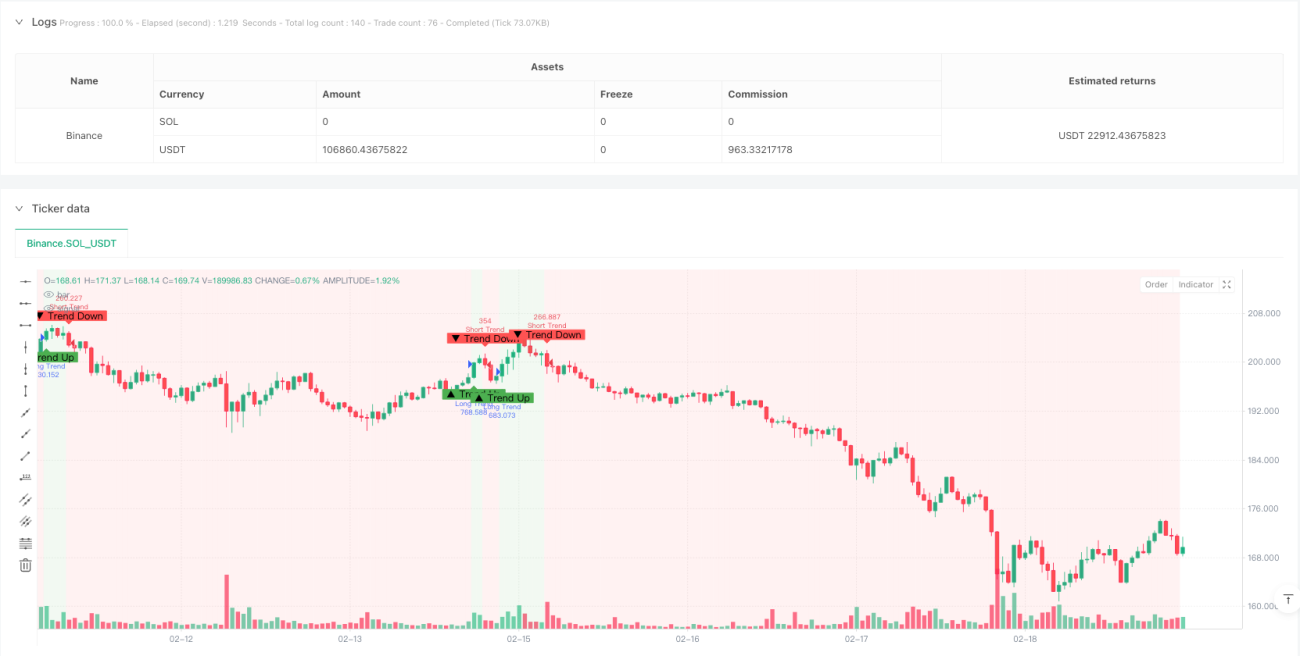
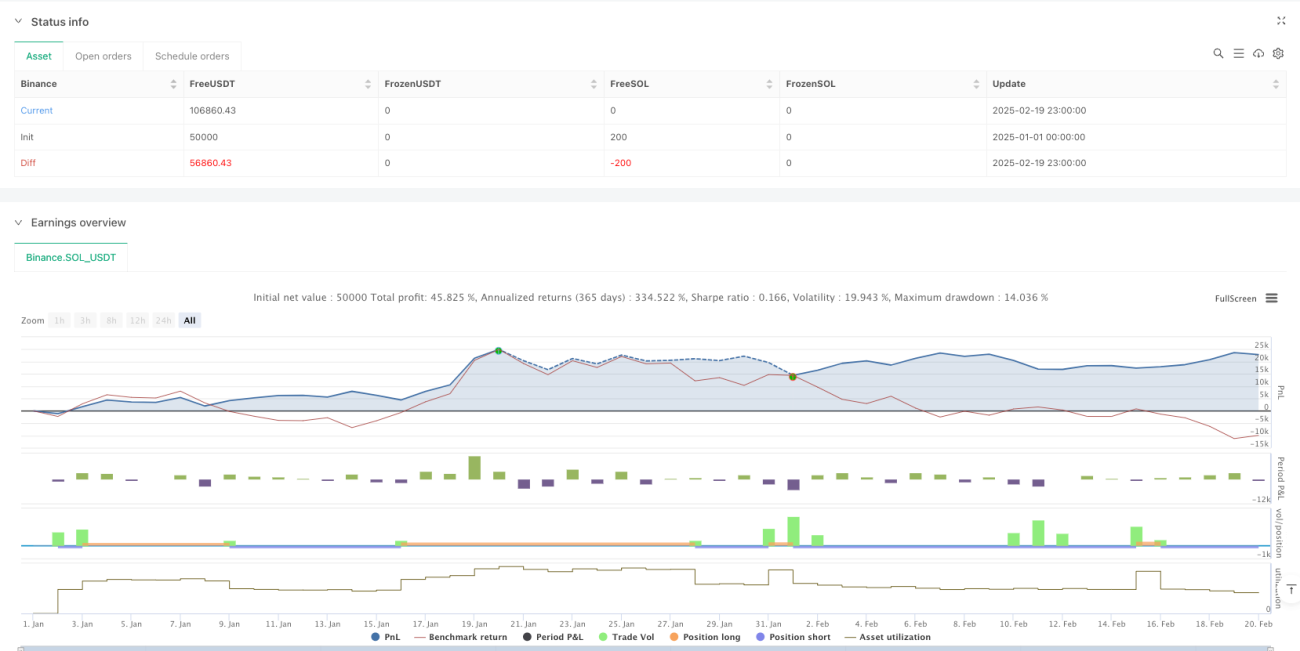
यह रणनीति एक स्मार्ट ट्रेडिंग सिस्टम है जिसमें कई तकनीकी संकेतकों को एकीकृत किया गया है, जो कि बाजार के अवसरों की पहचान करने के लिए उचित मूल्य अंतर (एफवीजी), रुझान संकेतों और मूल्य व्यवहार के समग्र विश्लेषण के माध्यम से है। यह प्रणाली एक दोहरी रणनीति तंत्र का उपयोग करती है, जो गतिशील स्थिति प्रबंधन और बहु-आयामी बाहर निकलने के तंत्र के माध्यम से व्यापार प्रदर्शन को अनुकूलित करने के लिए रुझान ट्रैकिंग और बैंड ट्रेडिंग विशेषताओं को जोड़ती है। इस रणनीति में जोखिम नियंत्रण पर विशेष ध्यान दिया गया है, जो उतार-चढ़ाव फ़िल्टरिंग और ट्रेड वॉल्यूम की पुष्टि के माध्यम से सिग्नल की गुणवत्ता में सुधार करता है।

रणनीति सिद्धांत

इस रणनीति का मूल तर्क निम्नलिखित आयामों पर आधारित हैः

  1. FVG गैप पहचान - मूल्य कूद गैप के आकार की गणना करके संभावित व्यापारिक अवसरों की तलाश करें
  2. ट्रेंड कन्फर्मेशन सिस्टम - 200 दैनिक औसत, सुपरट्रेंड इंडिकेटर और एमएसीडी के साथ मिलकर बाजार की प्रवृत्ति की पुष्टि करता है
  3. स्मार्ट फंड पुष्टि - आरएसआई ओवरबॉय, ओवरसेलिंग, लेनदेन की असामान्यता और मूल्य व्यवहार पैटर्न का उपयोग करके ट्रेड ट्रिगर के रूप में
  4. डायनामिक पोजीशन मैनेजमेंट - एटीआर के आधार पर उतार-चढ़ाव के आधार पर पोजीशन आकार को समायोजित करने के लिए, जो जोखिम के उद्घाटन की एकरूपता सुनिश्चित करता है
  5. बहुस्तरीय निकास तंत्र - ट्रेड निकास को ट्रैक स्टॉप और लक्ष्य स्टॉप के संयोजन के साथ प्रबंधित करें

रणनीतिक लाभ

  1. अनुकूलनशील - रणनीति बाजार में उतार-चढ़ाव के आधार पर स्वचालित रूप से पैरामीटर और पदों को समायोजित कर सकती है
  2. बेहतर जोखिम नियंत्रण - एकाधिक फ़िल्टर और सख्त स्थिति प्रबंधन के माध्यम से जोखिम को नियंत्रित करना
  3. सिग्नल गुणवत्ता की विश्वसनीयता - बहुआयामी संकेतक की पुष्टि के माध्यम से ट्रेडिंग सिग्नल की सटीकता में सुधार
  4. लचीला व्यापार - रुझान और उतार-चढ़ाव के अवसरों को पकड़ना
  5. धन प्रबंधन विज्ञान - प्रतिशत जोखिम प्रबंधन का उपयोग करके धन के उपयोग की तर्कसंगतता सुनिश्चित करना

रणनीतिक जोखिम

  1. पैरामीटर संवेदनशीलता - कई पैरामीटर की सेटिंग्स रणनीति के प्रदर्शन को प्रभावित कर सकती हैं और निरंतर अनुकूलन की आवश्यकता होती है
  2. बाजार की स्थिति पर निर्भरता - कुछ बाजार स्थितियों में झूठे ब्रेकआउट संकेत हो सकते हैं
  3. स्लाइडिंग प्रभाव - कम तरलता वाले बाजारों में बड़े स्लाइडिंग का सामना करना पड़ सकता है
  4. कंप्यूटिंग जटिलता - कई संकेतकों की गणना से सिग्नल में देरी हो सकती है
  5. उच्च पूंजी की आवश्यकता - पूर्ण कार्यान्वयन रणनीति के लिए उच्च प्रारंभिक पूंजी की आवश्यकता होती है

रणनीति अनुकूलन दिशा

  1. सूचक भार अनुकूलन - मशीन सीखने के तरीकों को पेश किया जा सकता है जो प्रत्येक सूचक के वजन को गतिशील रूप से समायोजित करता है
  2. बढ़ी हुई बाजार अनुकूलन क्षमता - बाजार में उतार-चढ़ाव को बढ़ाने के लिए अनुकूलन तंत्र
  3. सिग्नल फ़िल्टरिंग में सुधार - अधिक बाजार सूक्ष्म-संरचना सूचकांकों की शुरूआत
  4. निष्पादन तंत्र का अनुकूलन - स्मार्ट ऑर्डर विभाजन तंत्र को जोड़ना और लागत को कम करना
  5. जोखिम नियंत्रण उन्नयन - गतिशील जोखिम बजट प्रबंधन प्रणाली में वृद्धि

संक्षेप

यह रणनीति कई तकनीकी संकेतकों और ट्रेडिंग तकनीकों के एकीकृत उपयोग के माध्यम से एक पूर्ण ट्रेडिंग प्रणाली का निर्माण करती है। इसका लाभ बाजार में बदलाव के लिए अनुकूलन करने में सक्षम है, जबकि सख्त जोखिम नियंत्रण बनाए रखा गया है। हालांकि कुछ अनुकूलन के लिए जगह है, यह कुल मिलाकर एक उचित रूप से डिज़ाइन की गई मात्रात्मक ट्रेडिंग रणनीति है।

रणनीति स्रोत कोड
/*backtest
start: 2025-01-01 00:00:00
end: 2025-02-20 00:00:00
period: 1h
basePeriod: 1h
exchanges: [{"eid":"Binance","currency":"SOL_USDT"}]
*/

//@version=6
strategy("Adaptive Trend Signals", overlay=true, margin_long=100, margin_short=100, pyramiding=1, initial_capital=50000, default_qty_type=strategy.percent_of_equity, default_qty_value=100, commission_type=strategy.commission.percent, commission_value=0.075)

// 1. Enhanced Inputs with Debugging Options

fvgSize = input.float(0.25, "FVG Size (%)", minval=0.1, step=0.05)
atrPeriod = input.int(14, "ATR Period")  // Increased for better stability
rsiPeriod = input.int(7, "RSI Period")
useSuperTrend = input.bool(true, "Use SuperTrend Filter")
useTrendFilter = input.bool(false, "Use 200 EMA Trend Filter")  // Disabled by default
volatilityThreshold = input.float(1.0, "Volatility Threshold (ATR%)", step=0.1)  // Increased threshold
useVolume = input.bool(true, "Use Volume Confirmation")
riskPercentage = input.float(2.0, "Risk %", minval=0.1, maxval=5)

// 2. Advanced Market Filters with Trend Change Detection
var int marketTrend = 0
var bool trendChanged = false
ema200 = ta.ema(close, 200)
prevMarketTrend = marketTrend
marketTrend := close > ema200 ? 1 : close < ema200 ? -1 : 0
trendChanged := marketTrend != prevMarketTrend

// 3. Enhanced FVG Detection with Adjusted Volume Requirements
bullishFVG = (low[1] > high[2] and (low[1] - high[2])/high[2]*100 >= fvgSize) or 
             (low > high[1] and (low - high[1])/high[1]*100 >= fvgSize)

bearishFVG = (high[1] < low[2] and (low[2] - high[1])/low[2]*100 >= fvgSize) or 
             (high < low[1] and (low[1] - high)/low[1]*100 >= fvgSize)

// 4. Smart Money Confirmation System with Signal Debugging
rsi = ta.rsi(close, rsiPeriod)
[macdLine, signalLine, _] = ta.macd(close, 5, 13, 5)
[supertrendLine, supertrendDir] = ta.supertrend(3, 10)

// Script 2 Indicators
[macdLine2, signalLine2, _] = ta.macd(close, 4, 11, 3)
[supertrendLine2, supertrendDir2] = ta.supertrend(3, 7)
vWAP = ta.vwap(close)
ema21 = ta.ema(close, 21)

// 5. Price Action Filters from Script 2
breakoutLong = close > ta.highest(high, 5) and (useVolume ? volume > ta.sma(volume, 10)*1.8 : true)
breakdownShort = close < ta.lowest(low, 5) and (useVolume ? volume > ta.sma(volume, 10)*1.8 : true)
bullishRejection = low < vWAP and close > (high + low)/2 and close > open
bearishRejection = high > vWAP and close < (high + low)/2 and close < open

// 6. Combined Entry Conditions
longBaseCond = (bullishFVG and rsi < 35 and macdLine > signalLine) or
              (bullishFVG and rsi < 38 and supertrendDir2 == 1) or
              (breakoutLong and macdLine2 > signalLine2) or
              (bullishRejection and close > ema21)

shortBaseCond = (bearishFVG and rsi > 65 and macdLine < signalLine) or
               (bearishFVG and rsi > 62 and supertrendDir2 == -1) or
               (breakdownShort and macdLine2 < signalLine2) or
               (bearishRejection and close < ema21)

longSignal = longBaseCond and (not useSuperTrend or supertrendDir == 1) and (not useTrendFilter or marketTrend == 1)

shortSignal = shortBaseCond and (not useSuperTrend or supertrendDir == -1) and (not useTrendFilter or marketTrend == -1)

// 7. Position Sizing with Minimum Quantity
var float longEntryPrice = na
var float shortEntryPrice = na
atr = ta.atr(atrPeriod)
positionSizeScript1 = math.max(strategy.equity * riskPercentage / 100 / (atr * 1.5), 1)
positionSizeScript2 = strategy.equity * riskPercentage / 100 / (atr * 2)

// 8. Dynamic Exit System with Dual Strategies
var float trailPrice = na
if longSignal or trendChanged and marketTrend == 1
    trailPrice := close
if shortSignal or trendChanged and marketTrend == -1
    trailPrice := close

trailOffset = atr * 0.75

// Script 1 Exit Logic
if strategy.position_size > 0
    trailPrice := math.max(trailPrice, close)
    strategy.exit("Long Exit", "Long", stop=trailPrice - trailOffset, trail_offset=trailOffset)
    
if strategy.position_size < 0
    trailPrice := math.min(trailPrice, close)
    strategy.exit("Short Exit", "Short", stop=trailPrice + trailOffset, trail_offset=trailOffset)

// Script 2 Exit Logic
longStop = close - atr * 1.2
shortStop = close + atr * 1.2
strategy.exit("Long Exit 2", "Long", stop=longStop, limit=na(longEntryPrice) ? na : longEntryPrice + (atr * 4), trail_points=not na(longEntryPrice) and close > longEntryPrice + atr ? atr * 3 : na, trail_offset=atr * 0.8)
strategy.exit("Short Exit 2", "Short", stop=shortStop, limit=na(shortEntryPrice) ? na : shortEntryPrice - (atr * 4), trail_points=not na(shortEntryPrice) and close < shortEntryPrice - atr ? atr * 3 : na, trail_offset=atr * 0.8)

// 9. Trend Change Signals and Visuals
// plot(supertrendLine, "SuperTrend", color=color.new(#2962FF, 0))
// plot(supertrendLine2, "SuperTrend 2", color=color.new(#FF00FF, 0))
// plot(ema200, "200 EMA", color=color.new(#FF6D00, 0))
// plot(ema21, "21 EMA", color=color.new(#00FFFF, 0))

bgcolor(marketTrend == 1 ? color.new(color.green, 90) : 
       marketTrend == -1 ? color.new(color.red, 90) : na)

plotshape(trendChanged and marketTrend == 1, "Bullish Trend", shape.labelup, 
         location.belowbar, color=color.green, text="▲ Trend Up")
plotshape(trendChanged and marketTrend == -1, "Bearish Trend", shape.labeldown, 
         location.abovebar, color=color.red, text="▼ Trend Down")

// 10. Signal Visualization for Both Strategies
// plotshape(longSignal, "Long Entry", shape.triangleup, location.belowbar, 
//          color=color.new(#00FF00, 0), size=size.small)
// plotshape(shortSignal, "Short Entry", shape.triangledown, location.abovebar, 
//          color=color.new(#FF0000, 0), size=size.small)
// plotshape(breakoutLong, "Breakout Long", shape.flag, location.belowbar, 
//          color=color.new(#00FF00, 50), size=size.small)
// plotshape(breakdownShort, "Breakdown Short", shape.flag, location.abovebar, 
//          color=color.new(#FF0000, 50), size=size.small)

// 11. Order Execution with Dual Entry Systems
if trendChanged and marketTrend == 1
    strategy.entry("Long Trend", strategy.long, qty=positionSizeScript1)
    longEntryPrice := close
    
if trendChanged and marketTrend == -1
    strategy.entry("Short Trend", strategy.short, qty=positionSizeScript1)
    shortEntryPrice := close

if longSignal and strategy.position_size == 0
    strategy.entry("Long Signal", strategy.long, qty=positionSizeScript2)
    longEntryPrice := close
    
if shortSignal and strategy.position_size == 0
    strategy.entry("Short Signal", strategy.short, qty=positionSizeScript2)
    shortEntryPrice := close