
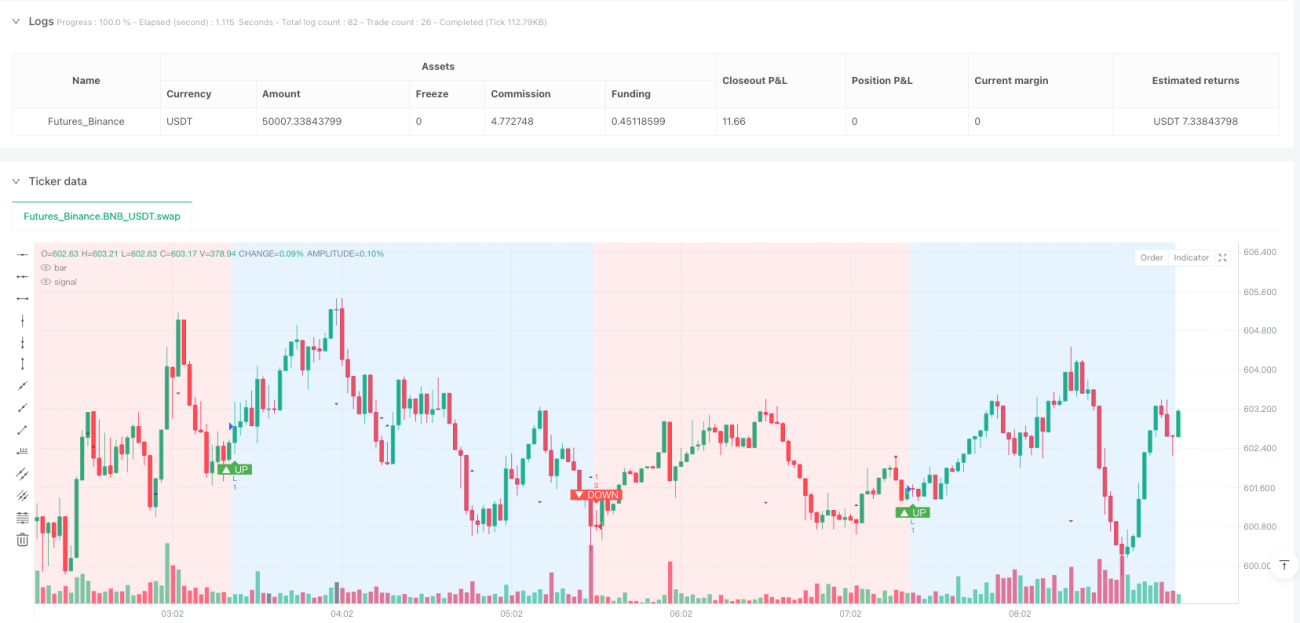
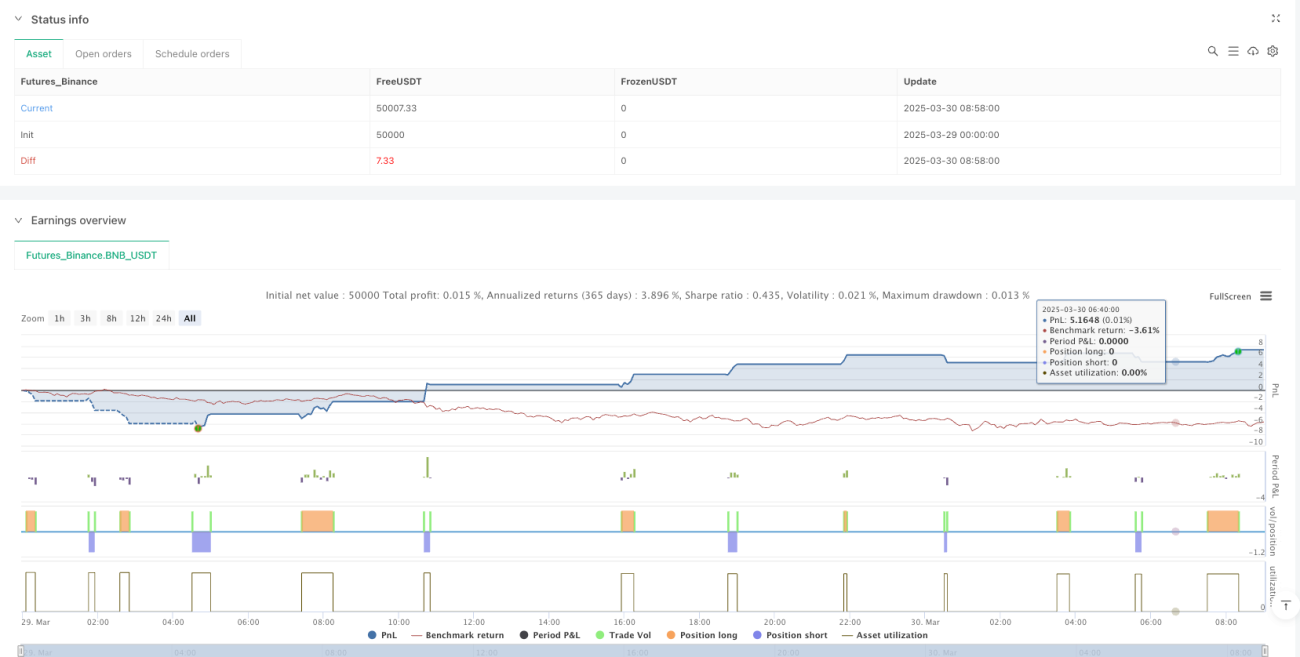
अवलोकन
डॉव थ्योरी ट्रेंड एडाप्टिव मोमेंटम स्ट्रैटेजी शास्त्रीय डॉव थ्योरी सिद्धांतों पर आधारित एक उन्नत व्यापार विधि है, जो बाजार के रुझानों के महत्वपूर्ण मोड़ बिंदुओं की पहचान कर व्यापार निर्णयों का मार्गदर्शन करती है। यह रणनीति मूल्य रुझानों की मूलभूत गतिशीलता का पता लगाने और उनकी पुष्टि करने पर केंद्रित है। यह उच्च उच्च (Higher Highs) और उच्च निम्न (Higher Lows) का उपयोग करके ऊपरी रुझान को परिभाषित करती है, तथा निम्न उच्च (Lower Highs) और निम्न निम्न (Lower Lows) का उपयोग करके नीचे के रुझान को परिभाषित करती है। इस विधि का उद्देश्य बाजार के रुझानों को पकड़ने और रुझान बदलने पर तुरंत प्रतिक्रिया देने के लिए एक व्यवस्थित दृष्टिकोण प्रदान करना है।
रणनीति सिद्धांत
इस रणनीति का मूल सिद्धांत शास्त्रीय डॉव थ्योरी की रुझान पहचान विधि पर आधारित है। रणनीति ta.pivothigh() और ta.pivotlow() फ़ंक्शन का उपयोग करके प्रमुख मोड़ बिंदुओं का पता लगाती है। विशिष्ट कार्यान्वयन में निम्नलिखित प्रमुख चरण शामिल हैं:
- मोड़ बिंदु पहचान: उच्च और निम्न बिंदुओं की पहचान के लिए दोनों तरफ़ की दंडों की संख्या निर्धारित करने हेतु pivotLookback पैरामीटर का उपयोग करें।
- रुझान पुष्टि: ऊपरी रुझान की पुष्टि तभी होती है जब उच्च उच्च और उच्च निम्न दोनों शर्तें पूरी हों; इसी प्रकार, नीचे के रुझान की पुष्टि तभी होती है जब निम्न उच्च और निम्न निम्न दोनों शर्तें संतुष्ट हों।
- रुझान निरंतरता: यदि रुझान परिवर्तन की शर्तें पूरी नहीं होती हैं, तो रणनीति पिछली रुझान स्थिति को बनाए रखती है, जिससे अधिक सहज रुझान ट्रैकिंग प्राप्त होती है।
रणनीति लाभ
- गतिशील रुझान पहचान: प्रमुख मोड़ बिंदुओं का निरंतर विश्लेषण कर, रणनीति बाजार के रुझान में बदलाव को गतिशील रूप से पकड़ सकती है।
- लचीले व्यापार मोड: स्वचालित, केवल लॉन्ग और केवल शॉर्ट - तीन व्यापार मोड प्रदान करती है, जो विभिन्न व्यापारियों की आवश्यकताओं को पूरा करती है।
- जोखिम प्रबंधन: निर्मित स्टॉप-लॉस और टेक-प्रॉफिट तंत्र प्रति व्यापार जोखिम को प्रभावी रूप से नियंत्रित कर सकता है।
- रुझान विज़ुअलाइज़ेशन: पृष्ठभूमि रंगों और मार्करों के माध्यम से रुझान दिशा को सहजता से प्रदर्शित करता है, जिससे व्यापारियों के लिए बाजार की स्थिति को समझना आसान होता है।
- कम विलंबता: पारंपरिक मूविंग एवरेज रणनीतियों की तुलना में, यह विधि रुझान परिवर्तनों पर अधिक तेजी से प्रतिक्रिया कर सकती है।
रणनीति जोखिम
- विलंबता जोखिम: मोड़ बिंदु पहचान का उपयोग करने के कारण, रणनीति में अंतर्निहित विलंबता जोखिम है, जो रुझान के शुरुआती संकेतों को नहीं पकड़ सकता।
- सीमा में बाजार जोखिम: अस्पष्ट उतार-चढ़ाव वाले बाजारों में, बार-बार छोटे मूल्य परिवर्तन अनावश्यक व्यापार का कारण बन सकते हैं।
- पैरामीटर संवेदनशीलता: pivotLookback पैरामीटर का चुनाव रणनीति प्रदर्शन को महत्वपूर्ण रूप से प्रभावित करता है, और विभिन्न बाजारों और समय-सीमाओं के लिए समायोजन की आवश्यकता होती है।
- व्यापार लागत: बार-बार व्यापार करने से उच्च लेन-देन लागत हो सकती है, विशेषकर उच्च कमीशन दरों के मामले में।
रणनीति अनुकूलन दिशाएँ
- अतिरिक्त फ़िल्टर शामिल करना: कमज़ोर रुझान संकेतों को फ़िल्टर करने के लिए ट्रेंड शक्ति संकेतक (जैसे ATR) के साथ संयोजन।
- गतिशील पैरामीटर समायोजन: बाजार अस्थिरता पर आधारित अनुकूली pivotLookback पैरामीटर तंत्र विकसित करना।
- बहु-समय-सीमा सत्यापन: संकेतों की विश्वसनीयता बढ़ाने के लिए विभिन्न समय-सीमाओं पर रुझान संकेतों को क्रॉस-सत्यापित करना।
- मशीन लर्निंग संवर्धन: रुझान पहचान और प्रवेश समय को अनुकूलित करने के लिए मशीन लर्निंग एल्गोरिदम का उपयोग करने की खोज।
- जोखिम प्रबंधन अनुकूलन: बाजार अस्थिरता के अनुसार स्टॉप-लॉस और टेक-प्रॉफिट दूरी को गतिशील रूप से समायोजित करना।
सारांश
डॉव थ्योरी ट्रेंड एडाप्टिव मोमेंटम स्ट्रैटेजी एक शक्तिशाली ट्रेंड फ़ॉलोइंग विधि है, जो नवीन मोड़ बिंदु विश्लेषण तकनीक के माध्यम से व्यापारियों को एक व्यवस्थित रुझान पहचान उपकरण प्रदान करती है। यद्यपि इसमें कुछ अंतर्निहित जोखिम हैं, इसकी लचीलापन और गतिशीलता इसे आधुनिक मात्रात्मक व्यापार रणनीतियों में एक मूल्यवान दृष्टिकोण बनाती है। इस रणनीति को सफलतापूर्वक लागू करने के लिए इसके कार्य सिद्धांतों की गहरी समझ और विशिष्ट बाजार वातावरण के अनुसार निरंतर अनुकूलन और समायोजन आवश्यक है।
- अतिरिक्त फ़िल्टर प्रस्तुत करें: कमज़ोर ट्रेंड सिग्नलों को फ़िल्टर करने के लिए ट्रेंड ताकत संकेतकों (जैसे ATR) के साथ संयोजन करें।
- गतिशील पैरामीटर समायोजन: बाज़ार की अस्थिरता के आधार पर एक अनुकूली pivotLookback पैरामीटर तंत्र विकसित करें।
- बहु-समय-सीमा सत्यापन: सिग्नल विश्वसनीयता बढ़ाने के लिए विभिन्न समय-सीमाओं पर ट्रेंड सिग्नलों को क्रॉस-वेरिफ़ाई करें।
- मशीन लर्निंग संवर्धन: ट्रेंड पहचान और प्रवेश समय को अनुकूलित करने के लिए मशीन लर्निंग एल्गोरिदम के उपयोग का अन्वेषण करें।
- जोखिम प्रबंधन अनुकूलन: बाज़ार की अस्थिरता के आधार पर स्टॉप-लॉस और टेक-प्रॉफ़िट दूरियों को गतिशील रूप से समायोजित करें।
निष्कर्ष
डॉव थ्योरी ट्रेंड अडैप्टिव मोमेंटम स्ट्रैटेजी एक शक्तिशाली ट्रेंड-फ़ॉलोइंग विधि है जो नवाचारी टर्निंग पॉइंट विश्लेषण तकनीकों के माध्यम से व्यापारियों को एक व्यवस्थित ट्रेंड पहचान उपकरण प्रदान करती है। कुछ अंतर्निहित जोखिमों के बावजूद, इसकी लचीलापन और गतिशीलता इसे आधुनिक मात्रात्मक ट्रेडिंग रणनीतियों में एक मूल्यवान दृष्टिकोण बनाती है। इस रणनीति को सफलतापूर्वक लागू करने के लिए इसके कार्य सिद्धांतों की गहन समझ और विशिष्ट बाज़ार वातावरण के आधार पर निरंतर अनुकूलन और समायोजन की आवश्यकता है।
/*backtest
start: 2025-03-29 00:00:00
end: 2025-03-30 09:00:00
period: 2m
basePeriod: 2m
exchanges: [{"eid":"Futures_Binance","currency":"BNB_USDT"}]
*/

//@version=5
// strategy(title="Dow Theory Trend Strategy v3", shorttitle="Dow Trend Strat v3", overlay=true,
//      initial_capital=10000, default_qty_type=strategy.percent_of_equity, default_qty_value=10,
// commission_type=strategy.commission.percent, commission_value=0.1, // Example strategy settings with commission- 1