Strategi Trading Grid Adaptif Cerdas

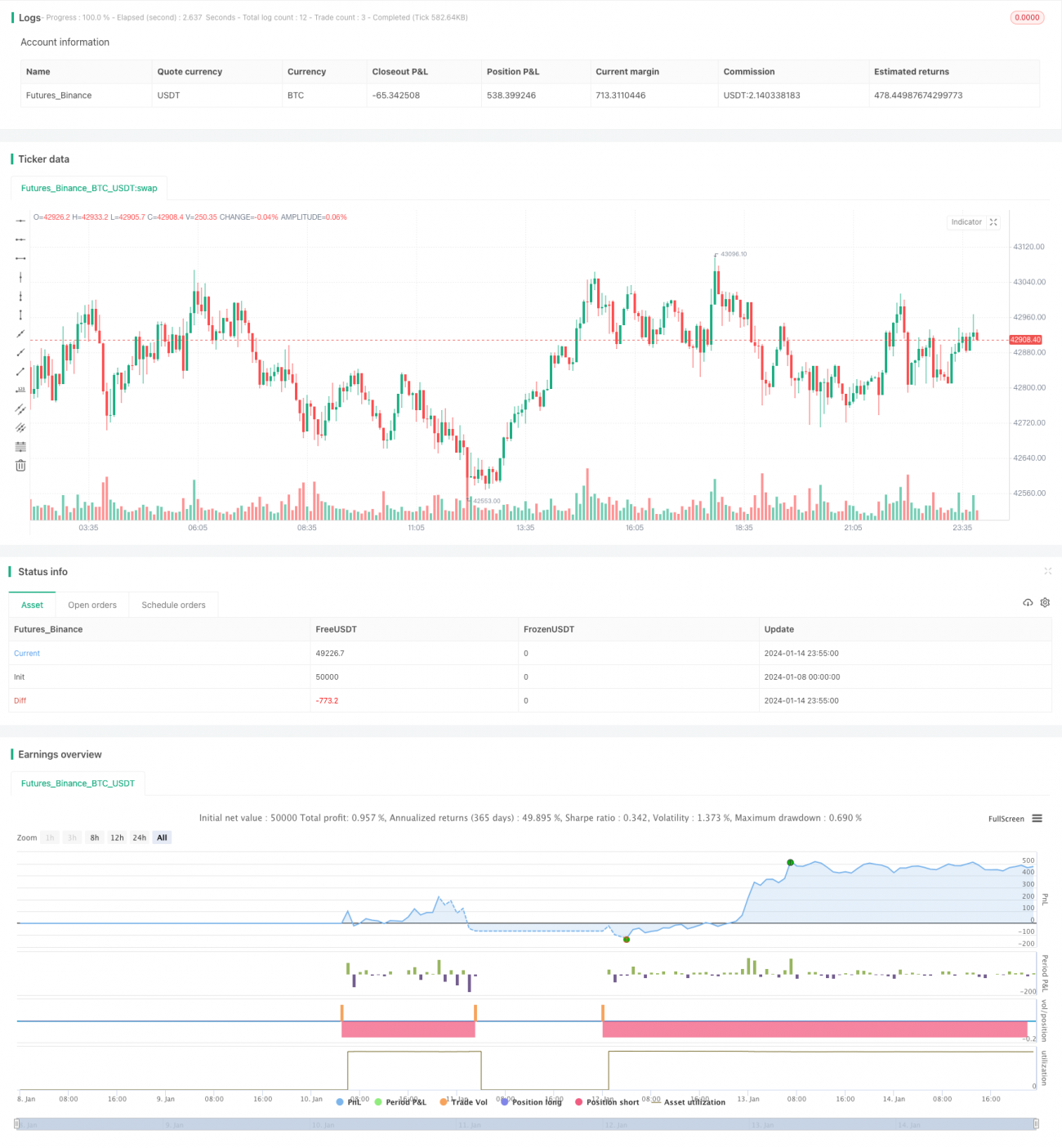
Gambaran Umum
Strategi ini adalah strategi trading grid adaptif cerdas berbasis platform TradingView, yang ditulis menggunakan Pine Script v4. Strategi ini ditampilkan di atas grafik harga dan membuat grid dalam rentang tertentu untuk menghasilkan sinyal beli dan jual.
Prinsip Strategi
Fungsi Utama
-
Piramida dan Manajemen Modal:
- Mengizinkan maksimal 14 kali penambahan posisi (piramida) dalam arah yang sama,
- Menggunakan strategi berbasis kas untuk mengelola ukuran posisi,
- Modal awal ditetapkan sebesar $100 untuk tujuan simulasi,
- Menerapkan komisi sebesar 0,1% untuk setiap transaksi.
-
Rentang Grid:
- Pengguna dapat memilih untuk menggunakan rentang yang dihitung secara otomatis atau mengatur batas atas dan bawah grid secara manual,
- Rentang otomatis dapat diturunkan dari level tertinggi dan terendah harga baru-baru ini, atau dari Simple Moving Average (SMA),
- Pengguna dapat menentukan periode lookback yang digunakan untuk menghitung rentang, dan menyesuaikan deviasi untuk memperlebar atau mempersempit rentang.
-
Garis Grid:
- Strategi ini memungkinkan jumlah garis grid yang dapat disesuaikan dalam rentang, dengan rentang yang disarankan antara 3 hingga 15,
- Garis grid diberi jarak yang sama antara batas atas dan bawah.
Logika Strategi
-
Masuk Posisi:
- Ketika harga menembus di bawah garis grid dan garis grid tersebut tidak memiliki order terbuka terkait, skrip akan menempatkan order beli,
- Jumlah setiap order beli dihitung berdasarkan modal awal dibagi dengan jumlah garis grid, dan disesuaikan dengan harga saat ini.
-
Keluar Posisi:
- Ketika harga naik melebihi garis grid yang lebih tinggi, dan terdapat order terbuka terkait dengan garis grid yang lebih rendah berikutnya, sinyal jual akan terpicu.
-
Grid Adaptif:
- Jika menggunakan rentang otomatis, grid akan beradaptasi dengan kondisi pasar yang berubah dengan menghitung ulang batas atas dan bawah serta menyesuaikannya.
Analisis Keuntungan
Strategi ini menggabungkan keunggulan sistematis dan eksekusi efisien dari trading grid. Dengan mengizinkan penambahan posisi dan menggunakan manajemen modal, risiko dapat dikendalikan secara efektif; grid secara otomatis beradaptasi dengan pasar, cocok untuk berbagai kondisi pasar; parameter dapat disesuaikan untuk mengakomodasi berbagai gaya trading.
Analisis Risiko
Penembusan harga di luar batas atas atau bawah grid dapat menyebabkan kerugian yang signifikan. Parameter harus disesuaikan dengan tepat, atau dikombinasikan dengan stop loss untuk mengendalikan risiko. Selain itu, frekuensi trading yang terlalu tinggi dapat meningkatkan biaya transaksi.
Arah Optimasi
Dapat dipertimbangkan untuk menggabungkan indikator tren untuk memfilter sinyal atau mengoptimalkan parameter grid. Risiko dari pergerakan harga ekstrem juga dapat diantisipasi dengan menggunakan stop loss.
Kesimpulan
Strategi ini secara sistematis menghasilkan titik beli dan jual serta mengelola posisi. Dengan penyesuaian parameter, strategi ini dapat disesuaikan dengan preferensi yang berbeda. Strategi ini secara organik menggabungkan sifat teratur trading grid dengan fleksibilitas trading tren, sehingga mengurangi kesulitan operasional sekaligus memiliki toleransi kesalahan tertentu.
/*backtest
start: 2024-01-08 00:00:00
end: 2024-01-15 00:00:00
period: 5m
basePeriod: 1m
exchanges: [{"eid":"Futures_Binance","currency":"BTC_USDT"}]
*/

//@version=4
strategy("(IK) Grid Script", overlay=true, pyramiding=14, close_entries_rule="ANY", default_qty_type=strategy.cash, initial_capital=100.0, currency="USD", commission_type=strategy.commission.percent, commission_value=0.1)
i_autoBounds    = input(group="Grid Bounds", title="Use Auto Bounds?", defval=true, type=input.bool)                             // calculate upper and lower bound of the grid automatically? This will theorhetically be less profitable, but will certainly require less attention
i_boundSrc = input(group="Grid Bounds", title="(Auto) Bound Source", defval="Hi & Low", options=["Hi & Low", "Average"]) // should bounds of the auto grid be calculated from recent High & Low, or from a Simple Moving Average- 1