
1
Follow
1815
Followers
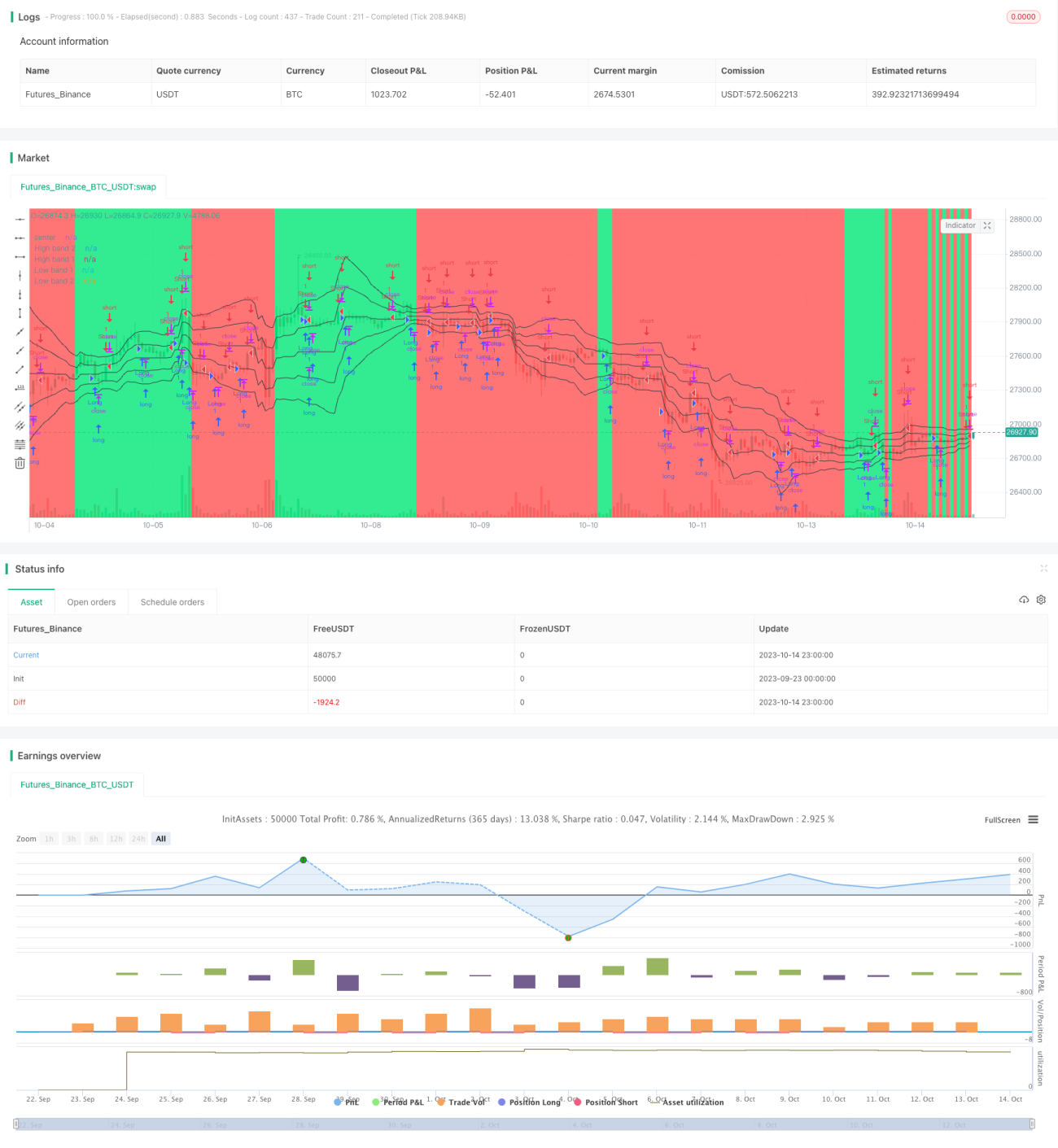
概要
本戦略は主に二重移動平均線を買い・売りのシグナルとして利用し、トレンド反転時に利益を得るものです。短期移動平均線が長期移動平均線を上抜けたときにロング、下抜けたときにショートする、一般的なトレーリングストップ戦略です。
戦略の原理
本戦略ではまず2本の移動平均線を設定します。1本は短期の20日移動平均線、もう1本は長期の60日移動平均線です。そして短期平均線と長期平均線のクロス状況を判断してエントリーします。
具体的には、短期平均線が長期平均線を上抜けた場合、上昇トレンドにあると判断してロングします。短期平均線が長期平均線を下抜けた場合は、下降トレンドにあると判断してショートします。
ロング・ショート後のストップ方法はトレーリングストップで、最高値と最安値を基にトレーリングし、最大利益を確定できます。
コードの主なロジックは以下の通りです。
- 20日EMAと60日EMAを計算する
- 20日EMAが60日EMAを上抜けたか判断し、上抜けた場合はロング
- 20日EMAが60日EMAを下抜けたか判断し、下抜けた場合はショート
- ロングポジションに入った後、最高値の3%をストップラインとする
- ショートポジションに入った後、最安値の3%をストップラインとする
- ポジション保有中は継続的にストップラインを調整する
優位性の分析
本戦略には以下のような優位性があります。
- 考え方がシンプルで理解しやすく、実装も容易。
- 二重移動平均線を用いることで、偽のブレイクアウトを効果的にフィルタリングできる。
- トレーリングストップにより、最大利益を確定できる。
- トレンド転換時に迅速にシグナルを捉えられる。
- ドローダウンを適切にコントロールでき、比較的安定している。
リスク分析
本戦略には以下のようなリスクも存在します。
- トレンドがはっきりしない場合、二重移動平均線が頻繁にクロスし、頻繁なトレードによる損失が発生する可能性がある。
- ストップ範囲の設定が不適切だと、ストップが緩すぎたり、逆に積極的すぎたりする可能性がある。
- 期間長さなどのパラメータ設定が不適切だと、重要なシグナルポイントを見逃す可能性がある。
- 取引コストが高く、利益を圧迫する可能性がある。
これらのリスクに対しては、以下の方法で最適化できます。
- トレンドがはっきりしない場合、フィルターシステムを導入して無駄な取引を避ける。
- ストップ範囲をテスト・最適化し、適切な範囲を設定する。
- バックテストとパラメータ最適化により、最適なパラメータ設定を見つける。
- 建玉数量を適切に減らし、取引コストを低減する。
最適化のアイデア
本戦略は以下の点からさらに最適化できます。
- 他の指標によるフィルターを追加し、複数条件のエントリー機構を構築して偽のブレイクアウトを回避する。例えばRSI指標を追加して判定する。
- 移動平均線の期間パラメータを最適化し、最適なパラメータの組み合わせを見つける。ステップワイズ探索でさまざまな期間パラメータをテストできる。
- ストップ範囲を最適化する。バックテストデータから最適なストップ範囲を計算できる。また動的なストップ範囲も設定可能。
- 再エントリー機構を設定する。ストップで損切りした後、適切な再エントリーロジックを設定し、取引回数を減らす。
- トレンド判断指標と組み合わせ、トレンドがはっきりしない場合は取引を休止し、無効な取引を避ける。
- ポジション管理機構を導入し、市場状況に応じてポジションサイズとストップ範囲を動的に調整する。
まとめ
本二重移動平均線反転戦略は全体的にシンプルで実用的であり、二重移動平均線でトレンド転換点を判断する一般的で効果的な手法です。ただし一定のリスクが伴うため、パラメータ設定やストップ範囲の最適化テストを行い、他のフィルター指標を組み合わせて使用することで、戦略の効果を最大限に発揮できます。丁寧な最適化と厳格なリスク管理を経れば、本戦略は安定した利益を生むスイングトレード戦略となり得ます。
Source
Pine
/*backtest
start: 2023-09-23 00:00:00
end: 2023-10-15 00:00:00
period: 1h
basePeriod: 15m
exchanges: [{"eid":"Futures_Binance","currency":"BTC_USDT"}]
*/


//@version=2
strategy("Noro's Bands Scalper Strategy v1.4", shorttitle = "Scalper str 1.4", overlay=true, default_qty_type = strategy.percent_of_equity, default_qty_value=100.0, pyramiding=0)
Strategy parameters
Related strategies
Comment
All comments (0)
No data
- 1