ジャクソン・クイックフィンガースラック(QFL)のパニック買い戦略


作成日: 2025-08-27 10:06:54 最終変更日: 2025-09-02 14:07:43
コピー: 0 クリック数: 271
2
フォロー
319
フォロワー

ジャクソン・クイックフィンガースラック(QFL)のパニック買い戦略 ジャクソン・クイックフィンガースラック(QFL)のパニック買い戦略

QFL, ATR, PANIC-SELL, REBOUND, MEAN-REVERSION

市場が恐慌に陥ったとき,スマートファンドは何をしているのでしょうか?

金融市場の暴風雨の中で,散歩投資家がパニックで狂った売り上げをする時,冷静なトレーダーが暗闇で並んでいる.彼らは暴落を追いかけているのではなく,特定の瞬間を待って市場をする極度のパニックを抱えている.これがジャクソン・クイックフィンガーズルクの戦略の中心的な哲学である. 他人が恐れているときに貪欲である.

QFL戦略は単純な逆思考ではなく,市場で最も価値のある取引の機会を恐慌的な売り上げの後の技術的な反転に捉えるための精密な量化システムである.この戦略の名前は,市場崩壊時に迅速な転写で有名な伝説のトレーダーのニックネームから来ている.

恐慌の数学的な論理

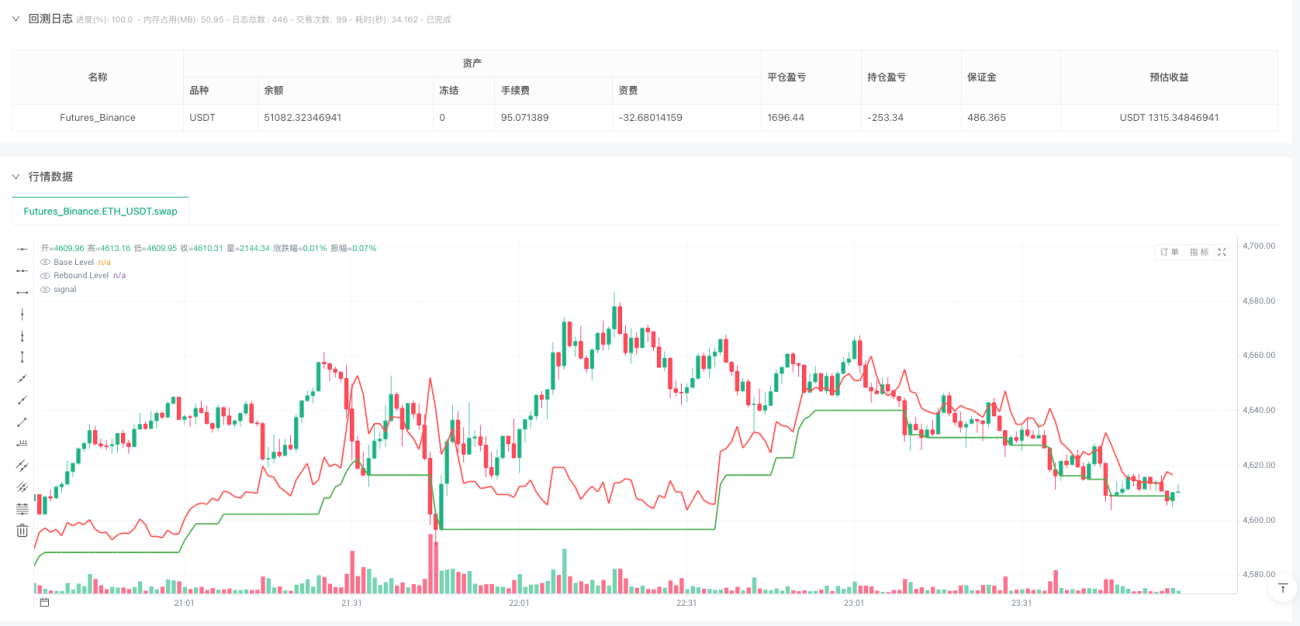
QFL戦略の核心は,2つの重要な価格レベルを識別することである. ベースレベルとリバウンドレベルである. ベースレベルは,歴史的な最低の閉店価格を分析して計算され,比較的安全なサポート領域を表す.

さらに巧妙に,この戦略は,ATR (平均リアル波幅) を導入し,パニック的な売り上げを識別する.価格の変動がATRの特定の倍数を超えると,システムは市場が異常な波動を起こしていると判断し,これはしばしばパニックの感情の放出に伴います.この設計は,通常の市場調整の早期入場を避け,真の市場の不均衡を捕捉することに焦点を当てています.

戦略はまた,短期間に頻繁に取引を防ぐために冷却期メカニズムを設定している.この設計は,市場の心理に対する深い理解を反映している.真のパニック的なセールスは,十分に解放されるのに時間がかかり,頻繁に取引が最適のタイミングを逃す可能性がある.

3つの利得モデルで賢明な選択

QFL戦略は,異なるリスク好みと市場理解に対応する3つの異なる収益化方法を提供しています.

平均価格モデル安定した利益を追求するトレーダーに適している.この方法は,すべてのポジションの平均コストを計算することによって,単一の取引の影響を平坦化し,タイミングの選択の圧力を軽減します.

最初の入学モード更に激進的では,最初の取引が利益目標に達すれば,全取引を平定する.この方法は,市場タイミングの判断に自信のあるトレーダーに適し,利益を迅速にロックすることができる.

バッチ平仓方式最精細で,各個個ポジションの管理を許可する.この方法は,波動が大きい市場において特に有効であり,価格の反転を最大限に利用することができる.

戦略の市場適応性分析

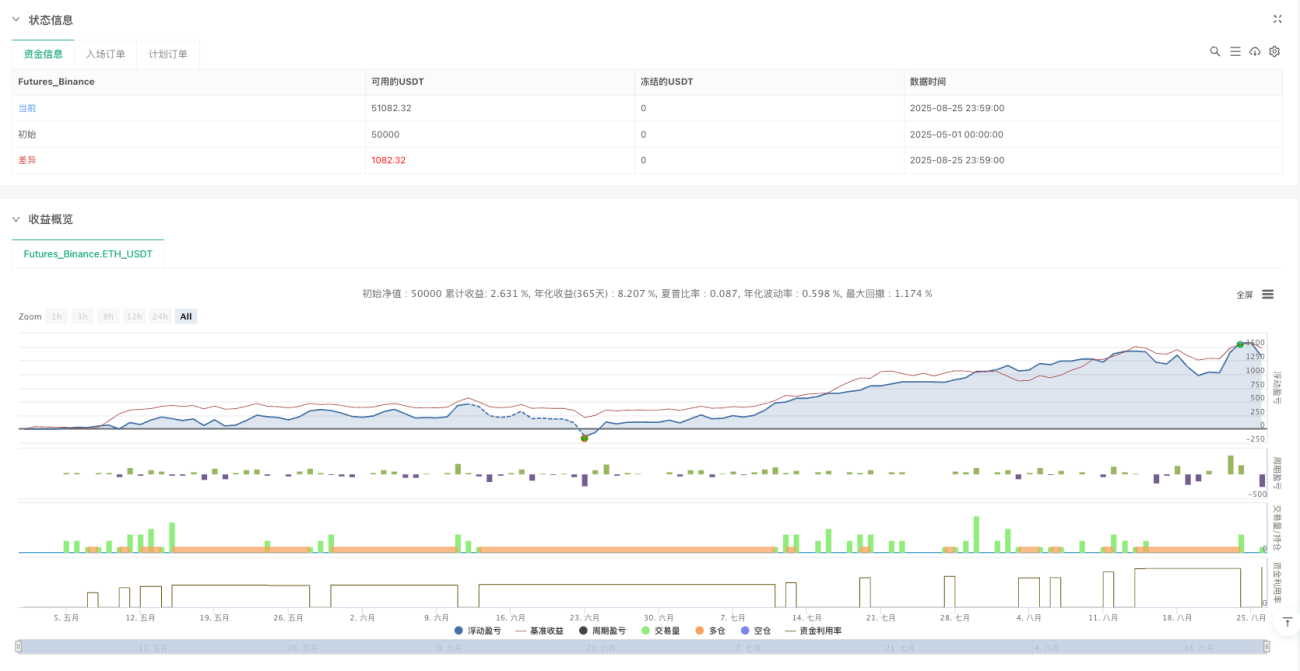
QFL戦略は,反省データから見て,さまざまな市場環境で良好な適応性を示した. 傾向的な下落の市場では,戦略は,単一の利益が有限である場合でも,勝率が比較的高いものの,複数の技術的な反転を捕捉することができた. 震荡の市場では,戦略は,パニックの販売後の反転がより迅速で顕著であるため,より優れたパフォーマンスを示した.

しかし,この戦略には明らかな限界もあります. 強い上昇傾向では,パニック的な売り込みの機会は比較的少なく,戦略の取引頻度は著しく低下します. さらに,極端なシステミックリスクのイベントでは,従来の技術分析は失敗し,基準レベルは急速に破綻する可能性があります.

リスクマネジメントの芸術

QFL戦略のリスク管理は,複数のレベルで表現されている.第一に,ATRを動的に操作することで,パニック識別の感度が調整され,戦略が異なる市場変動環境に適応できるようにする.第二に,冷却期メカニズムは,過剰取引を効果的に防止し,資金の安全性を保護する.

さらに重要なのは,戦略の制止メカニズムが,貪欲と恐怖を巧みにバランスよく設計されていることです. 戦略は,収益目標と反転確認の両方を同時に満たすように要求することで,早期脱退を回避し,また,利益の大幅な撤収を防止しています.

進化の未来について考える

市場の構造が変化するにつれて,QFL戦略も継続的に最適化する必要があります.機械学習技術の導入は,パニックの識別の正確性を向上させ,感情の指標の組み合わせは,戦略の予測能力を強化する可能性があります.

さらに,現代の市場の高周波特性を考慮すると,戦略はより短い時間枠で動作する必要があり,パラメータの適切な調整と最適化が必要になります.

QFL戦略の真の価値は,その収益性だけでなく,市場が最も暗い時に理性を保ち,群衆が恐れているときに勇気を示すという取引哲学を体現していることです.この逆思考の定量化実現は,現代のトレーダーに金融市場を理解し,参加するためのユニークな視点を提供しています.

ストラテジーソースコード
/*backtest
start: 2025-05-01 00:00:00
end: 2025-08-26 00:00:00
period: 1m
basePeriod: 1m
exchanges: [{"eid":"Futures_Binance","currency":"ETH_USDT","tradesMode":"1"}]
*/

//@version=6
strategy("Jackson Quickfingersluc (QFL) Strategy", overlay=true)

// Parameters
baseLevelMultiplier = input.float(1, title="Base Level Multiplier", minval=0.1, maxval=1.0, step=0.05)
reboundMultiplier = input.float(0.8, title="Rebound Level Multiplier", minval=0.0001, maxval=1.0, step=0.01) // Multiplier for range of past candles
lookBackPeriod = input.int(50, title="Look-back Period", minval=10)
atrPeriod = input.int(14, title="ATR Period", minval=1)
atrMultiplier = input.float(1.2, title="Panic Sell ATR Multiplier", minval=0.1, maxval=5.0, step=0.1) // Multiplier for ATR threshold
panicSellPercentage = input.float(0.005, title="Panic Sell Percentage Below Base Level", step=0.0001) // Percentage below base level for panic sell
exitProfitThreshold = input.float(0.01, title="Exit Profit Threshold", minval=0.001, maxval=0.1, step=0.001) // Minimum profit threshold (e.g., 1%)
takeProfitOption = input.string("avg_price", title="Take Profit Option", options=["avg_price", "first_entry", "each_position"]) // TP option selection
rangeBars = input.int(3, title="Number of Bars for Range Calculation", minval=1) // Input for number of bars for range calculation
cooldownBars = input.int(5, title="Cooldown Period (Bars)", minval=1) // Input for cooldown period after a buy

// Calculate Base Level
lowestClose = ta.lowest(close, lookBackPeriod)
baseLevel = lowestClose[1] * baseLevelMultiplier

// Calculate Rebound Level as a multiplier of the range of the last 'rangeBars' bars
rangeLastBars = ta.highest(high, rangeBars) - ta.lowest(low, rangeBars)
reboundLevel = reboundMultiplier * rangeLastBars + baseLevel

// Plotting base and rebound levels
plot(baseLevel, color=color.green, linewidth=2, title="Base Level")
plot(reboundLevel, color=color.red, linewidth=2, title="Rebound Level")

// Calculate ATR
atrValue = ta.atr(atrPeriod)

// Factorial average and panic sell movement calculation
var bool panicSellMovement = false

// Loop through each range and check for panic sell condition
for bar_i = 1 to rangeBars+1
    currentBarRange = high[bar_i - 1] - low[bar_i - 1]  // Current bar range
    rangeOfLastXBars = ta.highest(high, bar_i) - ta.lowest(low, bar_i)  // Range of the last `bar_i` bars
    
    // Condition 1: Check if the average range of the last `bar_i` bars exceeds ATR multiplier
    if (rangeOfLastXBars / bar_i) > atrMultiplier * atrValue
        panicSellMovement := true
        break  // Exit the loop immediately
    
    // Condition 2: Check if the current bar range exceeds ATR multiplier
    if currentBarRange > atrMultiplier * atrValue
        panicSellMovement := true
        break  // Exit the loop immediately

// Define the adjusted base level threshold for panic sell (base level - percentage)
panicSellThreshold = baseLevel[0] * (1 - panicSellPercentage)

// Define panic sell condition with base level check and the panic sell percentage threshold
isPanicSell = low < panicSellThreshold and panicSellMovement

// Define rebound condition
isRebound = close > reboundLevel

// Track the last entry bar index
var float lastEntryBar = na

// Store entry prices for each position in an array
var float[] entryPrices = na
var float[] entrySizes = na

bool exit_cond = false
if (na(entryPrices))
    entryPrices := array.new_float(0)
if (na(entrySizes))
    entrySizes := array.new_float(0)

// Strategy to simulate buys and sells (for backtesting purposes)
entry_cond = isPanicSell and (na(lastEntryBar) or (bar_index - lastEntryBar) > cooldownBars)
if entry_cond
    strategy.entry("Buy", strategy.long)
    lastEntryBar := bar_index  // Set last entry bar to current bar index
    // Store the entry price and size for this new position
    array.push(entryPrices, close)
    array.push(entrySizes, strategy.position_size)

isTakeProfitCondition(entryPrice) =>
    profitPercentage = (close - entryPrice) / entryPrice
    profitCondition = profitPercentage >= exitProfitThreshold
    reboundCondition = isRebound
    profitCondition and reboundCondition

// Check TP condition based on selected option
if takeProfitOption == "avg_price"
    avgEntryPrice = strategy.position_avg_price
    if isTakeProfitCondition(avgEntryPrice)
        exit_cond := true
        strategy.close("Buy")
else if takeProfitOption == "first_entry"
    firstEntryPrice = strategy.opentrades.entry_price(0)
    if isTakeProfitCondition(firstEntryPrice)
        exit_cond := true
        strategy.close("Buy")
else if takeProfitOption == "each_position"
    // Ensure we only check when there is at least one entry
    if array.size(entryPrices) > 0
        // Loop until there are no more entries left
        i = 0
        while i < array.size(entryPrices)
            entryPrice = array.get(entryPrices, i)
            positionSize = array.get(entrySizes, i)
            
            // Check profit condition for each position
            if isTakeProfitCondition(entryPrice)
                exit_cond := true
                // Remove the entry price and size from the arrays once the position is closed
                array.remove(entryPrices, i)
                array.remove(entrySizes, i)
                strategy.close("Buy", qty=positionSize) // Close only the position that reached the target
            else
                // Only increment the index if the current entry is not closed
                i := i + 1

// Trigger BUY alert
if entry_cond
    alert("BUY ALERT: Panic Sell condition triggered", alert.freq_once_per_bar)

// Trigger SELL alert
if exit_cond
    alert("SELL ALERT: Exit condition met (take profit or rebound)", alert.freq_once_per_bar)