반전 로우 바운스 전략


생성 날짜: 2023-10-30 11:53:56 마지막으로 수정됨: 2023-10-30 11:53:56
복사: 0 클릭수: 663
avatar of ChaoZhang ChaoZhang
1
집중하다
1617
수행원

반전 로우 바운스 전략

[trans]

개요

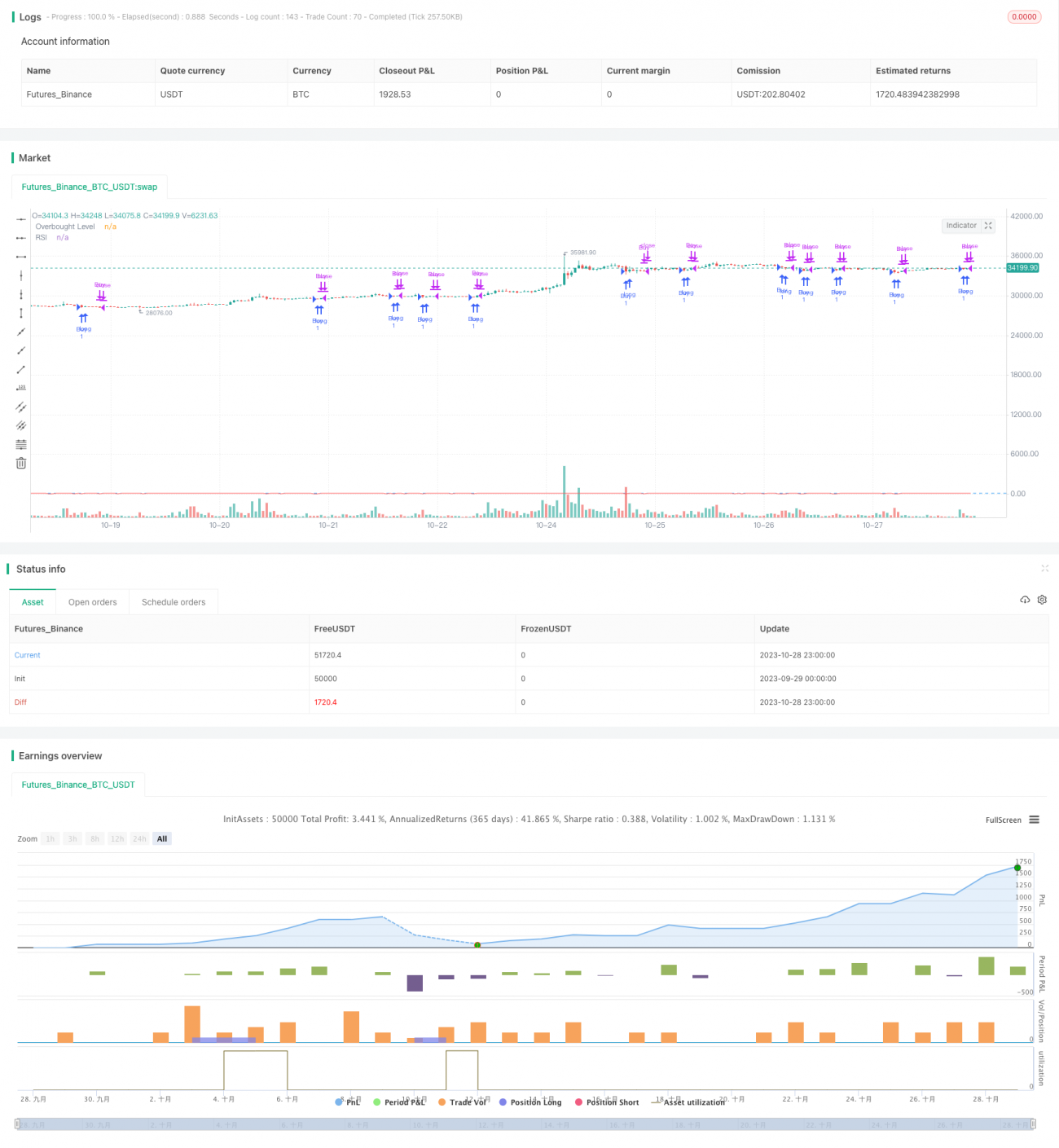
반전 하위점 반전 전략은 간단한 효과적인 주식 거래 전략이다. 그것은 하위점 반전 기회를 포착하여, 주가가 상승할 때 시장에 진입하고, 단기 운영을 채택하고, 수익을 얻은 후 신속한 중지 손실 퇴출한다.

전략 원칙

이 전략은 주로 두 가지 지표에 기반합니다. 입시 시점을 결정하는 5 일 최저 가격과 퇴출 시점을 결정하는 2 일 RSI.

이 작업은 다음과 같습니다.

  1. 만약 그 날의 종식 가격이 어제의 5일 최저 가격보다 낮다면, 종식 시간에 더 많은 입장을 한다.

  2. 만약 2일 RSI가 오버 바이 지역 (기본 50) 에서 마감한다면, 그날의 마감시 매매가 중단된다.

  3. 입국 후 5일 이내에 정지 조건이 발생하지 않으면 강제 정지 탈퇴한다.

이렇게 함으로써 우리는 주가가 반전 상승의 중요한 지점 근처에 더 많이 입문하여 RSI의 오버 바이 신호를 통해 수익을 잠금화하고 동시에 위험을 통제하기 위해 시간적 손실을 설정합니다.

우위 분석

이 전략은 다음과 같은 장점이 있습니다.

  1. 간단하고 실행하기 쉽다. 두 개의 지표만 관찰하면 규칙이 명확해져서 거래 결정을 빠르게 내릴 수 있다.

  2. 트렌드 반전 사고방식을 적용하여 주가가 상승하기 전에 시장에 진입하여 큰 시장을 포착하십시오.

  3. 단편적 손실을 제어하고 안정적인 수익을 달성하기 위해 스톱 스톱 지점을 설정합니다.

  4. 자금이 빠르게 돌아다니며, 오랜 기다림이 필요없고, 여러 번 반복적으로 거래할 수 있다.

  5. 대부분의 주식, 특히 단기적으로 낮은 가격의 반전 특성을 가진 주식에는 널리 적용될 수 있다.

위험 분석

이 전략에는 몇 가지 위험도 있습니다.

  1. 회전 시간을 잘못 선택하면 손실이 발생할 수 있다. 회전 시간을 판단하는 것은 실제 경험이 필요하다.

  2. 스톱포인트 설정이 잘못되어 손실을 확대할 수 있다. 합리적인 스톱포인트 범위가 고려되어야 한다.

  3. 거래상황이 흔들리고, 정지점이 발동하기 어렵다. RSI 파라미터를 적절히 조정할 수 있다.

  4. 단기 운영에 적합하며, 장기 보유에는 적합하지 않다.

  5. 손 교환 빈도가 높으면 거래 비용과 점유율 비용이 증가합니다.

최적화 방향

이 전략은 다음의 몇 가지 측면에서 더 개선될 수 있습니다.

  1. 트렌드 지표와 결합하여 역동적인 동작을 피한다. 예를 들어 MACD, KDJ 등이다.

  2. 다른 날의 최저 가격의 매개 변수를 테스트하여 더 적합한 역확인 지표를 찾습니다.

  3. RSI의 변수 크기를 테스트하고, 정지 조건을 최적화한다.

  4. ATR을 통해 동적으로 스톱포인트를 설정하는 스톱로스 최적화 모듈을 추가하는 것을 고려하십시오.

  5. 진입 시기를 최적화하여, 반전 확인 후 다시 진입할 수 있으며, 가짜 돌파구를 필터링한다.

  6. 거래 비용을 고려한 후, 합리적인 중지 목표를 설정하십시오. 거래 빈도를 제어하십시오.

요약하다

반전 하위점 반발 전략은 전형적인 단선 운영 전략이다. 그것은 하위점 반발의 거래 기회를 포착하고, 간단한 지표 조합을 사용하여 입시 시점과 퇴출 시점을 판단하여 신속한 스톱 로스를 달성한다. 구매 보유에 비해 이 전략은 위험 수익률이 더 높다는 장점이 있다. 이 전략은 매개 변수 및 규칙을 계속 최적화함으로써 대부분의 주식의 특성에 적응하여 안정적인 수익을 얻을 수 있다. 그러나 과도한 빈도 거래로 인한 거래 비용 문제를 경계해야 한다.

||

Overview

The Low Point Rebound strategy is a simple and effective stock trading strategy. It captures low point rebound opportunities and enters the market when stock prices reverse upwards. It aims to profit in the short term and exit quickly with stop loss.

Strategy Logic

This strategy mainly uses two indicators: the 5-day lowest price to determine entry timing and the 2-day RSI to determine exit timing.

The specific process is as follows:

  1. If today’s close is below yesterday’s 5-day lowest price, go long at today’s close.

  2. If 2-day RSI closes above the overbought level (default 50), close long position at today’s close to take profit.

  3. If held for more than 5 days without meeting profit taking criteria, forced exit with stop loss.

This allows us to enter long around key points when prices reverse upwards. RSI overbought signals are used to lock in profits, while stop loss controls risk.

Advantage Analysis

This strategy has the following advantages:

  1. Simple to implement. Only two indicators to monitor, clear rules for quick decisions.

  2. Captures significant trends by entering before reversal upswings.

  3. Stop loss and take profit points control single trade loss and achieve stable profits.

  4. High capital turnover without long waiting times. Can repeat trades frequently.

  5. Widely applicable to most stocks, especially those with clear short-term low price reversals.

Risk Analysis

There are also some risks to this strategy:

  1. Picking wrong reversal timing may lead to losses. Identifying reversals needs experience.

  2. Improper stop loss placement may magnify losses. Reasonable stop loss percentage should be considered.

  3. Price whipsaws may prevent take profit from triggering. RSI parameters could be adjusted.

  4. Only suitable for short-term trading, not long term holds.

  5. High turnover increases transaction and slippage costs.

Improvement Directions

This strategy can be further optimized in the following aspects:

  1. Add trend indicators to avoid counter trend trades. E.g. MACD, KDJ etc.

  2. Test different lowest price lookback periods to find better reversal confirmation.

  3. Optimize RSI parameters for better profit taking levels.

  4. Consider dynamic stop loss module using ATR.

  5. Improve entry timing with confirmation after reversal signal. Filter fake breakouts.

  6. Set reasonable profit targets considering transaction costs. Control trade frequency.

Conclusion

The Low Point Rebound strategy is a typical short-term trading strategy. It capitalizes on low point reversal opportunities using simple indicators for entry and exit timing, enabling quick profit taking and stopping losses. Compared to buy and hold, it offers higher risk adjusted returns. With continuous parameter and rule optimization, this strategy can be adapted for most stocks to generate steady profits. But trading costs from high turnover should be monitored. Overall, the Low Point Rebound is an easy to use yet effective strategy for stock market trading.

전략 소스 코드
/*backtest
start: 2023-09-29 00:00:00
end: 2023-10-29 00:00:00
period: 1h
basePeriod: 15m
exchanges: [{"eid":"Futures_Binance","currency":"BTC_USDT"}]
*/

// This source code is subject to the terms of the Mozilla Public License 2.0 at https://mozilla.org/MPL/2.0/
// © hobbiecode

// If today’s close is below yesterday’s five-day low, go long at the close.
// Sell at the close when the two-day RSI closes above 50.
// There is a time stop of five days if the sell criterium is not triggered.

//@version=5
strategy("Hobbiecode - Five Day Low RSI Strategy", overlay=true)

// RSI parameters
rsi_period = 2
rsi_upper = 50

// Calculate RSI
rsi_val = ta.rsi(close, rsi_period)

// Check if today's close is below yesterday's 5-day low
conditionEntry = close < ta.lowest(low[1], 5) and strategy.position_size < 1
if (conditionEntry)
    strategy.entry("Buy", strategy.long)

// Check if RSI closes above 50
if (strategy.position_size > 0 and rsi_val > rsi_upper)
    strategy.close("Buy")

// If position held for more than 5 days without sell criteria, then close position
if (strategy.position_size > 0 and ta.barssince(conditionEntry) >= 5)
    strategy.close("Buy")


// Plot RSI on chart
plot(rsi_val, title="RSI", color=color.red)
hline(rsi_upper, title="Overbought Level", color=color.blue)