일중 확장 가능한 변동성 거래 전략

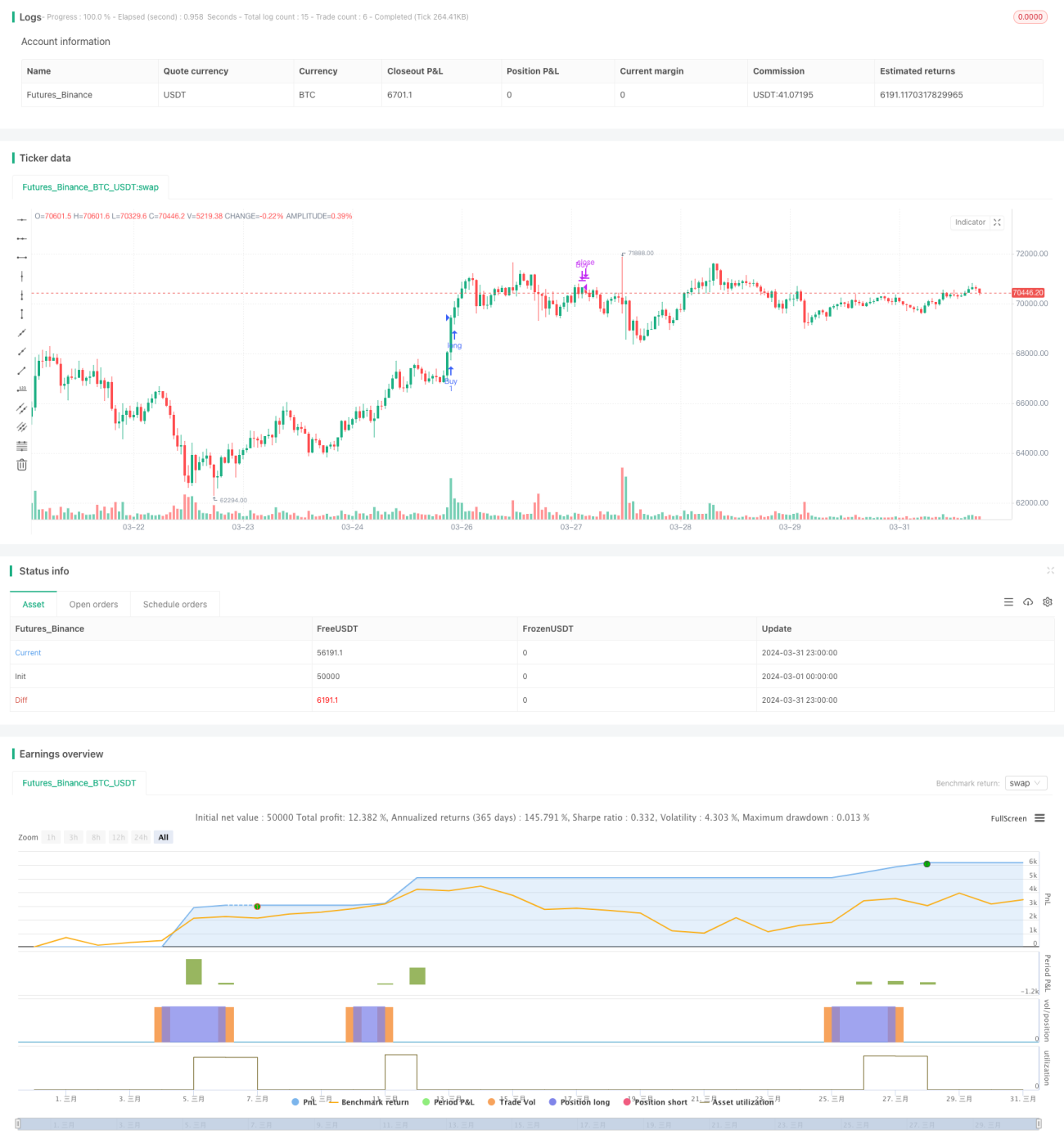
[trans]
개요
본 전략은 데이 트레이딩 기반의 확장 가능한 변동성 거래 전략입니다. 변동성, 거래량, 가격 범위, 기술적 지표 및 새로운 촉매제 등 여러 기술적 지표와 시장 조건을 결합하여 잠재적인 롱 및 숏 거래 기회를 찾습니다. 이 전략은 ATR 지표를 사용하여 시장 변동성을 측정하고, 변동성 수준에 따라 거래 여부를 결정합니다. 동시에 거래량, 가격 범위, 기술적 지표, 새로운 촉매제 등의 요소를 고려하여 거래 신호의 신뢰성을 높입니다.
전략 원리
본 전략의 핵심 원리는 시장 변동성, 거래량, 가격 범위, 기술적 지표 및 새로운 촉매제 등 여러 요소를 종합적으로 활용하여 시장 추세와 잠재적 거래 기회를 판단하는 것입니다. 구체적으로, 다음 단계를 통해 거래 신호를 생성합니다:
-
ATR 지표를 계산하여 시장 변동성을 측정합니다. 현재 ATR 값이 이전 ATR 값의 1.2배보다 크면 시장이 고변동성 상태에 있음을 나타냅니다.
-
현재 거래량이 50주기 거래량 단순이동평균보다 큰지 판단합니다. 이 조건은 거래량이 상대적으로 많을 때 거래를 수행하여 거래의 신뢰성을 높이기 위한 것입니다.
-
현재 거래일의 가격 범위(고가 - 저가)를 계산하고, 0.005보다 큰지 판단합니다. 이 조건은 가격 변동폭이 클 때 거래하여 잠재적 수익을 높이기 위한 것입니다.
-
두 개의 단순이동평균(5일 및 20일)을 사용하여 시장 추세를 판단합니다. 5일 이동평균이 20일 이동평균 위에 있으면 시장이 상승 추세임을 나타내고, 반대이면 하락 추세를 나타냅니다.
-
새로운 촉매제가 발생했는지, 즉 현재 종가가 시가보다 높은지 판단합니다. 이 조건은 새로운 호재가 발생했을 때 거래하여 성공률을 높이기 위한 것입니다.
-
위의 모든 조건이 충족되면 시장 추세(상승 또는 하락)에 따라 해당 거래 신호(매수 또는 매도)를 생성합니다.
-
롱 포지션의 경우, 빠른 이동평균이 느린 이동평균을 하향 돌파하면 청산합니다. 숏 포지션의 경우, 빠른 이동평균이 느린 이동평균을 상향 돌파하면 청산합니다.
전략 장점
-
다요소 종합 판단: 시장 변동성, 거래량, 가격 범위, 기술적 지표, 새로운 촉매제 등 여러 요소를 종합적으로 고려하여 시장 상황과 잠재적 거래 기회를 전반적으로 평가함으로써 거래 신호의 신뢰성을 높입니다.
-
적응성 우수: ATR 지표를 사용하여 시장 변동성을 측정함으로써 다양한 시장 환경에 적응할 수 있습니다. 변동성이 높을 때는 거래 조건을 자동으로 조정하여 시장 변화에 대응합니다.
-
위험 관리: 명확한 진입 및 청산 조건을 설정하여 거래 리스크를 통제하는 데 도움이 됩니다. 또한 거래량과 가격 범위 등을 고려하여 시장 유동성이 부족하거나 변동폭이 너무 작은 상황에서의 거래를 피함으로써 리스크를 더욱 낮춥니다.
-
추세 추종: 단순이동평균을 사용하여 시장 추세를 판단함으로써 시장의 주요 방향을 추적하고 추세 변화에 따라 거래 전략을 신속히 조정하여 거래 정확도를 높입니다.
-
자동매매 가능: 이 전략은 자동매매가 가능하여 인간의 개입과 감정적 영향을 줄이고 거래 효율성과 일관성을 높입니다.
전략 리스크
-
파라미터 최적화 리스크: ATR 주기, 변동성 계수, 거래량 단순이동평균 주기 등 여러 파라미터가 포함됩니다. 이러한 파라미터 선택은 전략 성능에 중요한 영향을 미치며, 부적절한 설정은 전략 무력화 또는 성과 저하로 이어질 수 있습니다. 따라서 최적의 파라미터 조합을 찾기 위해 최적화와 테스트가 필요합니다.
-
과적합 리스크: 여러 조건을 사용하여 거래 신호를 생성하므로 과적합 위험이 존재합니다. 과적합은 과거 데이터에서는 좋은 성과를 보이지만 실제 거래에서는 성과가 저조할 수 있습니다. 과적합 리스크를 줄이기 위해 샘플 외 데이터로 테스트하고 강건성 검증을 수행해야 합니다.
-
시장 리스크: 이 전략은 추세가 뚜렷하고 변동성이 높은 시장 환경에 주로 적합합니다. 시장 추세가 불분명하거나 변동성이 낮을 때는 성과가 저하될 수 있습니다. 또한 블랙스완 사건, 정책 변화 등 외부 요인에 의해 전략이 무력화될 수 있습니다.
-
거래 비용 리스크: 데이 트레이딩 전략으로 거래 빈도가 높아 슬리피지, 수수료 등 높은 거래 비용이 발생할 수 있습니다. 이러한 비용은 전략 이익을 잠식하고 전체 성과를 낮춥니다. 따라서 실제 적용 시 거래 비용의 영향을 고려하고 전략을 최적화해야 합니다.
-
유동성 리스크: 거래 신호가 거래량, 가격 범위 등 여러 조건에 의존합니다. 시장 유동성이 부족할 경우 이러한 조건이 충족되지 않아 유효한 거래 신호를 생성하지 못할 수 있습니다. 따라서 전략을 적용할 때는 유동성이 좋은 시장과 거래 대상을 선택해야 합니다.
최적화 방향
-
동적 파라미터 조정: 적응형 알고리즘이나 머신러닝 방법을 사용하여 시장 상황 변화에 따라 전략 파라미터를 자동으로 조정함으로써 다양한 시장 환경에 적응하고 전략의 강건성과 적응성을 높입니다.
-
위험 관리 도입: 손절매, 포지션 관리 등 위험 관리 조치를 전략에 도입하여 잠재적 손실을 통제합니다. 또한 변동성 조정 포지션 관리 방법을 사용하여 시장 변동성 수준에 따라 포지션 크기를 동적으로 조정함으로써 리스크를 관리할 수 있습니다.
-
거래 신호 최적화: 상대강도지수(RSI), 시장 심리 지표 등 다른 기술적 지표나 시장 요인을 도입하여 거래 신호 생성을 최적화할 수 있습니다. 또한 서포트 벡터 머신(SVM), 랜덤 포레스트 등의 머신러닝 알고리즘을 사용하여 거래 신호를 학습하고 최적화할 수 있습니다.
-
익절/손절 전략 개선: 현재 단순이동평균 교차를 청산 조건으로 사용하고 있으나, 트레일링 스탑, 변동성 손절 등 더 복잡한 익절/손절 전략을 도입하여 이익 보호와 리스크 통제를 강화할 수 있습니다.
-
시장 미시구조 분석 도입: 주문 흐름 분석, 매수/매도 호가 깊이 등 시장 미시구조 분석을 전략에 포함하여 더 많은 시장 정보를 확보하고 거래 결정의 정확도를 높입니다.
-
기본적 분석 결합: 기술적 분석과 기본적 분석을 결합하여 거시경제 지표, 산업 트렌드, 기업 재무 데이터 등을 고려함으로써 더 포괄적인 시장 정보를 확보하고 전략의 신뢰성과 강건성을 높입니다.
요약
본 전략은 다요소 분석 기반의 데이 트레이딩용 확장 가능한 변동성 거래 전략으로, 시장 변동성, 거래량, 가격 범위, 기술적 지표, 새로운 촉매제 등을 종합적으로 고려하여 롱 및 숏 거래 신호를 생성합니다. 이 전략의 장점은 적응성 우수, 명확한 위험 관리 조치, 강력한 추세 추종 능력이며, 동시에 파라미터 최적화, 과적합, 시장 리스크, 거래 비용, 유동성 등의 리스크가 존재합니다. 전략의 성능과 강건성을 더욱 향상시키기 위해 동적 파라미터 조정, 위험 관리 조치, 거래 신호 최적화, 개선된 익절/손절 전략, 시장 미시구조 분석, 기본적 분석 등의 최적화 방안을 고려할 수 있습니다. 전반적으로 이 전략은 데이 트레이딩에 실행 가능한 프레임워크를 제공하지만, 실제 적용 시 추가 최적화와 테스트가 필요합니다.
||
Overview
This strategy is an intraday scalable volatility trading strategy based on day trading. It combines multiple technical indicators and market conditions, including volatility, volume, price range, technical indicators, and new catalysts, to identify potential long and short trading opportunities. The strategy uses the ATR indicator to measure market volatility and determines whether to trade based on the level of volatility. At the same time, the strategy also considers factors such as trading volume, price range, technical indicators, and new catalysts to improve the reliability of trading signals.
Strategy Principle
The core principle of this strategy is to use multiple factors such as market volatility, trading volume, price range, technical indicators, and new catalysts to comprehensively judge market trends and potential trading opportunities. Specifically, the strategy uses the following steps to generate trading signals:
-
Calculate the ATR indicator to measure market volatility. When the current ATR value is greater than 1.2 times the previous ATR value, it indicates that the market is in a high volatility state.
-
Determine whether the current trading volume is greater than the simple moving average of the trading volume over 50 periods. This condition is used to ensure that trading is carried out when the trading volume is relatively large, to improve the reliability of trading.
-
현재 거래일의 가격 범위(최고가 - 최저가)를 계산하고 0.005보다 큰지 확인합니다. 이 조건은 가격 변동이 상대적으로 클 때 거래를 실행하여 더 많은 잠재적 수익을 얻기 위해 사용됩니다.
-
두 개의 단순 이동 평균(5일 및 20일)을 사용하여 시장 추세를 판단합니다. 5일 이동 평균이 20일 이동 평균 위에 있으면 시장이 상승 추세에 있음을 나타내고, 그렇지 않으면 시장이 하락 추세에 있음을 나타냅니다.
-
새로운 촉매가 나타났는지, 즉 현재 종가가 시가보다 높은지 확인합니다. 이 조건은 새로운 유리한 요인이 있을 때 거래를 실행하여 거래 성공률을 높이기 위해 사용됩니다.
-
위의 모든 조건이 충족되면 시장 추세(상승 또는 하락)에 따라 해당 거래 신호(매수 또는 매도)를 생성합니다.
-
매수 거래의 경우, 빠른 이동 평균이 느린 이동 평균 아래로 교차하면 포지션을 청산하고 종료합니다. 매도 거래의 경우, 빠른 이동 평균이 느린 이동 평균 위로 교차하면 포지션을 청산하고 종료합니다.
전략 장점
-
종합적인 다중 요소 판단: 이 전략은 시장 변동성, 거래량, 가격 범위, 기술적 지표, 새로운 촉매 등 여러 요소를 종합적으로 고려하여 시장 상황과 잠재적 거래 기회를 평가할 수 있으며, 거래 신호의 신뢰성을 향상시킵니다.
-
강력한 적응성: ATR 지표를 사용하여 시장 변동성을 측정함으로써 전략은 다양한 시장 환경에 적응할 수 있습니다. 변동성이 높을 때 전략은 자동으로 거래 조건을 조정하여 시장 변화에 대응합니다.
-
위험 관리: 전략은 명확한 진입 및 청산 조건을 설정하여 거래 위험을 관리하는 데 도움이 됩니다. 동시에 거래량 및 가격 범위와 같은 요소를 고려함으로써 시장 유동성이 부족하거나 변동성이 너무 작을 때 거래를 피할 수 있어 위험을 더욱 줄입니다.
-
추세 추종: 단순 이동 평균을 사용하여 시장 추세를 판단함으로써 전략은 시장의 주요 방향을 추적하고 추세 변화에 따라 적시에 거래 전략을 조정하여 거래 정확성을 높입니다.
-
자동화된 거래: 이 전략은 자동 거래를 구현할 수 있어 인간의 개입과 감정적 영향을 줄이고 거래 효율성과 일관성을 향상시킵니다.
전략 위험
-
매개변수 최적화 위험: 이 전략은 ATR 기간, 변동성 계수, 거래량의 단순 이동 평균 기간 등 여러 매개변수를 포함합니다. 이러한 매개변수의 선택은 전략 성과에 중요한 영향을 미치며, 부적절한 매개변수 설정은 전략의 실패 또는 성과 저하로 이어질 수 있습니다. 따라서 최적의 매개변수 조합을 찾기 위해 매개변수를 최적화하고 테스트해야 합니다.
-
과적합 위험: 전략은 여러 조건을 사용하여 거래 신호를 생성하므로 과적합 위험이 있을 수 있습니다. 과적합은 전략이 과거 데이터에서는 우수한 성과를 보이지만 실제 거래에서는 저조한 성과를 낼 수 있습니다. 과적합 위험을 줄이기 위해 샘플 외 데이터를 사용하여 테스트하고 전략의 견고성을 점검할 수 있습니다.
-
시장 위험: 이 전략은 주로 추세가 뚜렷하고 변동성이 높은 시장 환경에 적용됩니다. 시장 추세가 명확하지 않거나 변동성이 낮을 때는 전략 성과에 영향을 받을 수 있습니다. 또한, 블랙 스완 이벤트나 정책 변화와 같은 외부 요인에도 영향을 받아 전략이 실패할 수 있습니다.
-
거래 비용 위험: 전략은 거래 빈도가 높은 당일 거래 전략으로, 슬리피지 및 수수료와 같은 높은 거래 비용이 발생할 수 있습니다. 이러한 비용은 전략의 수익을 잠식하고 전략의 전반적인 성과를 저하시킵니다. 따라서 실제 적용 시 거래 비용의 영향을 고려하고 이에 따라 전략을 최적화해야 합니다.
-
유동성 위험: 전략의 거래 신호는 거래량, 가격 범위 등 여러 조건에 의존합니다. 시장 유동성이 충분하지 않은 경우 이러한 조건이 충족되지 않아 전략이 효과적인 거래 신호를 생성하지 못할 수 있습니다. 따라서 전략을 적용할 때는 유동성이 좋은 시장과 거래 대상을 선택해야 합니다.
최적화 방향
-
동적 매개변수 조정: 적응형 알고리즘 또는 머신러닝 방법을 사용하여 시장 상황 변화에 따라 전략 매개변수를 자동으로 조정함으로써 다양한 시장 환경에 적응하고 전략의 견고성과 적응성을 향상시키는 것을 고려합니다.
-
리스크 관리 조치 도입: 손절매 및 포지션 관리와 같은 리스크 관리 조치를 전략에 도입하여 잠재적 손실을 통제합니다. 동시에 변동성 조정 포지션 관리 방법을 사용하여 시장 변동성 수준에 따라 포지션 크기를 동적으로 조정함으로써 리스크를 통제하는 것을 고려합니다.
-
거래 신호 최적화: RSI(상대강도지수), 시장 심리 지표 등 다른 기술적 지표나 시장 요인을 도입하여 거래 신호 생성을 최적화하는 것을 고려합니다. 또한 서포트 벡터 머신(SVM), 랜덤 포레스트와 같은 머신러닝 알고리즘을 사용하여 거래 신호를 훈련하고 최적화할 수 있습니다.
-
익절 및 손절 전략 개선: 현재 전략은 단순 이동평균 교차를 사용하여 청산 조건을 결정합니다. 트레일링 스탑로스, 변동성 손절매 등 더 복잡한 익절 및 손절 전략을 고려하여 수익을 더 잘 보호하고 리스크를 통제할 수 있습니다.
-
시장 미시구조 분석 통합: 주문 흐름, 호가창 깊이 등을 분석하는 시장 미시구조 분석을 전략에 통합하여 더 많은 시장 정보를 얻고 거래 결정의 정확성을 높이는 것을 고려합니다.
-
펀더멘털 분석 결합: 거시경제 지표, 산업 동향, 기업 재무 데이터 등의 요소를 고려하여 펀더멘털 분석과 기술적 분석을 결합함으로써 더 포괄적인 시장 정보를 얻고 전략의 신뢰성과 견고성을 향상시킵니다.
요약
이 전략은 다중 요인 분석에 기반한 당일 확장 가능 변동성 거래 전략으로, 시장 변동성, 거래량, 가격 범위, 기술적 지표, 신규 촉매제 등의 요소를 종합적으로 고려하여 롱 및 숏 거래 신호를 생성합니다. 이 전략의 장점은 적응성이 뛰어나고 리스크 통제 조치가 명확하며 추세 추종 능력이 강하다는 점입니다. 동시에 다음과 같은 한계점이 있습니다...
/*backtest
start: 2024-03-01 00:00:00
end: 2024-03-31 23:59:59
period: 1h
basePeriod: 15m
exchanges: [{"eid":"Futures_Binance","currency":"BTC_USDT"}]
*/

//@version=4
strategy("Intraday Scalping Strategy with Exit Conditions", shorttitle="ISS", overlay=true)

// Define Volatility based on ATR for intraday- 1