지수 이동 평균 교차 레버리지 전략

MATIC EMA MA
생성 날짜: 2024-04-30 16:26:37 마지막으로 수정됨: 2024-04-30 16:26:37
복사: 0 클릭수: 534
avatar of ChaoZhang ChaoZhang
1
집중하다
1617
수행원

지수 이동 평균 교차 레버리지 전략

개요

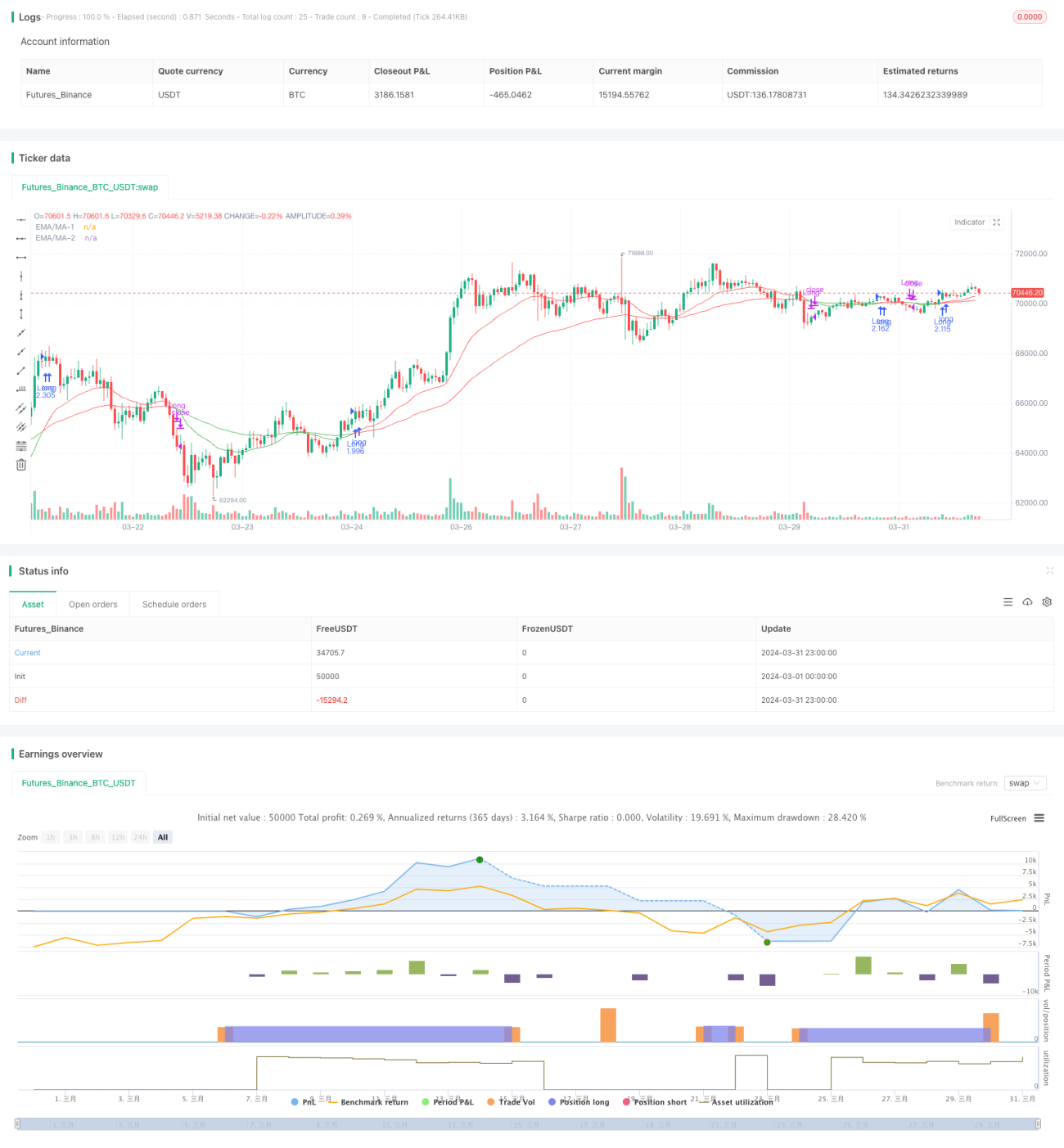
이 전략은 20일과 55일 두 지수 이동 평균 ((EMA) 의 교차를 사용하여 거래 신호를 판단한다. 단기 EMA에서 장기 EMA를 통과할 때 구매 신호를 발송하고, 반대로 판매 신호를 발송한다. 전략은 또한 레버리지 거래를 도입하여 레버리지로 수익을 확대하고 동시에 위험을 확대한다. 또한, 전략은 조건 제한을 추가하고, 두 개의 평행선이 교차한 후에만 가격이 단기 라인 평행선을 만질 때만 포지션을 열고, 가짜 신호의 위험을 줄인다. 마지막으로, 사용자는 간단한 이동 평균 ((MA) 을 EMA 대신 사용 할 수도 있습니다.

전략 원칙

  1. 20일과 55일 EMA (또는 MA) 를 계산한다.
  2. 단기 EMA가 장기 EMA를 입는지 여부를 판단하기 위해, 만약 그렇다면, readyToEnter 변수를 true로 설정하여, 출입을 준비할 수 있음을 나타냅니다.
  3. 만약 readyToEnter가 true이고 가격이 단기 EMA를 만지면, 구매를 실행하고, readyToEnter를 false로 다시 설정한다.
  4. 만약 단기 EMA 아래에서 장기 EMA를 다면, 평점이다.
  5. 레버리지를 기준으로 포지션 크기를 설정한다.
  6. 사용자 설정된 피드백 범위 내에서만 정책을 실행한다.

전략적 이점

  1. 평균선 교차는 대부분의 시장에 적합한 간단한 트렌드 판단 방법이다.
  2. 리베이트 거래를 도입하여 수익을 증대시킬 수 있습니다.
  3. 위기 신호의 위험을 줄이기 위해 조건 제한을 추가하십시오.
  4. EMA와 MA 두 가지 평선 옵션을 제공하여 사용자들의 선호도에 맞게 조정할 수 있다.
  5. 코드 구조는 명확하고 이해하기 쉽고 수정하기 쉽습니다.

전략적 위험

  1. 리버리지 거래는 위험을 증가시키고, 잘못된 판단으로 인해 큰 손실이 발생할 수 있습니다.
  2. 평균자책점 크로스에는 지연성이 존재하며, 최고의 출전 시기를 놓칠 수 있다.
  3. 유행이 뚜렷한 시장에서만 적용되며, 시장의 흔들림이 발생하면 거래가 빈번하게 이루어져 높은 수수료가 발생할 수 있습니다.

전략 최적화 방향

  1. 현재 시장에 가장 적합한 매개 변수를 찾기 위해 평균 주기를 최적화 할 수 있습니다.
  2. RSI, MACD 등과 같은 다른 지표들을 도입하여 종합적인 추세를 판단하여 승률을 높일 수 있다.
  3. 단편 거래의 위험을 제어하기 위해 스톱로스 및 스톱 스을 설정할 수 있습니다.
  4. 시장의 변동율에 따라 레버리 크기를 조정할 수 있으며, 변동시간에 레버리 크기를 늘리고, 변동시간에 레버리 크기를 줄일 수 있다.
  5. 기계 학습 알고리즘을 도입할 수 있으며, 최적화 매개 변수를 스스로 적응할 수 있다.

요약하다

이 전략은 평평선 교차와 레버리지 거래를 결합하여 시장 추세를 파악하면서 수익을 증대시킵니다. 그러나 레버리지 또한 높은 위험을 가져오고 신중하게 사용해야합니다. 또한, 이 전략에는 더 많은 지표, 동적 조정 매개 변수 등을 도입하여 전략의 성능을 향상시킬 수있는 최적화 공간이 있습니다.

전략 소스 코드
/*backtest
start: 2024-03-01 00:00:00
end: 2024-03-31 23:59:59
period: 1h
basePeriod: 15m
exchanges: [{"eid":"Futures_Binance","currency":"BTC_USDT"}]
*/

//@version=5
strategy("EMA Crossover Strategy with Leverage, Conditional Entry, and MA Option", overlay=true, default_qty_type=strategy.percent_of_equity, default_qty_value=100)

// Inputs for backtesting period
startDate = input(defval=timestamp("2023-01-01"), title="Start Date")
endDate = input(defval=timestamp("2024-04-028"), title="End Date")

// Input for leverage multiplier
leverage = input.float(3.0, title="Leverage Multiplier", minval=1.0, maxval=10.0, step=0.1)

// Input for choosing between EMA and MA
useEMA = input.bool(true, title="Use EMA (true) or MA (false)?")

// Input source and lengths for MAs
src = close
ema1_length = input.int(20, title='EMA/MA-1 Length')
ema2_length = input.int(55, title='EMA/MA-2 Length')

// Calculate the MAs based on user selection
pema1 = useEMA ? ta.ema(src, ema1_length) : ta.sma(src, ema1_length)
pema2 = useEMA ? ta.ema(src, ema2_length) : ta.sma(src, ema2_length)

// Tracking the crossover condition for strategy entry
crossedAbove = ta.crossover(pema1, pema2)

// Define a variable to track if a valid entry condition has been met
var bool readyToEnter = false

// Check for MA crossover and update readyToEnter
if (crossedAbove)
    readyToEnter := true

// Entry condition: Enter when price touches MA-1 after the crossover // and (low <= pema1 and high >= pema1)
entryCondition = readyToEnter

// Reset readyToEnter after entry
if (entryCondition)
    readyToEnter := false

// Exit condition: Price crosses under MA-1
exitCondition = ta.crossunder(pema1, pema2)

// Check if the current bar's time is within the specified period
inBacktestPeriod = true

// Execute trade logic only within the specified date range and apply leverage to position sizing
if (inBacktestPeriod)
    if (entryCondition)
        strategy.entry("Long", strategy.long, qty=strategy.equity * leverage / close)
    if (exitCondition)
        strategy.close("Long")


// Plotting the MAs for visual reference
ema1_color = pema1 > pema2 ? color.red : color.green
ema2_color = pema1 > pema2 ? color.red : color.green
plot(pema1, color=ema1_color, style=plot.style_line, linewidth=1, title='EMA/MA-1')
plot(pema2, color=ema2_color, style=plot.style_line, linewidth=1, title='EMA/MA-2')