RSI 동적 리트레이스먼트 손절매 전략

RSI MA
생성 날짜: 2024-06-07 15:47:51 마지막으로 수정됨: 2024-06-07 15:47:51
복사: 5 클릭수: 627
avatar of ChaoZhang ChaoZhang
1
집중하다
1617
수행원

RSI 동적 리트레이스먼트 손절매 전략

개요

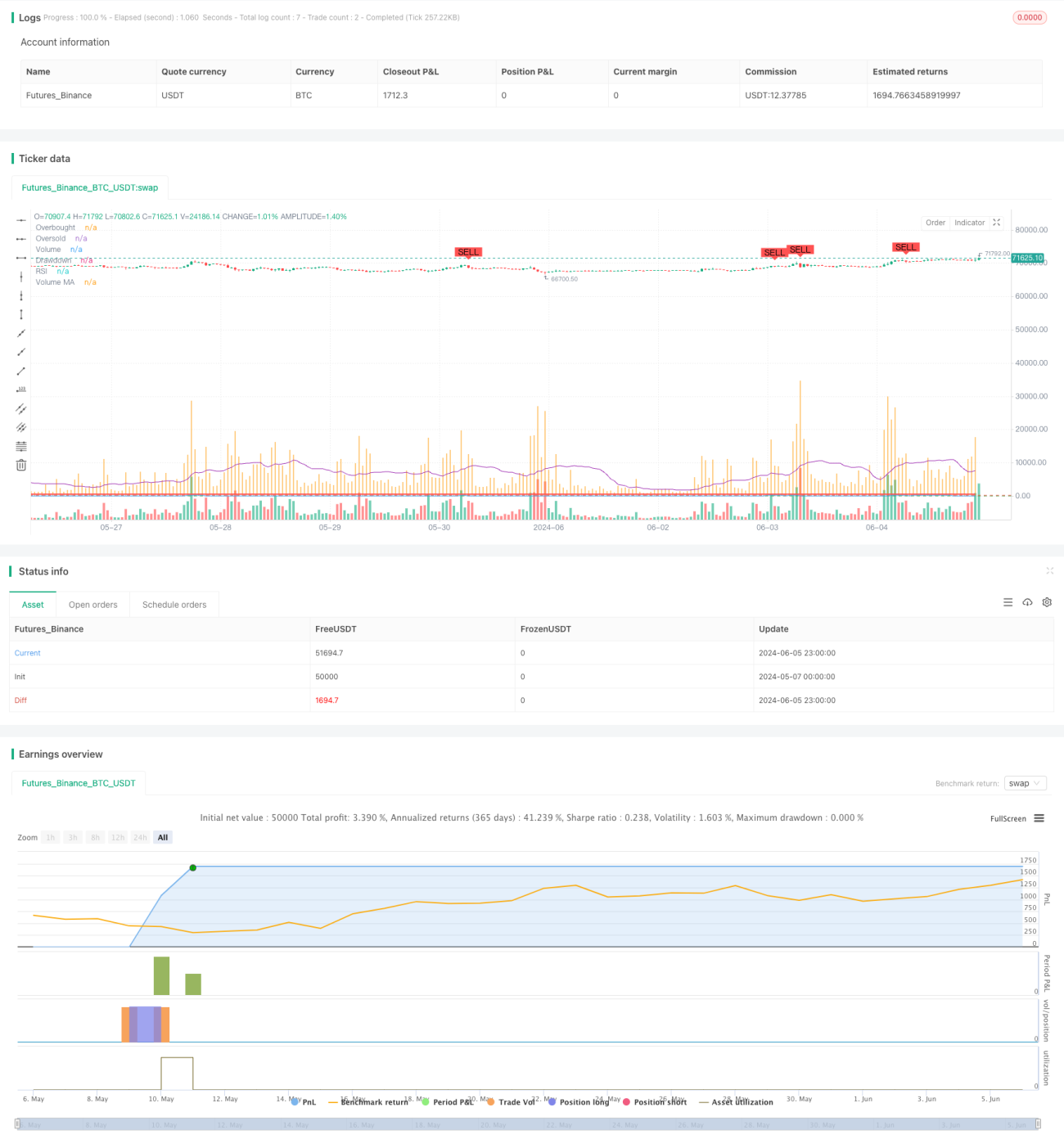
이 전략은 와이코프 방법론에 기초하여, 상대적으로 강한 지수 ((RSI) 와 거래량 이동 평균 ((Volume MA) 과 결합하여 시장의 축적 및 분배 단계를 식별하여 구매 신호를 생성한다. 동시에, 이 전략은 동적 역으로 상환 상환 값을 설정하여 위험을 제어하는 역동적 역으로 상환 상환 장치를 사용합니다.

전략 원칙

  1. RSI 지표와 거래량 이동 평균을 계산한다.
  2. RSI가 오버셀드 영역에서 위로 넘어가고 거래량이 거래량 이동 평균보다 크면 시장 축적 단계로 인식되어 구매 신호가 발생합니다.
  3. RSI가 오버 바이 영역에서 아래로 넘어가고 거래량이 거래량 이동 평균보다 많을 때, 시장 분배 단계로 인식되어 판매 신호를 생성한다.
  4. 이 전략은 계정의 최대 순액과 현재 인출을 동시에 추적한다. 현재 인출이 설정된 최대 인출 마이너스를 초과하면, 이 전략은 모든 포지션을 청산한다.
  5. 포지션을 구매할 때 배포 단계에서 또는 최대 인출을 초과할 때 청산하고, 포지션을 판매할 때 축적 단계에서 또는 최대 인출을 초과할 때 청산한다.

전략적 이점

  1. RSI와 거래량 지표와 결합하여 시장의 축적 및 분배 단계를 더 정확하게 캡처 할 수 있습니다.
  2. 동적 회수 중지 메커니즘을 사용하여 전략의 최대 회수를 효과적으로 제어하고 전략의 전반적인 위험을 줄일 수 있습니다.
  3. 5분짜리 높은 주파수 데이터에 적용하여 시장 변화에 신속하게 대응하여 적시에 포지션을 조정할 수 있습니다.

전략적 위험

  1. RSI와 거래량 지표는 특정 시장 상황에서는 잘못된 거래 결정을 초래하는 잘못된 신호를 일으킬 수 있습니다.
  2. 최대 회수수준의 설정은 시장 특성과 개인의 위험 선호도에 따라 조정되어야 하며, 부적절한 설정은 전략의 조기 청산이나 과도한 위험을 감수할 수 있다.
  3. 전략은 불안정한 시장에서 거래 신호를 자주 생성하여 거래 비용을 증가시킬 수 있습니다.

전략 최적화 방향

  1. 전략의 신호 정확도를 높이기 위해 MACD, 브린 띠 등과 같은 다른 기술 지표를 도입하는 것을 고려할 수 있습니다.
  2. RSI와 거래량 지표의 매개 변수를 최적화하여 RSI의 길이를 조정하고, 시장의 다른 상황에 맞게 초과 판매 경계를 초과합니다.
  3. 회수 중지 이외에, 이동 중지 또는 이익 보호 장치가 추가적으로 위험을 제어하고 이익을 잠금 할 수 있습니다.

요약하다

RSI 동적 회수 손해 차단 전략은 RSI와 거래량 지표를 결합하여 시장의 축적 및 배분 단계를 식별하고 동적 회수 손해 차단 장치를 사용하여 위험을 제어합니다. 이 전략은 시장 추세를 파악하는 동시에 위험 관리를 겸비하여 약간의 실용성이 있습니다. 그러나 전략의 성과는 지표 매개 변수 선택과 시장 특성에 달려 있으며 지속적인 최적화 및 조정으로 안정성과 수익성을 높여야합니다.

전략 소스 코드
/*backtest
start: 2024-05-07 00:00:00
end: 2024-06-06 00:00:00
period: 1h
basePeriod: 15m
exchanges: [{"eid":"Futures_Binance","currency":"BTC_USDT"}]
*/

//@version=5
strategy("Wyckoff Methodology Strategy with Max Drawdown", overlay=true)

// Define input parameters
length = input(14, title="RSI Length")
overbought = input(70, title="RSI Overbought Level")
oversold = input(30, title="RSI Oversold Level")
volume_length = input(20, title="Volume MA Length")
initial_capital = input(10000, title="Initial Capital")
max_drawdown = input(500, title="Max Drawdown")

// Calculate RSI
rsi = ta.rsi(close, length)

// Calculate Volume Moving Average
vol_ma = ta.sma(volume, volume_length)

// Identify Accumulation Phase
accumulation = ta.crossover(rsi, oversold) and volume > vol_ma

// Identify Distribution Phase
distribution = ta.crossunder(rsi, overbought) and volume > vol_ma

// Plot RSI
hline(overbought, "Overbought", color=color.red)
hline(oversold, "Oversold", color=color.green)
plot(rsi, title="RSI", color=color.blue)

// Plot Volume and Volume Moving Average
plot(volume, title="Volume", color=color.orange, style=plot.style_histogram)
plot(vol_ma, title="Volume MA", color=color.purple)

// Variables to track drawdown
var float max_equity = initial_capital
var float drawdown = 0.0

// Update max equity and drawdown
current_equity = strategy.equity
if (current_equity > max_equity)
    max_equity := current_equity
drawdown := max_equity - current_equity

// Generate Buy and Sell Signals
if (accumulation and drawdown < max_drawdown)
    strategy.entry("Buy", strategy.long)
if (distribution and drawdown < max_drawdown)
    strategy.entry("Sell", strategy.short)

// Plot Buy and Sell signals on chart
plotshape(series=accumulation, location=location.belowbar, color=color.green, style=shape.labelup, title="Buy Signal", text="BUY")
plotshape(series=distribution, location=location.abovebar, color=color.red, style=shape.labeldown, title="Sell Signal", text="SELL")

// Close positions if drawdown exceeds max drawdown
if (drawdown >= max_drawdown)
    strategy.close_all("Max Drawdown Exceeded")

// Set strategy exit conditions
strategy.close("Buy", when=distribution or drawdown >= max_drawdown)
strategy.close("Sell", when=accumulation or drawdown >= max_drawdown)

// Display drawdown on chart
plot(drawdown, title="Drawdown", color=color.red, linewidth=2, style=plot.style_stepline)