Fisher 변환 동적 임계값 추세 추종 전략

1
Follow
1815
Followers
개요
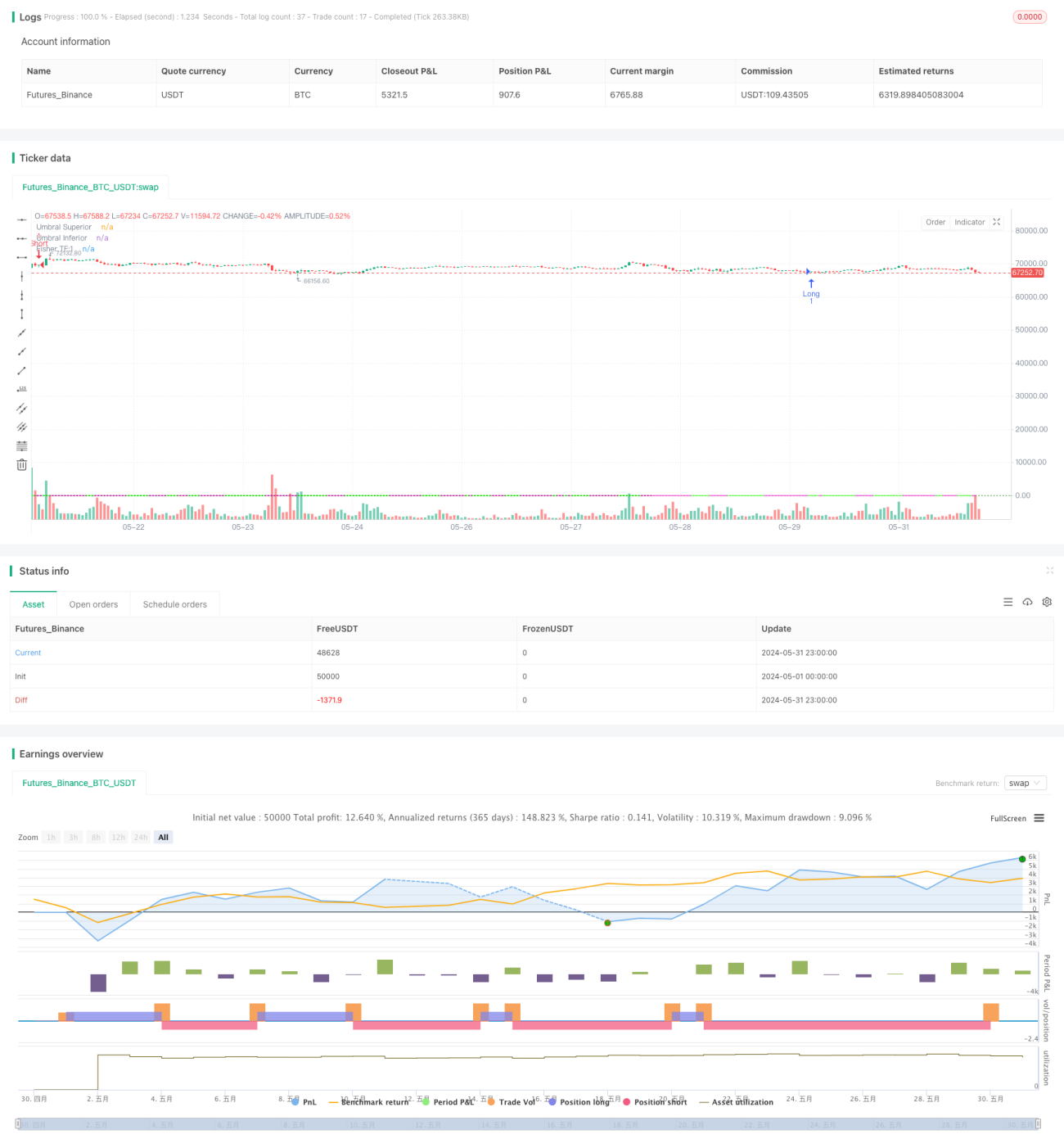
Fisher 변환 동적 임계값 추세 추종 전략은 Fisher 변환 지표를 활용하여 가격 추세의 변화를 식별합니다. 이 전략은 Fisher 변환을 사용하여 가격을 표준 척도로 정규화함으로써 잠재적인 추세 반전 지점을 더 쉽게 감지할 수 있도록 합니다. 동적 임계값을 조정함으로써 다양한 시장 상황에 적응하여 추세 식별의 정확성을 높입니다. Fisher 변환 값이 양수 또는 음수 임계값을 돌파하면 전략은 매수/매도 신호를 생성하여 시장 추세를 추종합니다.
전략 원리
- Fisher 변환 값 계산: 과거 최고가와 최저가를 기준으로 현재 가격을 정규화하여 -0.999에서 0.999 사이의 Fisher 변환 값을 얻습니다.
- 동적 임계값: Fisher 변환 값의 과거 변동성을 기반으로 매수/매도 신호의 임계값을 동적으로 조정하여 다양한 시장 상태에 대응합니다.
- 추세 판단: 현재 Fisher 변환 값을 이전 두 기간의 값과 비교하여 가격 추세의 변화를 판단합니다.
- 매수/매도 신호: Fisher 변환 값이 아래에서 위로 음수 임계값을 돌파하면 매수 신호가 발생하고, 위에서 아래로 양수 임계값을 돌파하면 매도 신호가 발생합니다.
장점 분석
- 동적 임계값 조정: 시장 변동성에 따라 매수/매도 임계값을 자동으로 조정하여 추세 판단의 정확성을 높입니다.
- 추세 추종: Fisher 변환 지표의 추세 판단을 통해 시장 추세를 잘 포착하여 추세 추종 거래를 수행할 수 있습니다.
- 가격 노이즈 감소: Fisher 변환은 가격을 정규화 처리하므로 가격 노이즈가 추세 판단에 미치는 영향을 줄이는 데 도움이 됩니다.
- 직관적인 차트 표시: 전략은 차트에 Fisher 변환 곡선과 임계값 선을 표시하여 거래자가 시장 추세와 매매 신호를 직관적으로 관찰할 수 있도록 합니다.
위험 분석
- 매개변수 최적화 위험: 전략의 성과는 Fisher 변환 기간, 동적 임계값 계산 방식 등의 매개변수 선택에 따라 달라지며, 다른 매개변수는 다른 거래 결과를 초래할 수 있습니다.
- 추세 식별 지연: Fisher 변환 지표는 가격 추세 판단에 일정한 지연성이 존재하여 일부 추세 장세를 놓칠 수 있습니다.
- 변동장에서의 성과 부진: 변동장 시장 환경에서는 잦은 추세 변화로 인해 이 전략이 많은 허위 신호를 생성할 수 있으며, 거래 성과가 좋지 않을 수 있습니다.
- 극단적 시장 상황 위험: 극단적인 시장 상황(예: 급격한 큰 폭 변화)에서는 Fisher 변환 지표가 무용지물이 되어 전략이 잘못된 거래 결정을 내릴 수 있습니다.
최적화 방향
- 매개변수 최적화: Fisher 변환 기간, 동적 임계값 계산 방식 등 핵심 매개변수를 최적화하여 다양한 시장 상태에서의 전략 적응성을 높입니다.
- 신호 필터링: 추세 식별을 기반으로 다른 기술적 지표나 시장 심리 지표를 도입하여 거래 신호에 대한 2차 확인을 수행함으로써 신호 신뢰성을 높입니다.
- 손절 및 익절: 합리적인 손절 및 익절 규칙을 설정하여 단일 거래 리스크를 통제하고 전략의 위험-수익 비율을 개선합니다.
- 포지션 관리: 시장 추세 강도, 가격 변동성 등의 요인에 따라 포지션 크기를 동적으로 조정하여 보유 리스크를 낮춥니다.
요약
Fisher 변환 동적 임계값 추세 추종 전략은 Fisher 변환 지표와 동적 임계값을 통해 가격 추세의 변화를 식별하고 다양한 시장 상태에 적응합니다. 이 전략은 시장 추세를 잘 포착하여 추세 추종 거래를 수행할 수 있습니다. 전략의 장점은 동적 임계값 조정, 가격 노이즈 간섭 감소, 직관적인 차트 표시에 있습니다. 그러나 동시에 매개변수 최적화 위험, 추세 식별 지연, 변동장에서의 성과 부진, 극단적 시장 상황 위험 등의 문제가 존재합니다. 매개변수 최적화, 신호 필터링, 손절 및 익절, 포지션 관리 등의 조치를 통해 이 전략의 견고성과 수익성을 더욱 향상시킬 수 있습니다.
Source
Pine
Strategy parameters
Related strategies
Comment
All comments (0)
No data
- 1