RSI 모멘텀과 다단계 손절매 및 손절매를 기반으로 한 지능형 적응형 거래 시스템

RSI
생성 날짜: 2024-11-12 16:12:36 마지막으로 수정됨: 2024-11-12 16:12:36
복사: 0 클릭수: 378
avatar of ChaoZhang ChaoZhang
1
집중하다
1617
수행원

RSI 모멘텀과 다단계 손절매 및 손절매를 기반으로 한 지능형 적응형 거래 시스템

개요

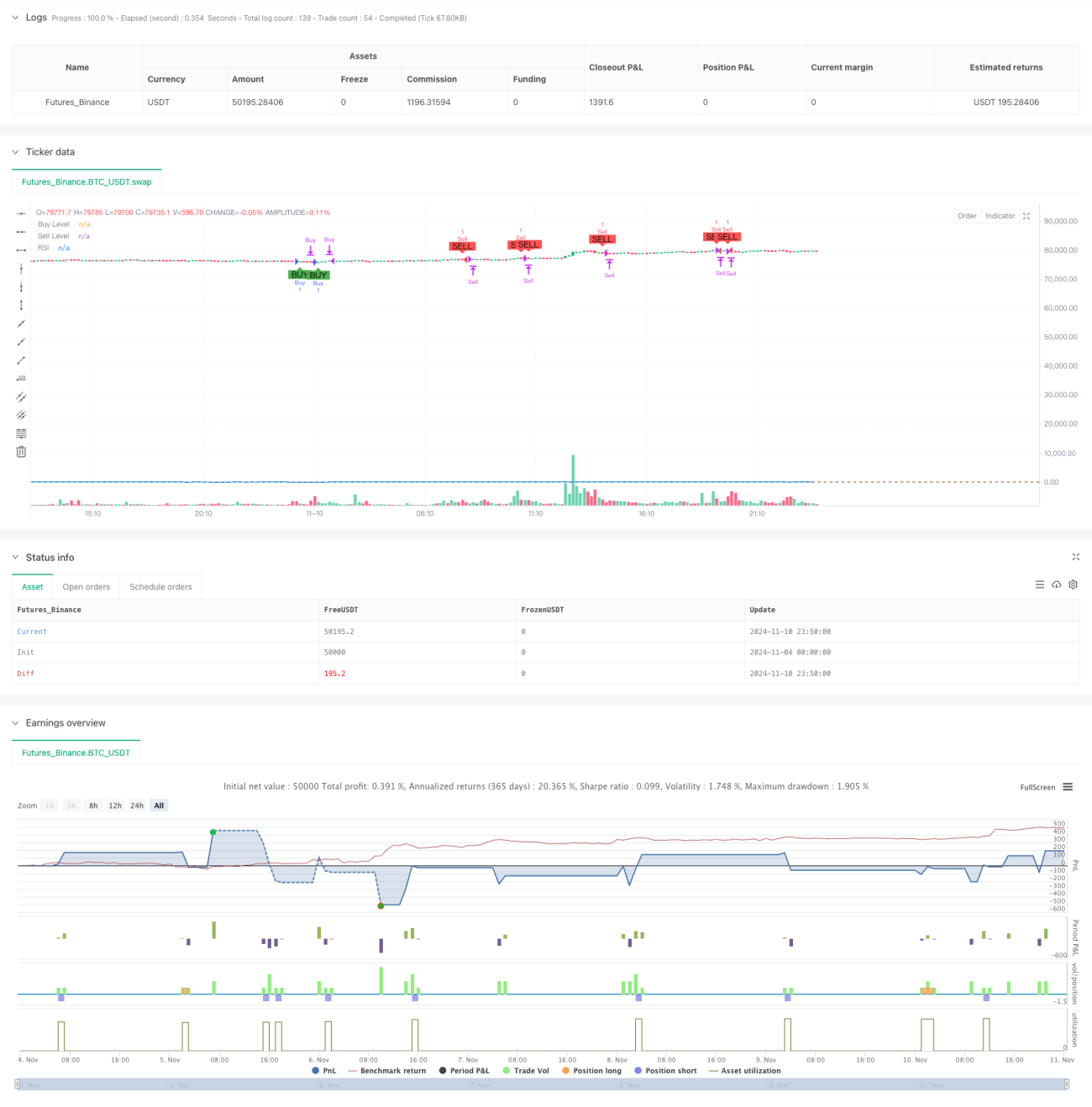
이 전략은 상대적으로 약한 지수 ((RSI) 를 기반으로 하는 자기 적응 거래 시스템으로 RSI 지표의 오버 바이 오버 소드 영역을 모니터링하여 시장 동력의 변화를 포착한다. 이 시스템은 지능적인 포지션 관리 메커니즘을 통합하고 있으며, 다단계 스톱 스톱 손실 제어와 자동 청산 포지션 기능을 포함하고 있으며, 이는 건전한 위험-수익 비율을 달성하기 위해 고안되었다.

전략 원칙

전략의 핵심은 RSI 지표에 기반한 오버 바이 오버 셀 신호이며, 여러 가지 거래 조건을 결합합니다:

  1. 입문 신호: RSI가 30위치를 넘으면 다중 신호가 발생; RSI가 70위치를 넘으면 공백 신호가 발생
  2. 위험 관리:
    • 고정된 스톱로스 (손실 100점) 와 수익 목표 (이익 150점) 를 설정합니다.
    • 실시간으로 포지션 상태를 추적하여 1방향 포지션을 보장합니다
    • 매일 15시 25분에 자동으로 청산하여 야간 위험을 피하십시오.
  3. 거래 실행: 시스템은 strategy.entry 및 strategy.close 함수를 통해 거래 지시 사항을 자동으로 실행합니다.

전략적 이점

  1. 신호 명확성: RSI 지표에 기반한 교차 신호는 명확하고, 이해하기 쉽고 실행할 수 있습니다.
  2. 더 나은 풍력 관리: 다단계 위험 제어 시스템을 통합
  3. 높은 수준의 자동화: 신호 생성에서 거래 실행에 이르기까지 전체 프로세스를 자동화
  4. 그래프에서 RSI 수평선과 구매 신호를 명확하게 보여준다.
  5. 유연성: 시장 특성에 따라 변수를 조정할 수 있습니다.

전략적 위험

  1. RSI 신호 지연은 출입 시기를 지연시킬 수 있습니다.
  2. 고정 스톱 스톱 지점은 모든 시장 환경에 적합하지 않을 수 있습니다.
  3. 단일 지표 의존성은 다른 중요한 시장 신호를 놓칠 수 있습니다.
  4. 잦은 거래로 인해 거래 비용이 높아질 수 있습니다. 추천:
  • 다른 기술 지표와 결합하여 신호 확인
  • 동적으로 정지 손실 수준을 조정
  • 거래 빈도 제한

전략 최적화 방향

  1. 지표 최적화:
    • 이동 평균과 같은 추세 지표의 증가
    • 거래량 지표 확인 신호를 추가
  2. 바람 조절 최적화:
    • 동적 정지 손실을 실현
    • 최대 회수 제어에 가입
  3. 실행 최적화:
    • 창고 개설량 관리
    • 거래 시간 관리를 최적화
  4. 변수 최적화:
    • 적응된 변수 시스템을 개발
    • 동적 RSI 마이너스

요약하다

이 전략은 RSI 지표를 통해 시장 동력의 변화를 포착하고, 완벽한 위험 관리 시스템과 함께, 완전히 자동화된 거래 시스템을 구현한다. 제한이 있지만, 제안된 최적화 방향의 개선 후, 더 안정적인 거래 성능을 달성할 것으로 기대된다. 전략의 핵심 장점은 시스템의 완전성과 자동화 정도에 있으며, 기본 프레임워크로 추가 개발 및 최적화에 적합하다.

전략 소스 코드
/*backtest
start: 2024-11-04 00:00:00
end: 2024-11-11 00:00:00
period: 10m
basePeriod: 10m
exchanges: [{"eid":"Futures_Binance","currency":"BTC_USDT"}]
*/

//@version=5
strategy("Harmony Signal Flow By Arun", overlay=true)

// RSI settings
rsiLength = 14
rsiSource = close
rsiValue = ta.rsi(rsiSource, rsiLength)

// Define RSI levels
buyLevel = 30
sellLevel = 70

// Buy signal: RSI crosses above 30
buyCondition = ta.crossover(rsiValue, buyLevel)

// Sell signal: RSI crosses below 70
sellCondition = ta.crossunder(rsiValue, sellLevel)

// Ensure only one order at a time
if (strategy.position_size == 0) // No open positions
    if (buyCondition)
        strategy.entry("Buy", strategy.long)
    else if (sellCondition)
        strategy.entry("Sell", strategy.short)

// Stop-loss and target conditions
var float stopLossBuy = na
var float targetBuy = na
var float stopLossSell = na
var float targetSell = na

if (strategy.position_size > 0) // If there's an open buy position
    stopLossBuy := strategy.position_avg_price - 100 // Set stop-loss for buy
    targetBuy := strategy.position_avg_price + 150 // Set target for buy

    if (close <= stopLossBuy)
        strategy.close("Buy", comment="Stoploss Hit")
    else if (close >= targetBuy)
        strategy.close("Buy", comment="Target Hit")

if (strategy.position_size < 0) // If there's an open sell position
    stopLossSell := strategy.position_avg_price + 100 // Set stop-loss for sell
    targetSell := strategy.position_avg_price - 150 // Set target for sell

    if (close >= stopLossSell)
        strategy.close("Sell", comment="Stoploss Hit")
    else if (close <= targetSell)
        strategy.close("Sell", comment="Target Hit")

// Close all positions by 3:25 PM
if (hour(timenow) == 15 and minute(timenow) == 25)
    strategy.close_all(comment="Close all positions at 3:25 PM")

// Plot buy/sell signals on the chart
plotshape(buyCondition, title="Buy Signal", location=location.belowbar, color=color.green, style=shape.labelup, text="BUY")
plotshape(sellCondition, title="Sell Signal", location=location.abovebar, color=color.red, style=shape.labeldown, text="SELL")

// Plot RSI and levels
hline(buyLevel, "Buy Level", color=color.green)
hline(sellLevel, "Sell Level", color=color.red)
plot(rsiValue, "RSI", color=color.blue)