RSI 동적 마감 포지션 모멘텀 트레이딩 전략

RSI
생성 날짜: 2024-11-28 14:59:20 마지막으로 수정됨: 2024-11-28 14:59:20
복사: 0 클릭수: 459
avatar of ChaoZhang ChaoZhang
1
집중하다
1617
수행원

RSI 동적 마감 포지션 모멘텀 트레이딩 전략

개요

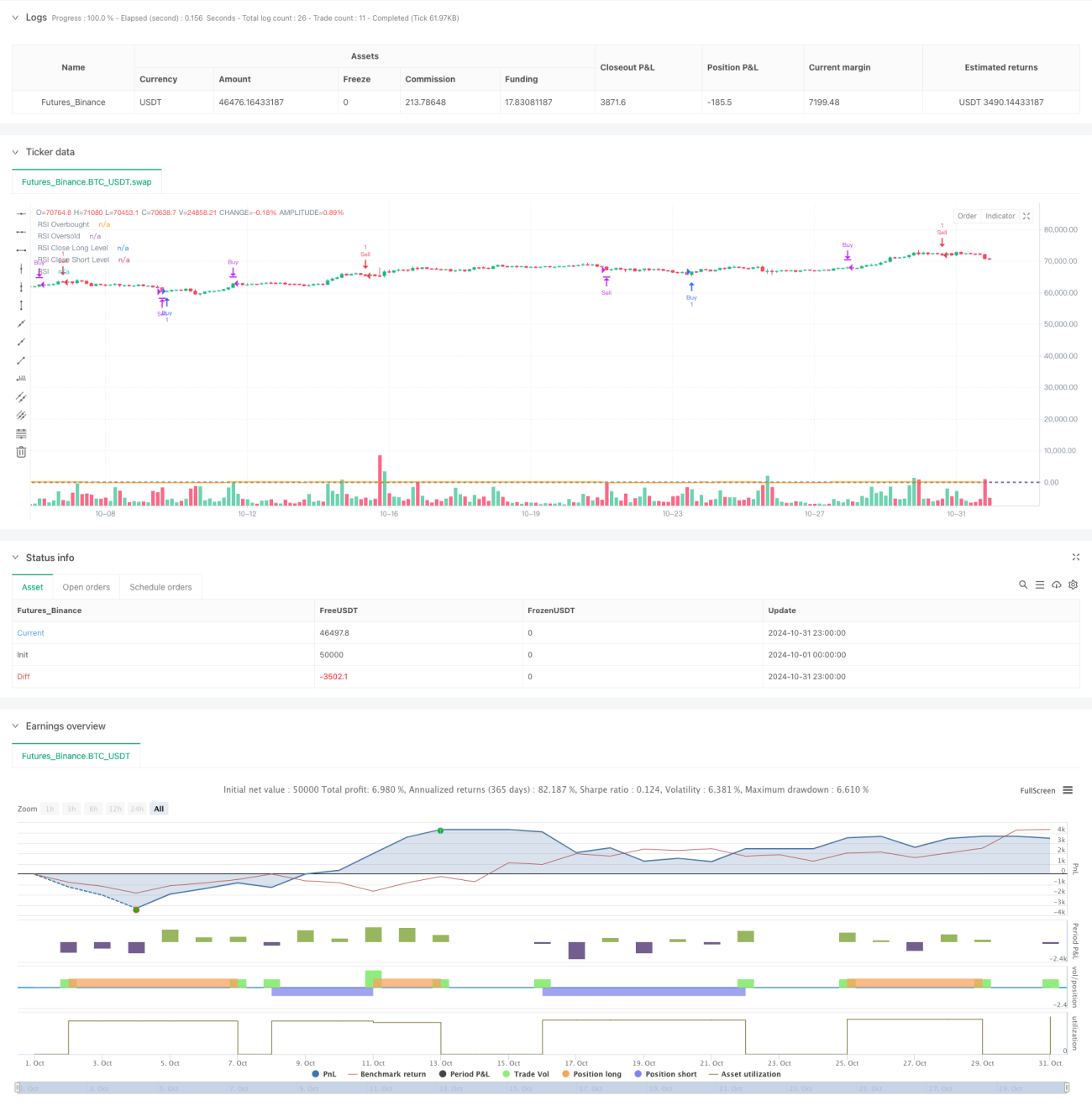
이 전략은 상대적으로 약한 지수 ((RSI) 를 기반으로 한 동적 평소 전략으로, 동적으로 상장 및 상장 조건을 설정하여 시장의 추세를 포착합니다. 이 전략은 RSI 지표가 과매매 수준을 넘어서면 거래 신호를 생성하며, 다른 RSI 수준에 평소 조건을 설정하여 거래 성능을 최적화하기 위해 독특한 동적 평소 메커니즘을 도입합니다. 이 전략은 완전한 다중 포지 거래 시스템을 사용하여 시장의 양방향 변동에서 거래 기회를 포착 할 수 있습니다.

전략 원칙

전략의 핵심 논리에는 다음과 같은 핵심 구성 요소가 포함됩니다.

  1. 신호 생성 메커니즘: RSI 지표의 초매매 초매매 레벨 ((7030) 을 주요 거래 신호로 사용한다. RSI가 상향 30을 돌파할 때 구매 신호를 생성하고, 하향 70을 돌파할 때 판매 신호를 생성한다.
  2. 포지션 관리 시스템: 전략은 단일 포지션 원칙을 채택하여, 어떤 시간에 한 방향의 포지션만 보유할 수 있도록 하며, 리스크 을 효과적으로 제어한다.
  3. 동적 평지 메커니즘: 차별화된 RSI 평지 레벨을 설정합니다. (더 많은 포지션 / 60 공백 포지션 40), 이 비대칭 디자인은 시장 추세 특성에 더 잘 적응합니다.
  4. 시각화 모듈: RSI 라인, 오버 바이, 오버 셀드 레벨, 그리고 평점 레벨을 차트에 그려서 거래자가 시장 상태를 직관적으로 이해할 수 있도록 도와줍니다.

전략적 이점

  1. 체계화된 거래: 전략이 완전히 체계화되어 주관적인 판단으로 인한 감정적 간섭이 없앨 수 있다.
  2. 위험 제어: 단일 포지션 원칙과 동적 평형 메커니즘을 통해 위험을 효과적으로 제어하십시오.
  3. 적응력: RSI 파라미터와 포지션 레벨을 시장 특성에 따라 조정할 수 있다.
  4. 양방향 거래: 상승과 하락 시장에서 거래 기회를 얻을 수 있습니다.
  5. 시각적 지원: 직관적인 그래픽은 시장 상태와 전략 논리를 이해하는 데 도움이 됩니다.

전략적 위험

  1. 흔들리는 시장 위험: 가로판 흔들리는 시장에서 거래가 자주 이루어질 수 있으며, 거래 비용을 증가시킬 수 있다.
  2. 동향이 지속될 위험이 있다: 조기 평준화하면 더 큰 동향의 기회를 놓칠 수 있다.
  3. 매개 변수 민감성: 전략의 성능은 RSI 매개 변수 및 포지션 레벨의 설정에 민감하다.
  4. 슬라이드 효과: 시장이 급격히 변동할 때 더 큰 슬라이드 위험에 직면할 수 있습니다.

전략 최적화 방향

  1. 트렌드 필터 도입: 이동 평균과 같은 트렌드 지표를 추가하여 가짜 신호를 필터링 할 수 있습니다.
  2. 동적 변수 최적화: 시장의 변동에 따라 RSI 변수 및 포지션 수준을 자동으로 조정한다.
  3. 포지션 관리를 늘리십시오: 자본 관리 모듈을 도입하여 시장의 위험도에 따라 포지션 규모를 조정하십시오.
  4. 평형 메커니즘을 최적화: 수익을 더 잘 보호하기 위해 손실 추적 기능을 추가하는 것을 고려하십시오.

요약하다

이것은 RSI 지표와 동적 평형 메커니즘을 통해 시장 기회를 포착하기 위해 합리적으로 설계된 동적 거래 전략이다. 전략의 주요 특징은 체계화도가 높고, 위험 관리가 완벽하며, 적응력이 강하다. 일부 고유한 위험이 있지만, 매개 변수 최적화 및 기능 확장으로 전략에는 여전히 큰 개선 공간이 있다. 안정적인 거래 시스템을 찾는 투자자에게는 고려할 가치가 있는 전략 프레임 워크이다.

전략 소스 코드
/*backtest
start: 2024-10-01 00:00:00
end: 2024-10-31 23:59:59
period: 3h
basePeriod: 3h
exchanges: [{"eid":"Futures_Binance","currency":"BTC_USDT"}]
*/

//@version=5
strategy("RSI Strategy with Close Levels", shorttitle="RSI Strat", overlay=true)

// RSI Input settings
rsiLength = input.int(14, title="RSI Length")
rsiOverbought = input.int(70, title="RSI Overbought Level")
rsiOversold = input.int(30, title="RSI Oversold Level")
rsiCloseLongLevel = input.int(60, title="RSI Level to Close Long Position")
rsiCloseShortLevel = input.int(40, title="RSI Level to Close Short Position")

// Calculate RSI
rsi = ta.rsi(close, rsiLength)

// Generate buy and sell signals based on RSI levels
buySignal = ta.crossover(rsi, rsiOversold)
sellSignal = ta.crossunder(rsi, rsiOverbought)

// Check if there are open positions
var bool inPosition = na
if (strategy.opentrades > 0)
    inPosition := true
else
    inPosition := false

// Open long position on buy signal if not already in a position
if (buySignal and not inPosition)
    strategy.entry("Buy", strategy.long)
    inPosition := true

// Close long position on sell signal or when RSI reaches the close long level
if (inPosition and strategy.position_size > 0 and (sellSignal or rsi >= rsiCloseLongLevel))
    strategy.close("Buy")
    inPosition := false

// Open short position on sell signal if not already in a position
if (sellSignal and not inPosition)
    strategy.entry("Sell", strategy.short)
    inPosition := true

// Close short position on buy signal or when RSI reaches the close short level
if (inPosition and strategy.position_size < 0 and (buySignal or rsi <= rsiCloseShortLevel))
    strategy.close("Sell")
    inPosition := false

// Plot buy and sell signals
//plotshape(series=buySignal, title="Buy Signal", location=location.belowbar, color=color.green, style=shape.labelup, text="BUY")
//plotshape(series=sellSignal, title="Sell Signal", location=location.abovebar, color=color.red, style=shape.labeldown, text="SELL")

// Plot RSI for visualization
hline(rsiOverbought, "RSI Overbought", color=color.red)
hline(rsiOversold, "RSI Oversold", color=color.green)
hline(rsiCloseLongLevel, "RSI Close Long Level", color=color.blue)
hline(rsiCloseShortLevel, "RSI Close Short Level", color=color.purple)
plot(rsi, title="RSI", color=color.orange)