KNN 적응형 파라미터 추세 추종 전략

1
Follow
1815
Followers
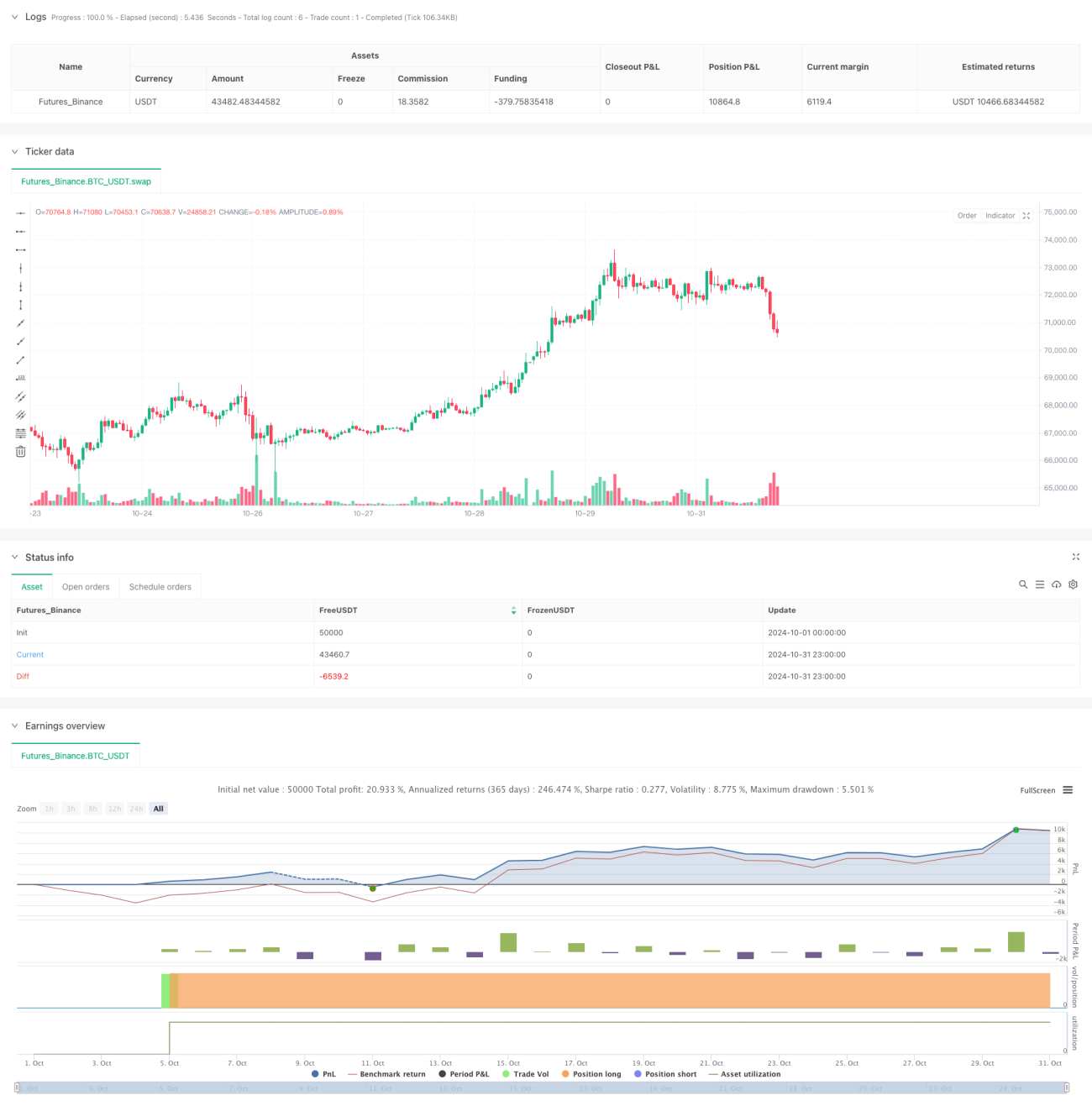
개요
본 전략은 머신러닝 알고리즘인 K-최근접 이웃(KNN)을 기반으로 한 적응형 파라미터화 추세 추종 시스템입니다. KNN 알고리즘을 통해 추세 추종 파라미터를 동적으로 조정하고, 이동평균선과 결합하여 매매 신호를 생성합니다. 시장 환경 변화에 따라 전략 파라미터를 자동으로 조정하여 적응성과 안정성을 높입니다. 이 전략은 머신러닝 방법을 활용하여 기존의 추세 추종 전략을 최적화한 것으로, 정량 투자 분야에서 기술과 혁신의 결합을 보여줍니다.
전략 원리
전략의 핵심 원리는 KNN 알고리즘을 이용해 과거 가격 데이터를 분석하고, 현재 시장 상태와 과거 데이터 간의 유사도를 계산하여 가격 움직임을 예측하는 것입니다. 구체적인 구현 단계는 다음과 같습니다:
- 관찰 기간(window) 크기와 K 값을 설정하고, 과거 가격 데이터를 수집하여 특징 벡터를 구성합니다.
- 현재 가격 시퀀스와 과거 데이터 간의 유클리드 거리를 계산합니다.
- 가장 유사한 K개의 과거 가격 시퀀스를 최근접 이웃 샘플로 선택합니다.
- 이 K개 최근접 이웃 샘플의 이후 가격 변동을 분석합니다.
- 이동평균선과 결합하여, 최근접 이웃 샘플의 평균 가격 변화를 바탕으로 매매 신호를 생성합니다.
K개 최근접 이웃 샘플의 평균 가격 변화가 양(+)이고 현재 가격이 이동평균선 위에 있을 때 시스템은 매수 신호를 생성하고, 반대의 경우에는 매도 신호를 생성합니다.
전략 장점
- 적응성 높음: KNN 알고리즘은 시장 환경 변화에 따라 파라미터를 자동으로 조정하여 전략의 적응성이 뛰어납니다.
- 다차원 분석: 머신러닝 알고리즘과 기술적 지표를 결합하여 보다 포괄적인 시장 분석 관점을 제공합니다.
- 합리적인 리스크 관리: 이동평균선을 보조 확인 도구로 사용하여 허위 신호의 영향을 줄입니다.
- 계산 로직 명확: 전략 실행 과정이 투명하여 이해와 최적화가 용이합니다.
- 파라미터 유연성: 시장 상황에 따라 K 값과 기간 크기 등 파라미터를 조정할 수 있습니다.
전략 리스크
- 계산 복잡도 높음: KNN 알고리즘은 많은 양의 과거 데이터를 계산해야 하므로 전략 실행 효율성에 영향을 줄 수 있습니다.
- 파라미터 민감도: K 값과 기간 크기의 선택이 전략 성과에 중요한 영향을 미칩니다.
- 시장 환경 의존성: 변동성이 큰 시장에서는 과거 유사성의 참고 가치가 낮아질 수 있습니다.
- 과적합 위험: 과거 데이터에 지나치게 의존하면 전략이 과적합될 수 있습니다.
- 지연 위험: 충분한 과거 데이터를 수집해야 하므로 신호가 지연될 수 있습니다.
전략 최적화 방향
- 특징 엔지니어링 최적화:
- 더 많은 기술적 지표를 특징으로 추가
- 시장 심리 지표 도입
- 특징 정규화 방법 최적화
- 알고리즘 효율성 향상:
- KD 트리 등 데이터 구조를 사용하여 최근접 탐색 최적화
- 병렬 계산 구현
- 데이터 저장 및 접근 방식 최적화
- 리스크 관리 강화:
- 손절매 및 이익 실현 메커니즘 추가
- 변동성 필터 도입
- 동적 포지션 관리 시스템 설계
- 파라미터 최적화 방안:
- 적응형 K 값 선택 구현
- 관찰 기간 크기 동적 조정
- 이동평균선 주기 최적화
- 신호 생성 메커니즘 개선:
- 신호 강도 평가 시스템 도입
- 신호 확인 메커니즘 설계
- 진입 및 청산 시점 최적화
요약
이 전략은 KNN 알고리즘을 추세 추종 거래에 혁신적으로 적용하여 머신러닝 방법으로 전통적인 기술적 분석 전략을 최적화했습니다. 높은 적응성과 유연성을 가지고 있으며 시장 환경에 따라 파라미터를 동적으로 조정할 수 있습니다. 계산 복잡도와 파라미터 민감도 등의 리스크가 존재하지만, 합리적인 최적화와 리스크 관리 조치를 통해 전략은 여전히 좋은 실용 가치를 지닙니다. 투자자는 실제 적용 시 시장 특성에 맞춰 파라미터를 조정하고 다른 분석 방법과 결합하여 거래 결정을 내리는 것이 좋습니다.
Source
Pine
/*backtest
start: 2024-10-01 00:00:00
end: 2024-10-31 23:59:59
period: 1h
basePeriod: 1h
exchanges: [{"eid":"Futures_Binance","currency":"BTC_USDT"}]
*/

//@version=6
strategy("Trend Following Strategy with KNN", overlay=true,commission_value=0.03,currency='USD', commission_type=strategy.commission.percent,default_qty_type=strategy.cash)
Strategy parameters
Related strategies
Comment
All comments (0)
No data
- 1