다중 지표 융합 적응형 트렌드 거래 전략

EMA RSI MACD supertrend ATR TP SL
생성 날짜: 2025-02-21 11:34:21 마지막으로 수정됨: 2025-02-21 11:34:21
복사: 0 클릭수: 393
avatar of ianzeng123 ianzeng123
2
집중하다
319
수행원

다중 지표 융합 적응형 트렌드 거래 전략 다중 지표 융합 적응형 트렌드 거래 전략

개요

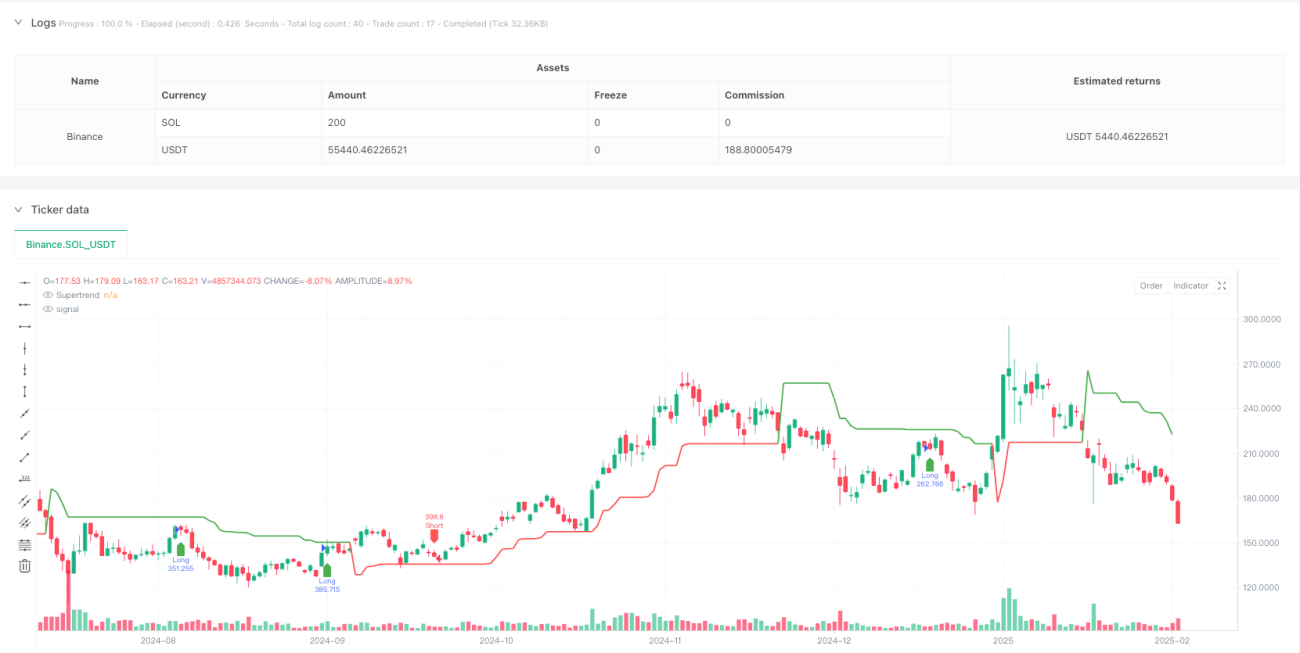
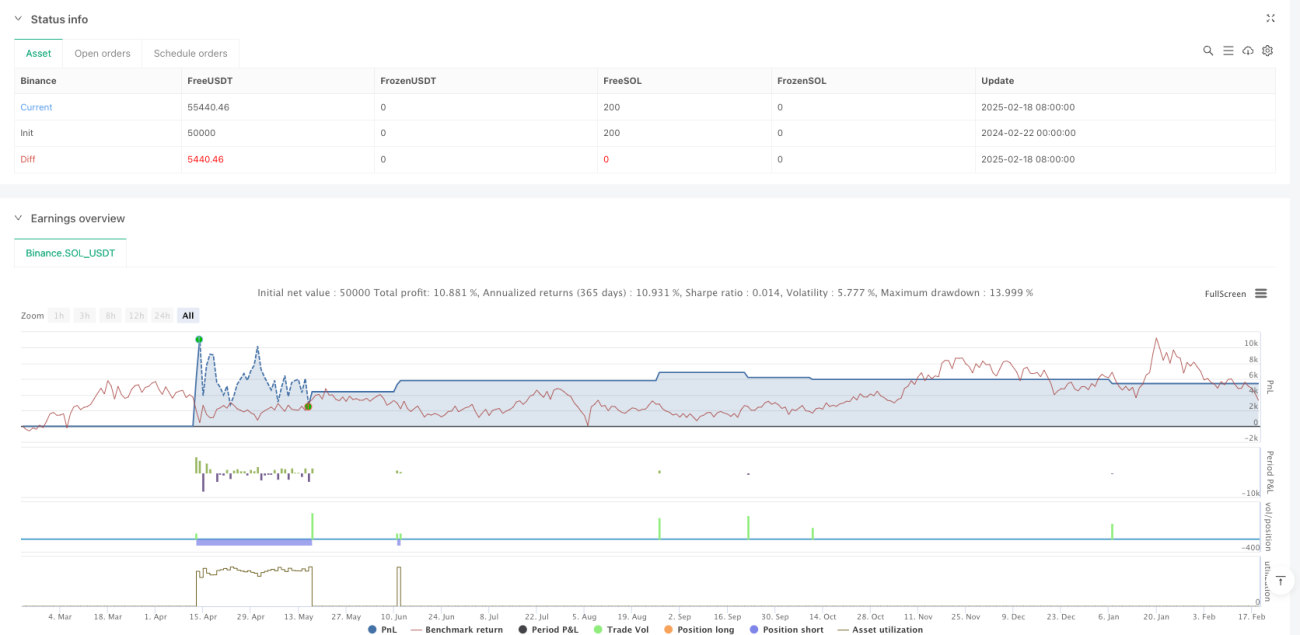
이 전략은 여러 기술 지표들을 통합한 자기 적응 트렌드 추적 거래 시스템이다. 이 전략은 평평선 시스템 ((EMA), 동력 지표 ((RSI), 트렌드 지표 ((MACD) 와 SuperTrend을 결합하여 신호를 확인하고, 정지, 중지, 이동 중지 등의 기능을 포함한 완벽한 위험 관리 메커니즘을 갖추고 있다. 전략 설계는 시장의 변동성을 충분히 고려하여 여러 신호 필터링과 위험 제어로 거래의 안정성과 신뢰성을 향상시킨다.

전략 원칙

이 전략은 여러 계층의 신호 확인 메커니즘을 사용합니다.

  1. 9주기 및 21주기 EMA의 교차를 통해 초기 트렌드 방향을 결정
  2. RSI ((14) 를 사용하여 과매매 과매매 필터링, 구매 신호 요구 RSI> 40 및 <70, 판매 신호 요구 RSI<60 및> 30
  3. MACD 지표는 트렌드 동력을 검증하고, 신호 라인이 MACD 라인 방향과 일치하도록 요구한다
  4. 수퍼트렌드 지표는 추가적인 트렌드 확인을 제공합니다.
  5. 리스크 관리는 5%의 스톱, 10%의 스톱, 2%의 추적 스톱, 1%의 보드 포지션을 사용합니다. 모든 조건이 동시에 충족되면 거래 신호가 발생하여 가짜 돌파의 위험을 효과적으로 줄입니다.

전략적 이점

  1. 다중 신호 확인 메커니즘은 가짜 신호 간섭을 현저히 감소시킵니다.
  2. 고정적 손실, 이동적 손실 및 보증적 손실을 포함하는 완벽한 위험 제어 시스템
  3. 전략은 다양한 시장 환경에 잘 적응할 수 있습니다.
  4. 출입 및 출퇴근 논리가 명확하고, 이해하기 쉽고, 유지하기 쉽다.
  5. 거래 논리는 좋은 이론적 기반을 가지고 있으며, 각 지표는 특정 기능을 가지고 있습니다.

전략적 위험

  1. 다중 신호 확인으로 인해 중요한 거래 기회를 놓칠 수 있습니다.
  2. 고정된 스톱 리스는 급격한 변동 시장에서 유연하지 않을 수 있습니다.
  3. 매개변수 최적화로 인해 과거 데이터의 과적합이 발생할 수 있습니다.
  4. 여러 지표가 수평 시장에서 혼란스러운 신호를 줄 수 있습니다. 해결책은 다음과 같습니다: 동적으로 스톱 손실 파라미터를 조정, 변동률 지표를 도입, 주기적으로 재 최적화 파라미터를 도입.

전략 최적화 방향

  1. 시장의 변동에 따라 변수를 동적으로 조정하는 적응 변수 메커니즘을 도입합니다.
  2. 보조 확인 도구로 거래량 지수를 늘립니다.
  3. ATR 기반의 동적 상쇄를 도입하여 상쇄를 최적화합니다.
  4. 시장 환경 인식 모듈을 추가하여 다른 시장 조건에서 다른 파라미터 조합을 사용합니다.
  5. 기계 학습 기반의 변수 최적화 시스템 개발

요약하다

이 전략은 다차원 기술 지표의 협동적 협동으로 안정적인 거래 시스템을 구축한다. 완벽한 위험 제어 메커니즘과 명확한 거래 논리는 좋은 실용성을 갖는다. 약간의 최적화 공간이 있지만, 전략의 기본 프레임 워크는 견고한 이론적 기반을 가지고 있으며, 지속적인 최적화 및 개선으로 거래 효과를 더욱 향상시킬 수 있다.

전략 소스 코드
/*backtest
start: 2024-02-22 00:00:00
end: 2025-02-19 08:00:00
period: 1d
basePeriod: 1d
exchanges: [{"eid":"Binance","currency":"SOL_USDT"}]
*/

//@version=5
strategy("Optimized BTC Trading Strategy v2", overlay=true, default_qty_type=strategy.percent_of_equity, default_qty_value=100, commission_type=strategy.commission.percent, commission_value=0.1)

// Input parameters
emaShort = ta.ema(close, 9)
emaLong = ta.ema(close, 21)

// RSI settings
rsi = ta.rsi(close, 14)
rsiBuyLevel = 40
rsiSellLevel = 60

// MACD settings
[macdLine, signalLine, _] = ta.macd(close, 12, 26, 9)

// Supertrend settings
factor = input.float(3, title="Supertrend Factor")
atrLength = input.int(10, title="ATR Length")
[superTrend, superTrendDirection] = ta.supertrend(factor, atrLength)

// Risk Management (Stop Loss & Take Profit)
stopLossPercent = 0.05  // 5%
takeProfitPercent = 0.10  // 10%
trailingStopPercent = 0.02  // 2% trailing stop for additional security
breakevenBuffer = 0.01  // 1% breakeven buffer

// Fetching average price once to avoid repeated calculations
var float avgPrice = na
if strategy.position_size != 0
    avgPrice := strategy.position_avg_price

// Stop Loss & Take Profit Levels
longSL = avgPrice * (1 - stopLossPercent)
longTP = avgPrice * (1 + takeProfitPercent)
shortSL = avgPrice * (1 + stopLossPercent)
shortTP = avgPrice * (1 - takeProfitPercent)
breakevenLevel = avgPrice * (1 + breakevenBuffer)

// Entry Conditions
buyCondition = ta.crossover(emaShort, emaLong) and rsi > rsiBuyLevel and rsi < 70 and (macdLine > signalLine) and superTrendDirection == 1
sellCondition = ta.crossunder(emaShort, emaLong) and rsi < rsiSellLevel and rsi > 30 and (macdLine < signalLine) and superTrendDirection == -1

// Ensure no conflicting trades
if buyCondition and strategy.position_size <= 0
    strategy.entry("Long", strategy.long)
    strategy.exit("Long Exit", from_entry="Long", limit=longTP, stop=longSL, trail_points=trailingStopPercent * avgPrice)
    strategy.exit("Breakeven", from_entry="Long", stop=breakevenLevel)

if sellCondition and strategy.position_size >= 0
    strategy.close("Long")
    strategy.entry("Short", strategy.short)
    strategy.exit("Short Exit", from_entry="Short", limit=shortTP, stop=shortSL, trail_points=trailingStopPercent * avgPrice)
    strategy.exit("Breakeven", from_entry="Short", stop=breakevenLevel)

// Plot Buy & Sell signals with trend-based color indicators
plotshape(series=buyCondition, location=location.belowbar, color=color.green, style=shape.labelup, title="BUY", size=size.small)
plotshape(series=sellCondition, location=location.abovebar, color=color.red, style=shape.labeldown, title="SELL", size=size.small)

// Trend Indicator (for better visualization)
plot(superTrend, color=superTrendDirection == 1 ? color.green : color.red, linewidth=2, title="Supertrend")