
개요
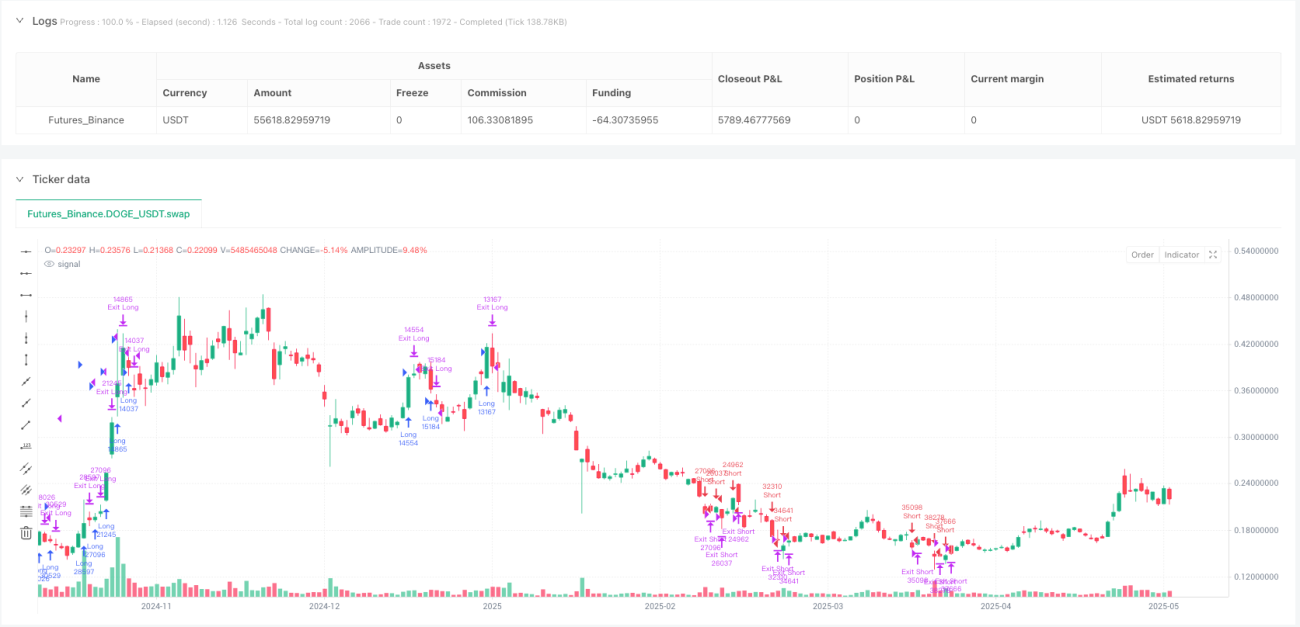
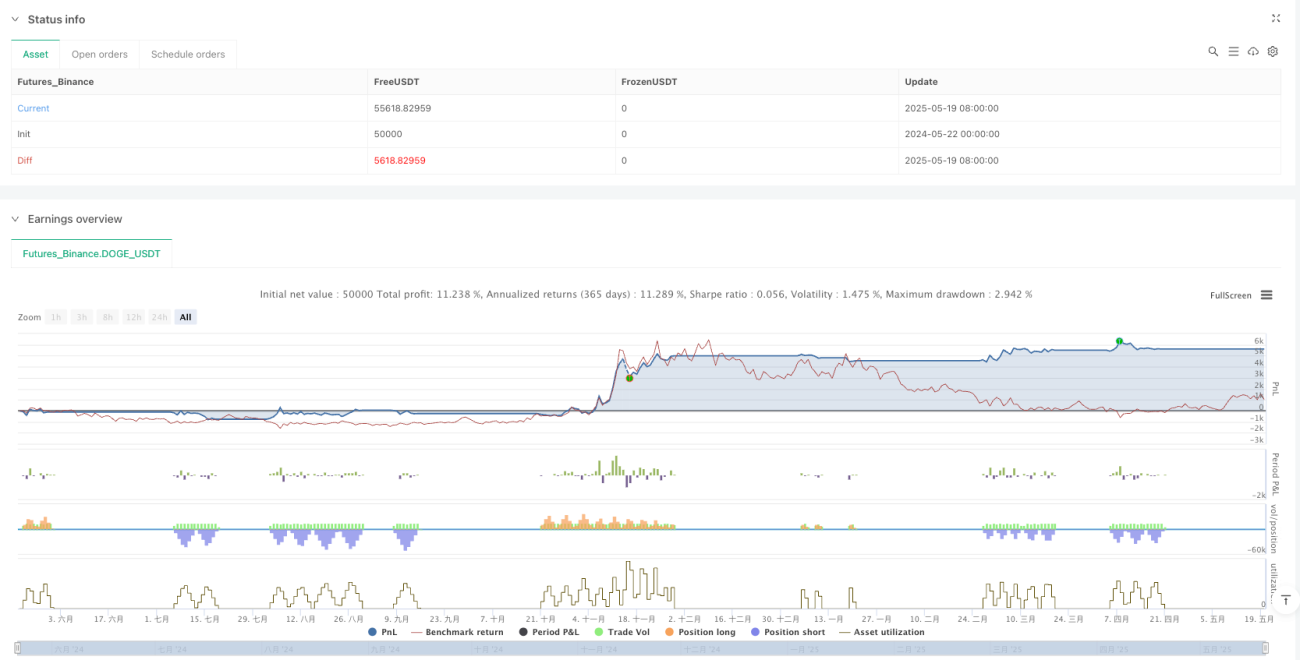
동적 피벗 돌파 추세 추종 전략은 Jesse Livermore의 피벗 돌파 기법, Ed Seykota의 추세 확인 방법, Paul Tudor Jones의 위험 관리 원칙이라는 세 명의 전설적인 트레이더의 핵심 개념을 결합한 종합적인 퀀트 트레이딩 전략입니다. 이 전략은 주요 가격 돌파 지점을 식별하고, 다중 확인 메커니즘을 통해 고확률 트레이딩 기회를 정밀하게 진입합니다. 전략의 핵심은 가격이 최근 주요 피벗 지점을 돌파할 때까지 기다리면서 추세 방향, 이동평균선 위치, 거래량 등 여러 조건이 동시에 충족되도록 하여 신호의 신뢰성을 보장하는 것입니다. 동적 ATR(평균 진폭)을 사용하여 손절 및 트레일링 스탑을 관리함으로써 위험을 통제하면서 수익 잠재력을 극대화합니다.
전략 원리
전략은 다계층 기술 분석 프레임워크 위에 구축됩니다. 먼저, 전략은 피벗 고점과 저점을 사용하여 주요 지지 및 저항 수준을 식별하는데, 이러한 위치는 시장의 중요한 심리적 가격대를 나타냅니다. 가격이 이 중요한 지점을 돌파할 때는 새로운 추세의 시작이나 기존 추세의 지속을 예고하는 경우가 많습니다. 매수 신호의 경우, 전략은 종가가 최근 피벗 고점을 돌파하고 가격이 50기 EMA 위에 있으며, 동시에 20기 EMA가 200기 EMA보다 높아 상승 추세를 확인해야 합니다. 거래량 확인 메커니즘은 현재 거래량이 20기 거래량 이동평균을 초과해야 하며, 이는 돌파에 충분한 시장 참여도가 있음을 의미합니다. 매도 신호의 논리는 반대로, 가격이 피벗 저점을 하향 돌파하고 주요 EMA 아래에 있으며, 추세가 하락하고 거래량이 증가해야 합니다. 손절 메커니즘은 ATR의 3배를 초기 손절 거리로 사용하며, 트레일링 스탑은 ATR의 2배를 오프셋으로 사용합니다. 이러한 동적 조정은 위험 관리의 효과를 보장합니다.
전략 장점
이 전략은 여러 가지 뚜렷한 장점을 가지고 있습니다. 첫째, 다중 확인 메커니즘은 단일 지표로 인해 발생할 수 있는 가짜 신호를 방지하여 거래 신호의 정확성을 크게 향상시킵니다. 피벗 돌파와 추세 확인, 거래량 검증의 결합은 완전한 신호 필터링 시스템을 형성합니다. 둘째, 동적 ATR 위험 관리 시스템은 시장 변동성에 따라 손절 및 트레일링 스탑 수준을 자동으로 조정하여 다양한 시장 환경에서 위험 관리 효과를 보장합니다. 전략의 추세 추종 특성은 주요 시장 움직임을 포착할 수 있게 하며, 트레일링 스탑 메커니즘은 수익을 고정시키고 수익이 지속되도록 돕습니다. 또한, 이 전략은 세 명의 트레이딩 대가의 정수를 융합하여 깊은 이론적 기반과 실전 검증을 갖추고 있습니다. 거래량 확인 메커니즘은 돌파의 유효성을 보장하여 가짜 돌파의 함정을 피할 수 있습니다. 전략의 매개변수화 설계는 다양한 시장 조건과 거래 종목에 적응할 수 있게 합니다.
전략 위험
전략이 세심하게 설계되었지만 몇 가지 잠재적 위험이 있습니다. 첫째, 박스권 시장에서는 잦은 가짜 돌파가 발생하여 연속적인 소액 손실을 초래할 수 있습니다. 다중 확인 메커니즘이 이러한 상황을 줄이는 데 도움이 되지만 완전히 피할 수는 없습니다. 둘째, 전략은 추세 시장의 존재에 의존하므로 장기 횡보 국면에서는 성과가 좋지 않을 수 있습니다. 피벗 포인트 식별에는 일정한 시차가 있어 초기 추세 기회를 놓칠 수 있습니다. ATR 기반 손절은 극단적인 변동성 시장에서 너무 느슨하거나 너무 타이트할 수 있습니다. 전략의 다중 조건 요구는 특히 급변하는 시장에서 일부 유효한 거래 기회를 놓칠 수 있습니다. 매개변수 설정의 민감성도 고려해야 할 요소이며, 부적절한 매개변수는 전략 성과에 영향을 미칠 수 있습니다. 이러한 위험을 줄이기 위해 다양한 시장 환경에서 충분한 백테스트를 수행하고 매개변수를 최적화하며, 다른 전략과 결합하여 위험을 분산하는 것이 좋습니다.
전략 최적화 방향
전략은 성능을 향상시키기 위해 여러 최적화 방향이 있습니다. 먼저, 시장 변동성과 추세 강도에 따라 EMA 기간과 ATR 배수를 동적으로 조정하는 적응형 매개변수 시스템을 도입할 수 있습니다. 이는 전략이 다양한 시장 환경에 더 잘 적응하도록 할 것입니다. 둘째, 시장 상태 식별 모듈을 추가하여 추세 시장과 박스권 시장을 구분하고 각 상태에 따라 다른 트레이딩 로직을 적용할 수 있습니다. 거래량 분석은 더 세분화될 수 있습니다. 예를 들어, 거래량 가격 추세 분석이나 상대 거래량 지표를 도입할 수 있습니다. RSI, MACD 또는 볼린저 밴드와 같은 추가 기술 지표를 보조 확인 수단으로 추가할 수 있습니다. 위험 관리 측면에서는 분할 매수 및 분할 청산 메커니즘을 구현하거나 계정 자산에 따라 포지션 크기를 동적으로 조정할 수 있습니다. 또한, 다중 시간 프레임 분석 기능을 개발하여 상위 시간 프레임에서 추세 방향을 확인하고 하위 시간 프레임에서 정확한 진입점을 찾을 수 있습니다. 머신러닝 기술의 적용도 유망한 방향으로, 매개변수 선택이나 신호 예측을 최적화하는 데 사용할 수 있습니다.
요약
동적 피벗 돌파 추세 추종 전략은 종합적이고 이론적 기반이 탄탄한 퀀트 트레이딩 전략입니다. 이는 고전적인 기술 분석 개념과 현대적인 위험 관리 기술을 성공적으로 결합하여 비교적 완전한 트레이딩 시스템을 형성합니다. 전략의 다중 확인 메커니즘, 동적 위험 관리 및 추세 추종 특성은 적절한 시장 환경에서 좋은 수익 잠재력을 제공합니다. 그러나 트레이더는 이 전략을 사용할 때 특히 박스권 시장에서의 한계를 충분히 이해해야 합니다. 지속적인 최적화와 개선을 통해 이 전략은 퀀트 트레이딩 분야에서 중요한 역할을 할 수 있습니다. 이 전략을 성공적으로 적용하는 핵심은 충분한 백테스트 검증, 합리적인 매개변수 설정 및 시장 환경에 대한 깊은 이해에 있습니다.
/*backtest
start: 2024-05-22 00:00:00
end: 2025-05-20 08:00:00
period: 1d
basePeriod: 1d
exchanges: [{"eid":"Futures_Binance","currency":"DOGE_USDT"}]
*/

//@version=6
strategy("Livermore-Seykota Breakout Strategy", overlay=true, pyramiding=0, default_qty_type=strategy.percent_of_equity, default_qty_value=10)

// ----- Inputs ------ 1