QFL, ATR, PANIC-SELL, REBOUND, MEAN-REVERSION
금융 시장의 피의 폭풍우 속에서, 소매 투자자들이 공포에 휩싸여 미친듯이 매각을 할 때, 항상 침착한 거래자들이 몰래 배열되어 있다. 그들은 추락을 쫓는 것이 아니라, 특별한 순간을 기다리는 시장의 극심한 공포를 쫓고 있다. 이것이 잭슨의 Quickfingersluc (QFL) 전략의 핵심 철학이다: 다른 사람들이 두려워할 때 탐욕한다.
QFL 전략은 단순한 역으로 생각하는 것이 아니라, 시장에서 가장 가치있는 거래 기회를 포착하기 위해 노력하는 정교한 계량 시스템입니다. 이 전략의 이름은 시장 붕괴 시 빠르게 사기를 하는 전설적인 거래자의 별명에서 따왔다.
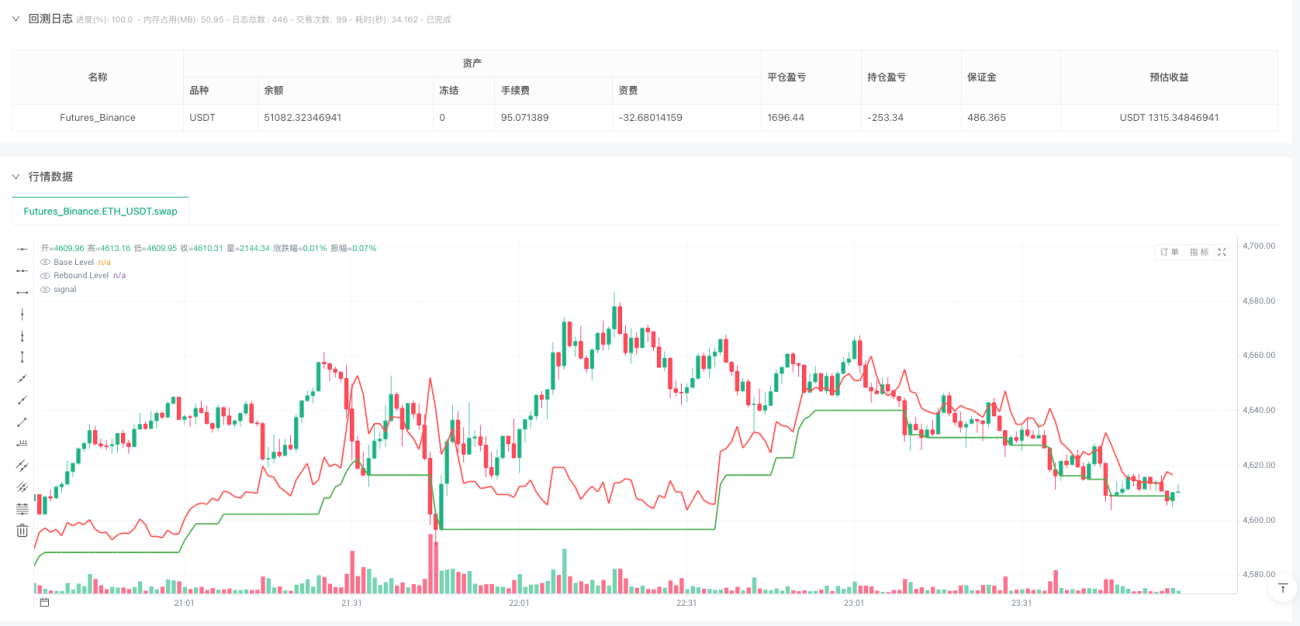
QFL 전략의 핵심은 두 가지 중요한 가격 수준을 식별하는 것입니다. 기준 수준 (Base Level) 과 반발 수준 (Rebound Level). 기준 수준은 역사적으로 가장 낮은 종결 가격을 분석하여 계산하여 비교적 안전한 지원 영역을 나타냅니다. 반발 수준은 최근 가격 변동 범위를 기반으로 수익을 창출하기 위해 참조를 제공합니다.
더욱 정교하게, 이 전략은 ATR (Average True Rate) 을 도입하여 공포적 인 판매를 식별합니다. ATR의 특정 배수를 초과하는 가격 변동이 있을 때, 시스템은 시장의 비정상적인 변동이 있다고 판단하며, 이는 종종 공포의 감정이 풀려납니다. 이 디자인은 정상적인 시장 조정에 너무 일찍 진입하는 것을 피하고, 진정한 시장 불균형을 포착하는 데 초점을 맞추고 있습니다.
전략은 또한 냉각 기간 메커니즘을 설정하여 짧은 시간에 자주 거래되는 것을 방지합니다. 이 디자인은 시장의 심리에 대한 깊은 이해를 나타냅니다. 진정한 공황 판매는 충분히 풀기 위해 시간이 걸리고 너무 자주 거래하면 최적의 시기를 놓칠 수 있습니다.
QFL 전략은 세 가지 다른 수익결제 방법을 제공하며, 각 것은 서로 다른 위험 선호와 시장에 대한 이해에 대응한다:
평균 가격 모형안정적인 수익을 추구하는 거래자들에게 적합하다. 모든 지분을 보유하는 평균 비용을 계산함으로써, 이 방법은 단일 거래의 영향을 평형화하고, 시기를 선택하는 압력을 줄일 수 있다.
첫 번째 입학 모드더 급진적이면 첫 거래가 수익 목표를 달성하면 모든 거래가 청산됩니다. 이 방법은 시장의 타이밍에 대한 확신을 가진 거래자에게 적합하며, 이익을 빠르게 고정 할 수 있습니다.
분량 청산 모드가장 세밀하게, 각 독립된 포지션을 관리할 수 있다. 이 방법은 변동성이 큰 시장에서 특히 효과적이며, 가격의 여러 번의 반발을 최대한 활용할 수 있다.
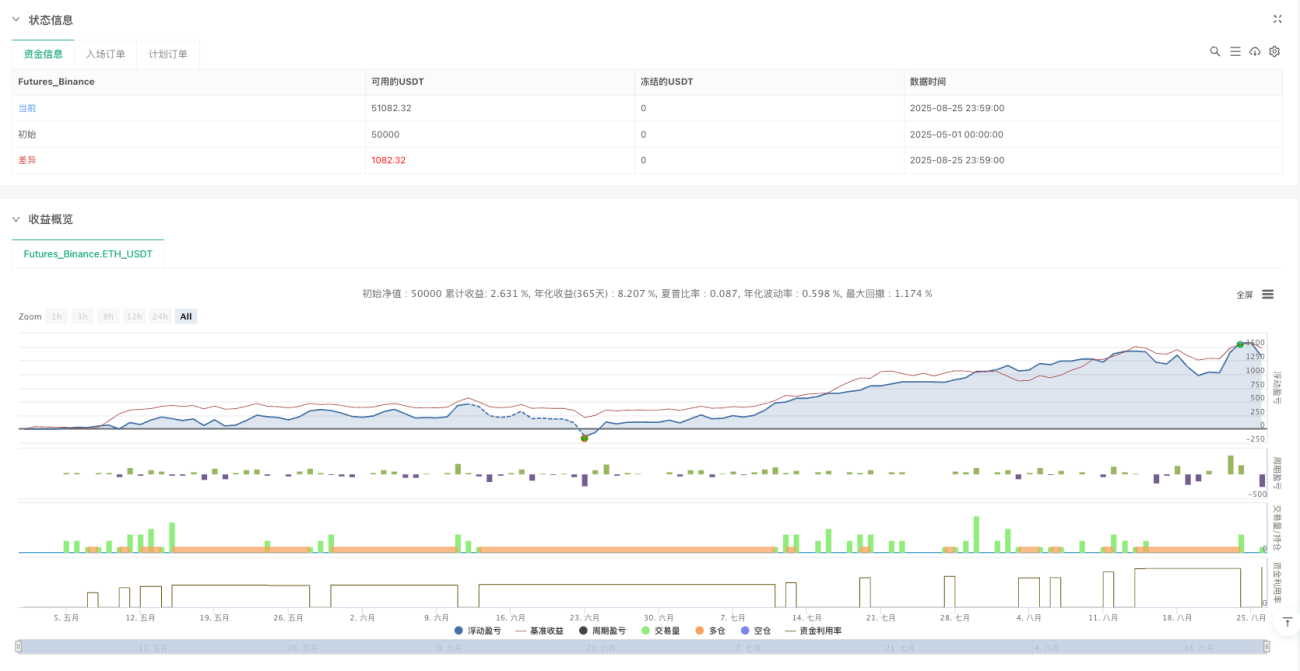
재검토 데이터에서 볼 때, QFL 전략은 다양한 시장 환경에서 좋은 적응력을 보여준다. 추세 하향 시장에서 전략은 여러 가지 기술적 인 반동을 잡을 수 있으며, 단일 수익은 제한적일 수 있지만, 승률은 상대적으로 높다.
그러나 전략에는 분명한 한계가 있습니다. 강력한 상승 추세에서 공포 판매의 기회는 상대적으로 적고 전략의 거래 빈도는 현저히 감소합니다. 또한, 극단적인 체계적 위험 사건에서 전통적인 기술적 분석은 실패 할 수 있으며, 기준 수준은 빠르게 뚫릴 수 있습니다.
QFL 전략의 위험 관리는 여러 차원에서 나타난다. 첫째, ATR을 통해 공포 식별의 민감도를 동적으로 조정하여 전략이 다양한 시장 변동 환경에 적응할 수 있도록 한다. 둘째, 냉각 기간 메커니즘은 과도한 거래를 효과적으로 방지하고 자금 안전을 보호한다.
더욱 중요한 것은, 전략의 막기 메커니즘은 탐욕과 공포를 재치 있게 균형을 맞추고 있다. 전략은 수익 목표와 반발 확인을 동시에 요구함으로써, 조기 퇴장을 피하고 동시에 수익의 큰 철수를 방지한다.
시장 구조의 지속적인 변화와 함께 QFL 전략은 지속적인 최적화가 필요합니다. 기계 학습 기술의 도입은 공포를 식별하는 정확성을 향상시킬 수 있으며 감정 지표의 결합은 전략의 예측 능력을 향상시킬 수 있습니다.
또한, 현대 시장의 높은 주파수 특성을 고려하면, 전략은 더 짧은 시간 프레임 내에서 작동해야 할 수 있으며, 이는 매개 변수에 대한 적절한 조정과 최적화를 요구합니다.
QFL 전략의 진정한 가치는 수익성뿐만 아니라 시장의 가장 어두운 순간에 이성을 유지하고 대중이 두려워 할 때 용기를 발휘하는 거래 철학을 구현합니다. 이러한 역 사고의 정량적 구현은 현대 거래자에게 금융 시장을 이해하고 참여하는 데 독특한 관점을 제공합니다.
/*backtest
start: 2025-05-01 00:00:00
end: 2025-08-26 00:00:00
period: 1m
basePeriod: 1m
exchanges: [{"eid":"Futures_Binance","currency":"ETH_USDT","tradesMode":"1"}]
*/
//@version=6
strategy("Jackson Quickfingersluc (QFL) Strategy", overlay=true)
// Parameters
baseLevelMultiplier = input.float(1, title="Base Level Multiplier", minval=0.1, maxval=1.0, step=0.05)
reboundMultiplier = input.float(0.8, title="Rebound Level Multiplier", minval=0.0001, maxval=1.0, step=0.01) // Multiplier for range of past candles
lookBackPeriod = input.int(50, title="Look-back Period", minval=10)
atrPeriod = input.int(14, title="ATR Period", minval=1)
atrMultiplier = input.float(1.2, title="Panic Sell ATR Multiplier", minval=0.1, maxval=5.0, step=0.1) // Multiplier for ATR threshold
panicSellPercentage = input.float(0.005, title="Panic Sell Percentage Below Base Level", step=0.0001) // Percentage below base level for panic sell
exitProfitThreshold = input.float(0.01, title="Exit Profit Threshold", minval=0.001, maxval=0.1, step=0.001) // Minimum profit threshold (e.g., 1%)
takeProfitOption = input.string("avg_price", title="Take Profit Option", options=["avg_price", "first_entry", "each_position"]) // TP option selection
rangeBars = input.int(3, title="Number of Bars for Range Calculation", minval=1) // Input for number of bars for range calculation
cooldownBars = input.int(5, title="Cooldown Period (Bars)", minval=1) // Input for cooldown period after a buy
// Calculate Base Level
lowestClose = ta.lowest(close, lookBackPeriod)
baseLevel = lowestClose[1] * baseLevelMultiplier
// Calculate Rebound Level as a multiplier of the range of the last 'rangeBars' bars
rangeLastBars = ta.highest(high, rangeBars) - ta.lowest(low, rangeBars)
reboundLevel = reboundMultiplier * rangeLastBars + baseLevel
// Plotting base and rebound levels
plot(baseLevel, color=color.green, linewidth=2, title="Base Level")
plot(reboundLevel, color=color.red, linewidth=2, title="Rebound Level")
// Calculate ATR
atrValue = ta.atr(atrPeriod)
// Factorial average and panic sell movement calculation
var bool panicSellMovement = false
// Loop through each range and check for panic sell condition
for bar_i = 1 to rangeBars+1
currentBarRange = high[bar_i - 1] - low[bar_i - 1] // Current bar range
rangeOfLastXBars = ta.highest(high, bar_i) - ta.lowest(low, bar_i) // Range of the last `bar_i` bars
// Condition 1: Check if the average range of the last `bar_i` bars exceeds ATR multiplier
if (rangeOfLastXBars / bar_i) > atrMultiplier * atrValue
panicSellMovement := true
break // Exit the loop immediately
// Condition 2: Check if the current bar range exceeds ATR multiplier
if currentBarRange > atrMultiplier * atrValue
panicSellMovement := true
break // Exit the loop immediately
// Define the adjusted base level threshold for panic sell (base level - percentage)
panicSellThreshold = baseLevel[0] * (1 - panicSellPercentage)
// Define panic sell condition with base level check and the panic sell percentage threshold
isPanicSell = low < panicSellThreshold and panicSellMovement
// Define rebound condition
isRebound = close > reboundLevel
// Track the last entry bar index
var float lastEntryBar = na
// Store entry prices for each position in an array
var float[] entryPrices = na
var float[] entrySizes = na
bool exit_cond = false
if (na(entryPrices))
entryPrices := array.new_float(0)
if (na(entrySizes))
entrySizes := array.new_float(0)
// Strategy to simulate buys and sells (for backtesting purposes)
entry_cond = isPanicSell and (na(lastEntryBar) or (bar_index - lastEntryBar) > cooldownBars)
if entry_cond
strategy.entry("Buy", strategy.long)
lastEntryBar := bar_index // Set last entry bar to current bar index
// Store the entry price and size for this new position
array.push(entryPrices, close)
array.push(entrySizes, strategy.position_size)
isTakeProfitCondition(entryPrice) =>
profitPercentage = (close - entryPrice) / entryPrice
profitCondition = profitPercentage >= exitProfitThreshold
reboundCondition = isRebound
profitCondition and reboundCondition
// Check TP condition based on selected option
if takeProfitOption == "avg_price"
avgEntryPrice = strategy.position_avg_price
if isTakeProfitCondition(avgEntryPrice)
exit_cond := true
strategy.close("Buy")
else if takeProfitOption == "first_entry"
firstEntryPrice = strategy.opentrades.entry_price(0)
if isTakeProfitCondition(firstEntryPrice)
exit_cond := true
strategy.close("Buy")
else if takeProfitOption == "each_position"
// Ensure we only check when there is at least one entry
if array.size(entryPrices) > 0
// Loop until there are no more entries left
i = 0
while i < array.size(entryPrices)
entryPrice = array.get(entryPrices, i)
positionSize = array.get(entrySizes, i)
// Check profit condition for each position
if isTakeProfitCondition(entryPrice)
exit_cond := true
// Remove the entry price and size from the arrays once the position is closed
array.remove(entryPrices, i)
array.remove(entrySizes, i)
strategy.close("Buy", qty=positionSize) // Close only the position that reached the target
else
// Only increment the index if the current entry is not closed
i := i + 1
// Trigger BUY alert
if entry_cond
alert("BUY ALERT: Panic Sell condition triggered", alert.freq_once_per_bar)
// Trigger SELL alert
if exit_cond
alert("SELL ALERT: Exit condition met (take profit or rebound)", alert.freq_once_per_bar)