Estratégia de Momentum com Sistema de Duplo Rastreamento

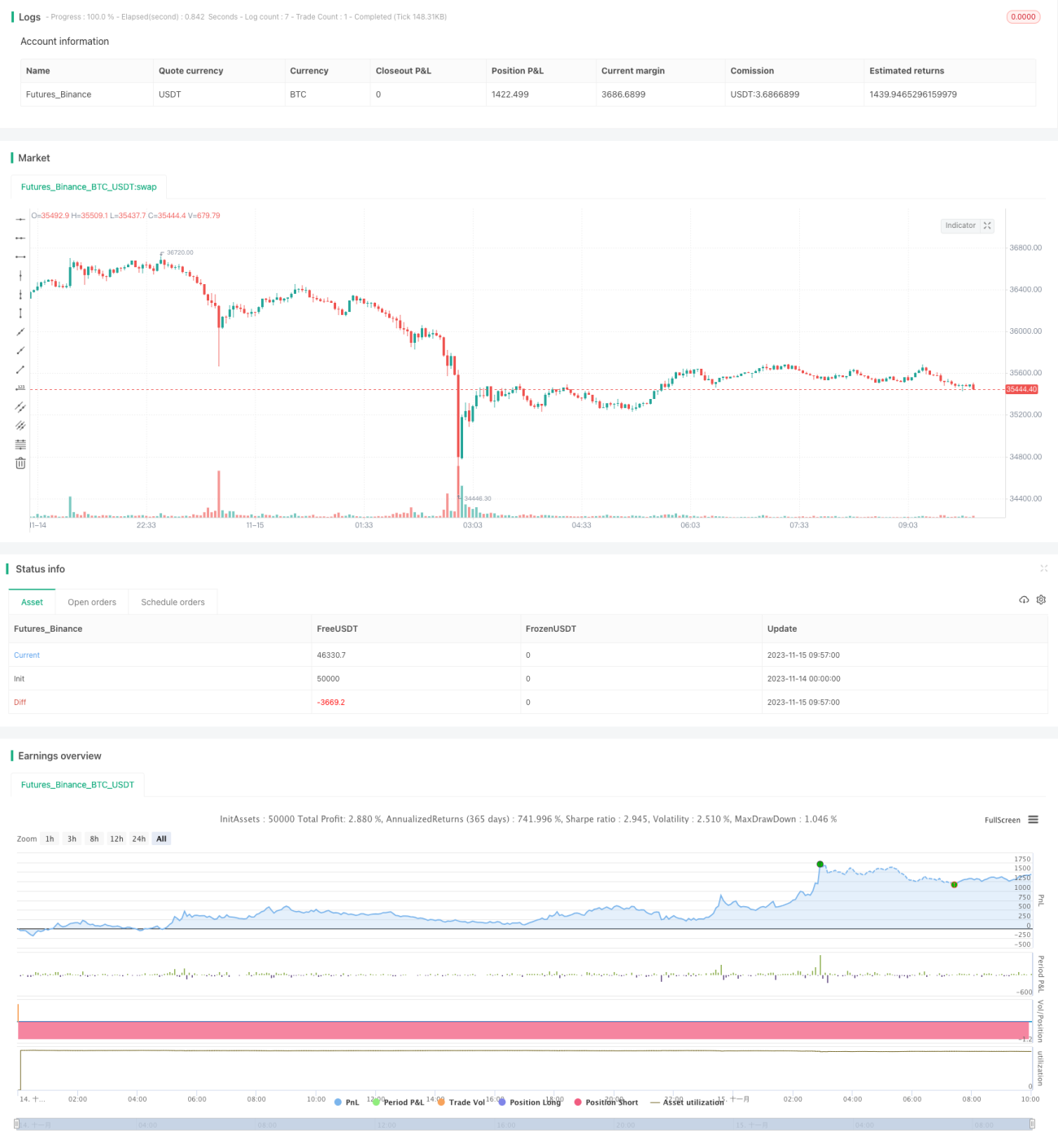
[trans]
Visão Geral
Esta estratégia combina os indicadores MACD e Stoch RSI para construir um sistema de negociação de duas vias, permitindo o acompanhamento de tendências e a identificação de condições de sobrevenda/sobrecompra. A estratégia também constrói indicadores nos períodos diário e de 4 horas, realizando análises em múltiplos quadros temporais para reduzir a probabilidade de erros de julgamento.
Princípio da Estratégia
A estratégia combina o uso de dois tipos diferentes de indicadores técnicos, MACD e Stoch RSI. O MACD é um indicador de momento que avalia a velocidade da variação de preço; o Stoch RSI é um indicador de sobrecompra/sobrevenda que avalia a força relativa do preço.
A estratégia primeiro constrói os indicadores MACD e Stoch RSI nos períodos diário e de 4 horas para realizar julgamentos de tendência e sobrecompra/sobrevenda. Quando os indicadores em ambos os períodos geram simultaneamente sinais de compra/venda, são executadas as operações correspondentes.
Especificamente, o indicador MACD é construído com as linhas DIF e DEA formando cruzamentos de ouro/morte para julgamento; o indicador Stoch RSI é construído com as linhas K e D formando cruzamentos de ouro/morte para julgamento. Quando ambos os pares de indicadores apresentam cruzamentos de ouro, são gerados sinais de compra; quando ambos apresentam cruzamentos de morte, são gerados sinais de venda.
Dessa forma, a estratégia utiliza de forma abrangente o sistema de indicadores duplos e julgamentos em múltiplos quadros temporais, avaliando completamente a velocidade da variação de preço e a força relativa, o que ajuda a melhorar a precisão das decisões e obter melhores retornos.
Análise de Vantagens
Esta estratégia apresenta as seguintes vantagens:
- Combina sistema de indicadores duplos para julgamento abrangente, aumentando a precisão das decisões.
- Utiliza múltiplos quadros temporais para reduzir a probabilidade de erros de julgamento.
- Adota acompanhamento de tendências e julgamento de sobrecompra/sobrevenda, considerando tanto a velocidade da variação de preço quanto a força relativa.
- Parâmetros dos indicadores ajustáveis, adaptando-se a diferentes produtos e condições de mercado.
- Estrutura de código clara, fácil de entender e expandir.
Análise de Riscos
Esta estratégia também apresenta alguns riscos:
- Existem riscos sistêmicos de mercado que não podem ser totalmente evitados.
- Ajustes inadequados dos parâmetros dos indicadores podem levar a negociações excessivas ou perda de oportunidades.
- A probabilidade de os indicadores duplos emitirem sinais errôneos simultaneamente existe, mas é menor do que com um único indicador.
- Incapacidade de lidar com mudanças bruscas do mercado, como eventos de cisne negro.
Medidas corretivas:
- Otimizar parâmetros e ajustar as condições de negociação para reduzir erros de julgamento.
- Incorporar mais indicadores para combinar julgamentos.
- Adicionar estratégias de stop loss para controlar o risco de perdas individuais.
Direções de Otimização
Esta estratégia pode ser melhorada nos seguintes aspectos:
- Incorporar mais indicadores para formar estratégias multi-indicadores.
- Adicionar algoritmos de aprendizado de máquina para otimização dinâmica de parâmetros.
- Combinar indicadores de sentimento, notícias e outros fatores para avaliar as condições do mercado de forma mais abrangente.
- Adicionar estratégias de stop loss e take profit para otimizar a gestão de capital.
- Expandir para mais produtos de negociação em busca de melhores oportunidades.
Resumo
Esta estratégia, por meio da combinação de indicadores duplos e julgamentos em múltiplos quadros temporais, avalia completamente a velocidade da variação de preço e a força relativa, podendo capturar tendências do mercado de forma eficaz e corrigir as falhas de julgamento de indicadores únicos. Também apresenta vantagens como flexibilidade no ajuste de parâmetros, facilidade de compreensão e expansão. Futuramente, pode ser expandida e otimizada através de combinações de múltiplos indicadores, otimização dinâmica de parâmetros, introdução de indicadores de sentimento, entre outros, melhorando ainda mais o desempenho da estratégia.
Conclusão
Através da aplicação combinada do sistema de indicadores duplos e das análises de múltiplos períodos, esta estratégia avalia de forma abrangente a velocidade do preço e a força relativa, conseguindo capturar eficazmente as tendências do mercado e suprir as deficiências de indicadores individuais. Também apresenta vantagens como ajuste flexível de parâmetros, fácil compreensão e expansão. Futuras expansões através de combinação de múltiplos indicadores, otimização dinâmica de parâmetros e incorporação de indicadores de sentimento, entre outros, podem ajudar a melhorar o desempenho da estratégia.
/*backtest
start: 2023-11-14 00:00:00
end: 2023-11-15 10:00:00
period: 3m
basePeriod: 1m
exchanges: [{"eid":"Futures_Binance","currency":"BTC_USDT"}]
*/

//@version=2
strategy(title='[RS]Khizon (UWTI) Strategy V0', shorttitle='K', overlay=false, pyramiding=0, initial_capital=100000, currency=currency.USD)
//  ||  Inputs:
macd_src = input(title='MACD Source:', defval=close)- 1