Estratégia de Negociação com Indicador de Oscilação Excelente

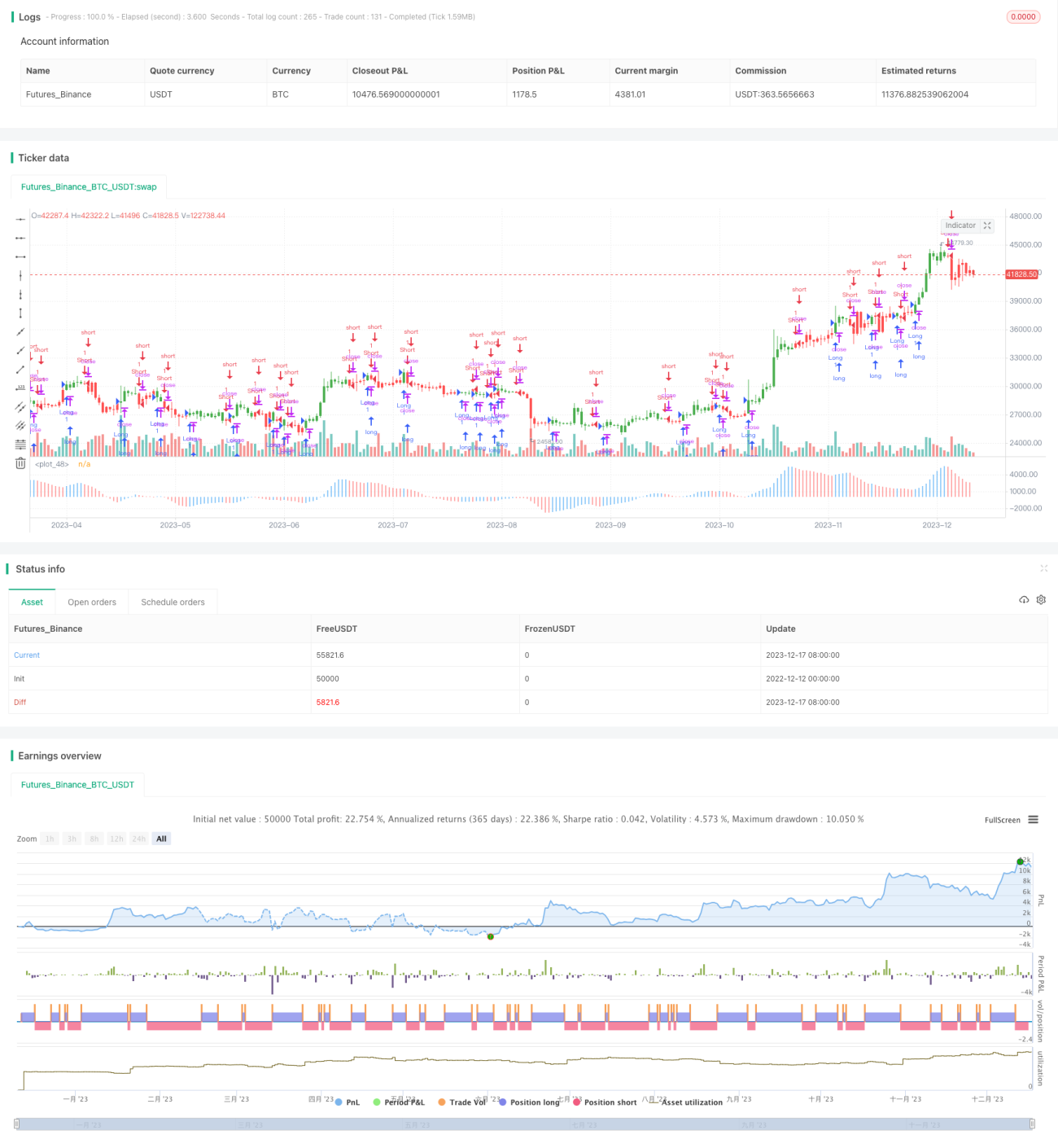
Visão Geral
A estratégia de negociação com o Indicador de Oscilação Incrível é uma estratégia de negociação quantitativa desenvolvida com base nas sugestões de Bill Williams em seu livro "A Nova Dimensão do Trading". A estratégia utiliza a diferença entre uma média móvel rápida e uma média móvel lenta para construir um oscilador, apresentado na forma de um histograma, onde as mudanças de cor do histograma geram sinais de negociação.
Princípio da Estratégia
O indicador central da estratégia é o Oscilador Incrível (Awesome Oscillator, AO), cuja fórmula de cálculo é:
AO = SMA(Preço Mediano, Período Rápido) - SMA(Preço Mediano, Período Lento)
Onde o Preço Mediano é a média dos preços máximo e mínimo; Período Rápido representa o comprimento do período da média móvel rápida; Período Lento representa o comprimento do período da média móvel lenta.
O indicador AO reflete a oscilação do preço de mercado em diferentes escalas de tempo por meio da diferença entre as médias móveis rápida e lenta. Quando a média móvel rápida está acima da média móvel lenta, indica que a força do preço de curto prazo é maior que a força de longo prazo, sendo um sinal de compra. Quando a média móvel rápida está abaixo da média móvel lenta, indica que a força do preço de curto prazo é menor que a de longo prazo, sendo um sinal de venda.
A estratégia utiliza a diferença entre o valor atual do AO e o do período anterior para determinar o estado de alta ou baixa do período atual, identificando-o com cores diferentes no histograma: quando o valor atual do AO é maior que o do período anterior, a barra é azul, indicando momento favorável para compra; quando o valor atual é menor que o do período anterior, a barra é vermelha, indicando momento favorável para venda.
Análise de Vantagens
A estratégia apresenta as seguintes vantagens:
- Utiliza a diferença de médias móveis para construir o indicador, suavizando os dados de preço e ajudando a filtrar ruídos do mercado.
- A diferença entre médias móveis rápida e lenta captura mudanças na tendência de preço em diferentes escalas de tempo.
- O histograma exibe visualmente o estado de alta ou baixa, facilitando a identificação da direção da negociação.
- Parâmetros customizáveis permitem ajustar a sensibilidade do indicador para diferentes instrumentos de negociação.
Análise de Riscos
A estratégia também apresenta alguns riscos:
- Ajustes inadequados de parâmetros podem gerar sinais de negociação excessivos, resultando em overtrading.
- A construção do oscilador é relativamente complexa; parâmetros inadequados podem levar à perda de oportunidades de negociação.
- A fonte de sinal é única, podendo ser validada e melhorada com a combinação de outros indicadores.
Para reduzir esses riscos, é possível otimizar a configuração dos parâmetros, ajustar a construção do indicador e complementar com outros indicadores para validação.
Direções de Otimização
A estratégia pode ser otimizada nos seguintes aspectos:
- Otimizar os parâmetros de comprimento das médias móveis rápida e lenta para encontrar a melhor combinação.
- Experimentar outros tipos de médias móveis para construir o indicador AO, como EMA, LWMA, etc.
- Combinar indicadores de tendência e osciladores para melhorar a eficácia do indicador.
- Adicionar mecanismos de stop loss para controlar perdas individuais.
Resumo
Em resumo, a estratégia de negociação com o Indicador de Oscilação Incrível utiliza a diferença entre médias móveis rápida e lenta para identificar mudanças na tendência de preço, podendo detectar efetivamente oportunidades de reversão de curto prazo. A estratégia é conceitualmente clara e fácil de implementar, e com otimização de parâmetros e combinação com outros indicadores, pode alcançar bons resultados de negociação.
/*backtest
start: 2022-12-12 00:00:00
end: 2023-12-18 00:00:00
period: 1d
basePeriod: 1h
exchanges: [{"eid":"Futures_Binance","currency":"BTC_USDT"}]
*/

//@version=2
////////////////////////////////////////////////////////////
//  Copyright by HPotter v1.0 29/12/2016
// This indicator is based on Bill Williams` recommendations from his book - 1