Estratégia de RSI Lento para Condições de Sobrecomprado/Sobrevendido

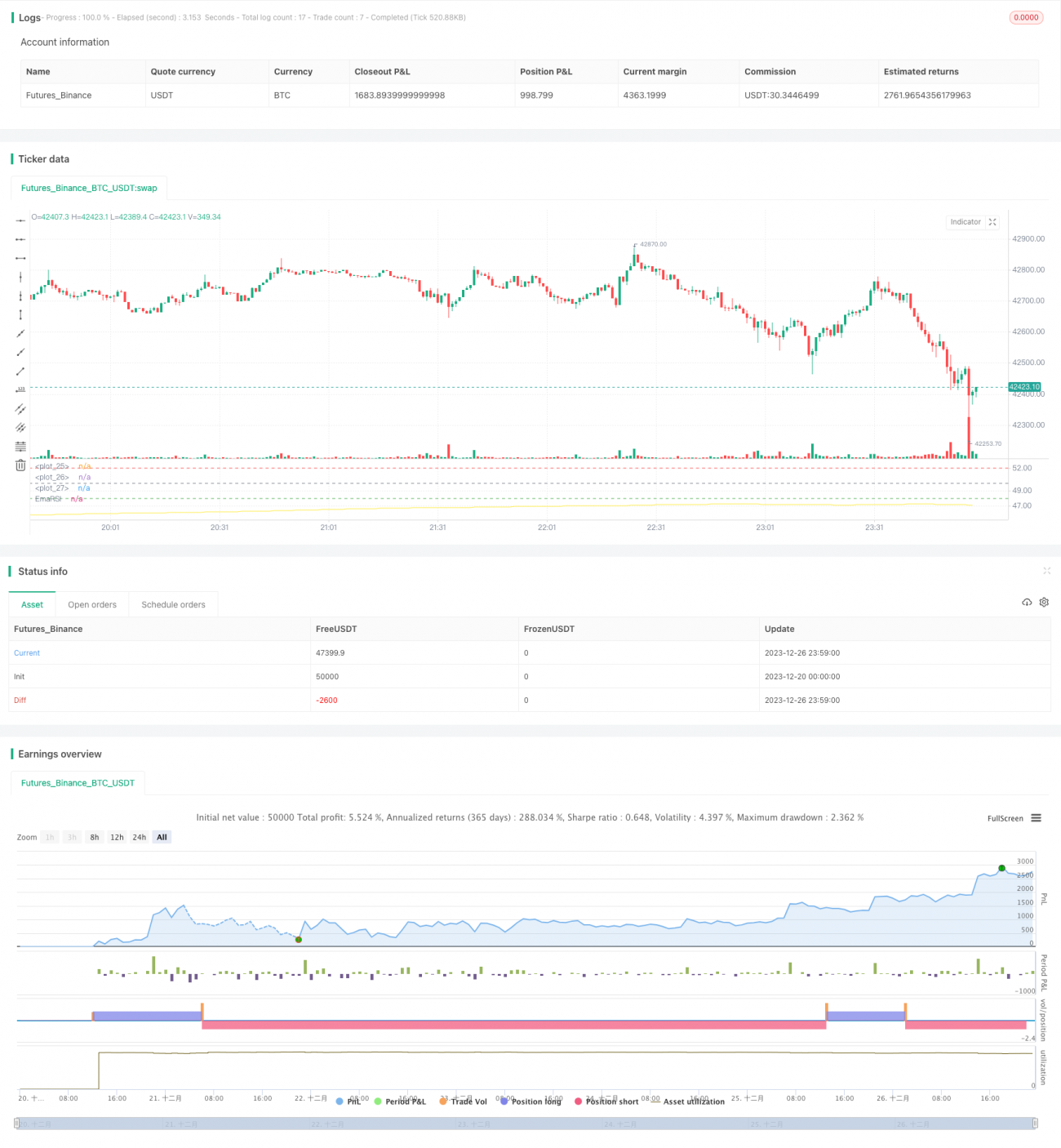
Visão Geral
A estratégia de sobrecompra/sobrevenda do RSI lento prolonga o período de retrospectiva do RSI, reduzindo a volatilidade da curva do RSI, abrindo assim novas oportunidades de negociação. Esta estratégia também é aplicável a outros indicadores técnicos, como o MACD.
Princípio da Estratégia
A ideia central da estratégia é prolongar o período de retrospectiva do RSI, com o padrão de 500 períodos, e em seguida suavizar a curva do RSI através de uma SMA, com o padrão de 250 períodos. Isso reduz significativamente a volatilidade da curva do RSI, tornando a reação do RSI mais lenta, gerando assim novas oportunidades de negociação.
Um período de retrospectiva excessivamente longo reduz a volatilidade da curva do RSI, portanto, os critérios para julgar sobrecompra e sobrevenda também precisam ser ajustados. A estratégia define níveis personalizados de sobrecompra em 52 e sobrevenda em 48. Quando o RSI ponderado ultrapassa a linha de sobrevenda de baixo para cima, gera um sinal de compra; quando cai abaixo da linha de sobrecompra de cima para baixo, gera um sinal de venda.
Vantagens da Estratégia
- Alta inovação, abrindo novas abordagens de negociação ao prolongar os períodos
- Reduz significativamente sinais falsos, melhorando a estabilidade
- Permite personalizar os limiares de sobrecompra e sobrevenda, adaptando-se a diferentes mercados
- Permite o acréscimo de posições em lotes, aumentando a rentabilidade
Riscos da Estratégia
- Períodos muito longos podem perder oportunidades de curto prazo
- Requer paciência para aguardar a entrada
- Configuração inadequada dos limiares de sobrecompra/sobrevenda pode aumentar perdas
- Existe risco de arbitragem
Soluções:
- Encurtar adequadamente os períodos para aumentar a frequência de negociação
- Adotar a construção de posições em lotes para diversificar o risco
- Otimizar os parâmetros dos limiares para se adaptar a diferentes condições de mercado
- Definir pontos de stop loss para evitar perdas excessivas
Direções de Otimização da Estratégia
- Otimizar os parâmetros do RSI para encontrar a melhor combinação de períodos
- Testar diferentes parâmetros de período de suavização da SMA
- Otimizar os parâmetros de sobrecompra e sobrevenda para se ajustar a diferentes mercados
- Adicionar uma estratégia de stop loss para controlar perdas individuais
Resumo
A estratégia de sobrecompra/sobrevenda do RSI lento, ao prolongar os períodos e utilizar médias móveis para suprimir a volatilidade, abre com sucesso novas abordagens de negociação. Com a otimização adequada dos parâmetros e controle de riscos, esta estratégia tem potencial para obter retornos excedentes estáveis e eficientes. No geral, a estratégia possui forte inovação e valor de aplicação.
/*backtest
start: 2023-12-20 00:00:00
end: 2023-12-27 00:00:00
period: 1m
basePeriod: 1m
exchanges: [{"eid":"Futures_Binance","currency":"BTC_USDT"}]
*/


// Wilder was a very influential man when it comes to TA. However, I'm one to always try to think outside the box.
// While Wilder recommended that the RSI be used only with a 14 bar lookback period, I on the other hand think there is a lot to learn from RSI if one simply slows down the lookback period
// Same applies for MACD.- 1