Estratégia de Zona de Transição

Visão Geral
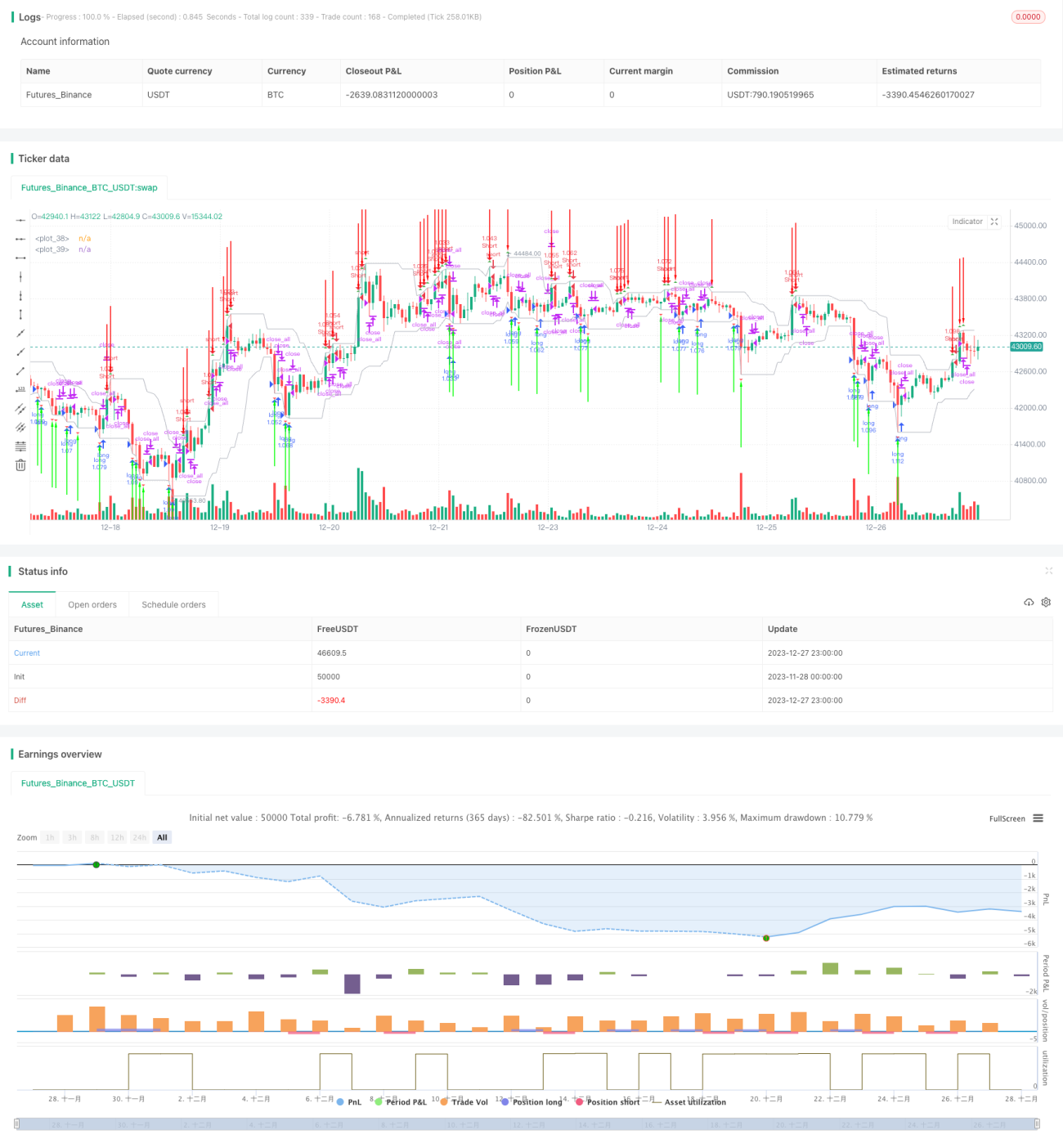
A estratégia de intervalo de transição é uma estratégia de negociação de curto prazo baseada na faixa de oscilação de preços. Ela utiliza a faixa de oscilação formada pelos preços dentro de um determinado período de tempo para julgar a tendência do mercado, entrando em posições compradas/vendidas quando ocorre a quebra do intervalo.
Princípio da Estratégia
Esta estratégia constrói a faixa de oscilação dos preços calculando a máxima e a mínima das últimas N barras. Quando a barra mais recente penetra nesse intervalo, considera-se que houve uma reversão de tendência, gerando um sinal de negociação.
Especificamente, a estratégia rastreia continuamente os preços máximos e mínimos das últimas N barras (parâmetro N ajustável), onde:
- Mínima = ponto mais baixo das últimas N barras
- Máxima = ponto mais alto das últimas N barras
Assim, é construída a faixa de oscilação dos preços.
Quando o preço de fechamento da barra mais recente ultrapassa a máxima do intervalo, ocorre uma quebra, gerando um sinal de compra; quando o preço de fechamento fica abaixo da mínima do intervalo, ocorre uma quebra, gerando um sinal de venda.
Além disso, a estratégia incorpora um filtro de cor e um filtro de corpo real. O filtro de cor utiliza a cor da barra para filtrar sinais; o filtro de corpo real utiliza o tamanho do corpo real da barra para filtrar sinais. Isso ajuda a eliminar sinais falsos.
Vantagens da Estratégia
A estratégia apresenta as seguintes vantagens:
- Captura o intervalo de preços, identifica pontos de reversão de tendência, permitindo comprar e vender com precisão.
- Filtro de cor e filtro de corpo real, capazes de filtrar sinais falsos.
- Lógica simples e clara, fácil de entender e ajustar parâmetros.
- Vários parâmetros ajustáveis que podem otimizar a estratégia.
Análise de Riscos
A estratégia também apresenta alguns riscos:
- Parâmetros mal ajustados podem levar a negociações excessivamente frequentes, gerando altos custos de transação.
- Configuração inadequada da faixa do intervalo pode resultar em muitos sinais falsos de quebra.
- Em condições de forte volatilidade, a previsão baseada na faixa de preços tem baixa eficácia.
- Não lida com situações de gaps de preços.
Esses riscos podem ser reduzidos ajustando os parâmetros do intervalo e otimizando as condições de filtragem de sinais.
Direções de Otimização
A estratégia pode ser otimizada nas seguintes direções:
- Ajustar dinamicamente a faixa do intervalo de preços, em vez de usar um número fixo de N barras.
- Incorporar lógica de stop loss para reduzir o risco de perdas.
- Otimizar os parâmetros do filtro para melhorar a qualidade dos sinais.
- Adicionar lógica para tratar gaps de preços.
- Combinar múltiplos períodos de tempo para julgar sinais, evitando ficar preso em posições.
Resumo
De modo geral, a estratégia de intervalo de transição é uma estratégia de negociação de curto prazo relativamente simples e prática. Ela identifica pontos de reversão de tendência através da faixa de preços, permitindo capturar rapidamente oportunidades do mercado. No entanto, também existem alguns riscos que exigem atenção. Através de ajustes de parâmetros e otimizações, é possível aprimorar ainda mais a estratégia e melhorar sua rentabilidade.
- 1