
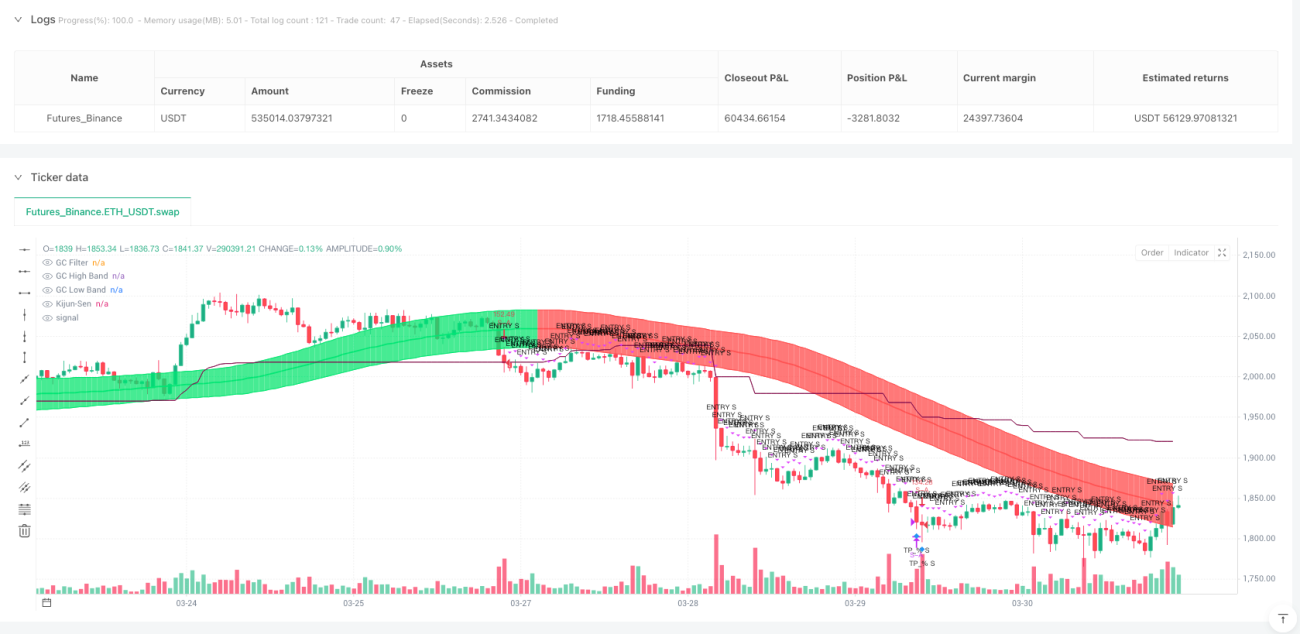
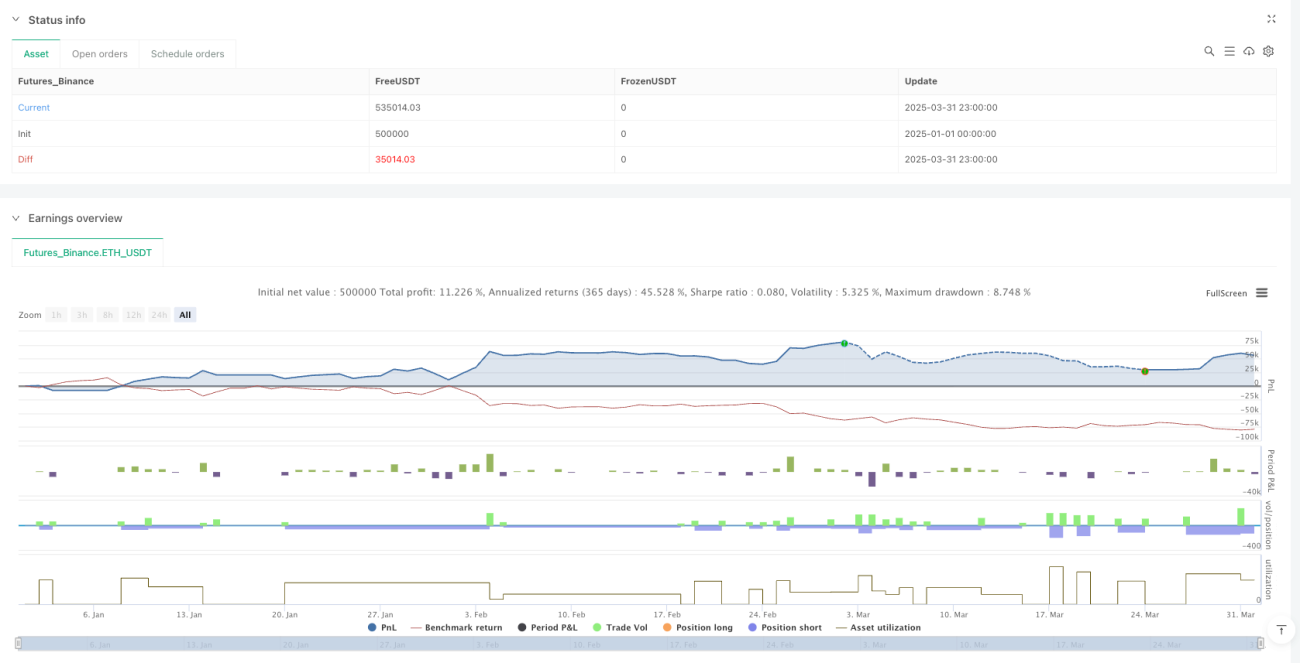
Por que os indicadores técnicos tradicionais falham em mercados complexos?
No campo do trading quantitativo, frequentemente enfrentamos um problema central: indicadores técnicos únicos geram facilmente sinais falsos em meio ao ruído do mercado, levando a stops frequentes e redução de capital. Então, como construir um sistema de trading que consiga capturar tendências e, ao mesmo tempo, filtrar o ruído de forma eficaz?
A estratégia de Filtragem Múltipla com Canal Gaussiano analisada hoje, ao combinar habilmente quatro indicadores técnicos de diferentes dimensões, oferece uma solução digna de estudo aprofundado.
Arquitetura técnica central: como o mecanismo de quádrupla filtragem funciona em conjunto?
1. Canal Gaussiano (Gaussian Channel) – Núcleo de identificação de tendências
A base da estratégia é um filtro gaussiano de 4ª ordem com janela de amostragem de 144 períodos. Diferente das médias móveis tradicionais, o filtro gaussiano elimina a maior parte do ruído do mercado por meio de modelagem matemática, mantendo a sensibilidade às mudanças de preço.
Parâmetros-chave:
- Número de polos gaussianos: 4 (equilíbrio entre lag e suavidade)
- Período de amostragem: 144 (captura de tendências de médio prazo)
- Fator de filtro: 1,414 (múltiplo do desvio padrão, controlando a largura do canal)
2. Linha Kijun-Sen (130 períodos) – Confirmação de tendência de médio/longo prazo
Aqui é utilizada a linha Kijun-Sen de 130 períodos como filtro de tendência, em vez dos tradicionais 26 períodos. Qual a profundidade desse ajuste?
Uma configuração de período mais longo permite:
- Reduzir sinais falsos de rompimento
- Garantir que a direção do trade esteja alinhada com a tendência principal
- Aumentar a qualidade do sinal e diminuir a frequência de trades
3. Indicador VAPI – Análise de preço com volume
O VAPI (Volume Adjusted Price Indicator) analisa a relação entre volume e variação de preço para julgar a intenção real dos participantes do mercado. Quando VAPI > 0, favorece posições compradas; quando < 0, favorece posições vendidas.
4. Stop dinâmico baseado em ATR – Mecanismo de controle de risco
Utiliza 4,5 vezes o ATR de 11 períodos como distância do stop. Essa configuração leva em conta a volatilidade do mercado, evitando que stops muito apertados sejam acionados pelo ruído.
Inovação na gestão de capital: a sabedoria da estratégia de divisão 75/25
O aspecto mais interessante dessa estratégia é sua abordagem única de gestão de capital:
Lógica de divisão:
- 75% do capital: take profit fixo com relação risco-retorno de 3,5x
- 25% do capital: stop dinâmico (trailing stop)
Por que esse design?
- Garantir rentabilidade básica: O take profit fixo dos 75% assegura que a maior parte do capital obtenha retorno estável.
- Capturar ganhos extraordinários: O trailing stop dos 25% permite obter maiores ganhos quando a tendência se prolonga.
- Diversificação de risco: Mecanismos de saída diferentes reduzem o risco de falha de uma única estratégia.
Sistema de controle de risco: camadas de proteção
1. Controle de risco na entrada
- Risco por trade limitado a 3% do capital da conta
- Cálculo dinâmico do tamanho da posição baseado no ATR
2. Gerenciamento de risco de posição
- Stop principal: 4,5 vezes o ATR
- Trailing stop: ajuste dinâmico, travando lucros em aberto
- Take profit extra: proteção de 10% de ganho fixo
3. Mecanismo de filtragem de sinais
Os quatro indicadores técnicos confirmam simultaneamente, reduzindo drasticamente a probabilidade de sinais falsos.
Análise de vantagens e limitações da estratégia
Principais vantagens:
- Alta qualidade do sinal: O mecanismo de filtragem múltipla eleva significativamente a confiabilidade dos sinais.
- Risco controlável: Sistema completo de stop e gestão de posição.
- Adaptabilidade: O ATR ajusta dinamicamente para diferentes ambientes de volatilidade.
- Otimização de retorno: A estratégia de divisão equilibra retorno estável e ganhos extras.
Limitações potenciais:
- Dependência de tendência: Pode ter desempenho ruim em mercados laterais.
- Sensibilidade a parâmetros: Múltiplos parâmetros precisam ser otimizados para cada ativo.
- Atraso: A filtragem múltipla pode resultar em entrada um pouco tardia.
Recomendações práticas de aplicação
1. Seleção de ativos
Priorizar ativos com forte tendência, como pares principais de moedas, futuros de índices, etc.
2. Otimização de parâmetros
Recomenda-se realizar backtest com dados históricos do ativo específico, prestando atenção especial a:
- Período de amostragem do canal gaussiano
- Comprimento do período Kijun-Sen
- Múltiplo do stop ATR
3. Adaptação ao ambiente de mercado
Em mercados claramente laterais, pode-se considerar pausar a estratégia ou ajustar os parâmetros.
Conclusão: pensamento sistêmico no trading quantitativo
O valor dessa estratégia não está apenas em sua implementação técnica, mas no pensamento sistêmico que ela reflete:
- Validação multidimensional: Verifica sinais de trading sob múltiplos ângulos (tendência, volume, volatilidade, etc.)
- Risco em primeiro lugar: Um sistema completo de controle de risco é a base da estratégia.
- Otimização de retorno: Equilibra diferentes objetivos de ganho por meio da divisão de capital.
Para traders quantitativos, essa estratégia oferece um excelente quadro de referência. O importante não é copiar os parâmetros, mas entender a lógica por trás do design e ajustá-la conforme seu próprio ativo e apetite ao risco.
Lembre-se: a melhor estratégia não é a mais complexa, mas aquela que se adapta ao seu estilo de trading e ao ambiente de mercado.
/*backtest
start: 2025-01-01 00:00:00
end: 2025-04-01 00:00:00
period: 1h
basePeriod: 1h
exchanges: [{"eid":"Futures_Binance","currency":"ETH_USDT","balance":500000}]
*/

// @version=6
strategy("Gaussian Channel Strategy – GC + Kijun (120) + VAPI Gate + ATR(4.5x) + 75/25 TP-TRAIL + Extra %TP",
     overlay=true)
- 1