Многоуровневая стратегия разворота на основе трендовых скользящих средних

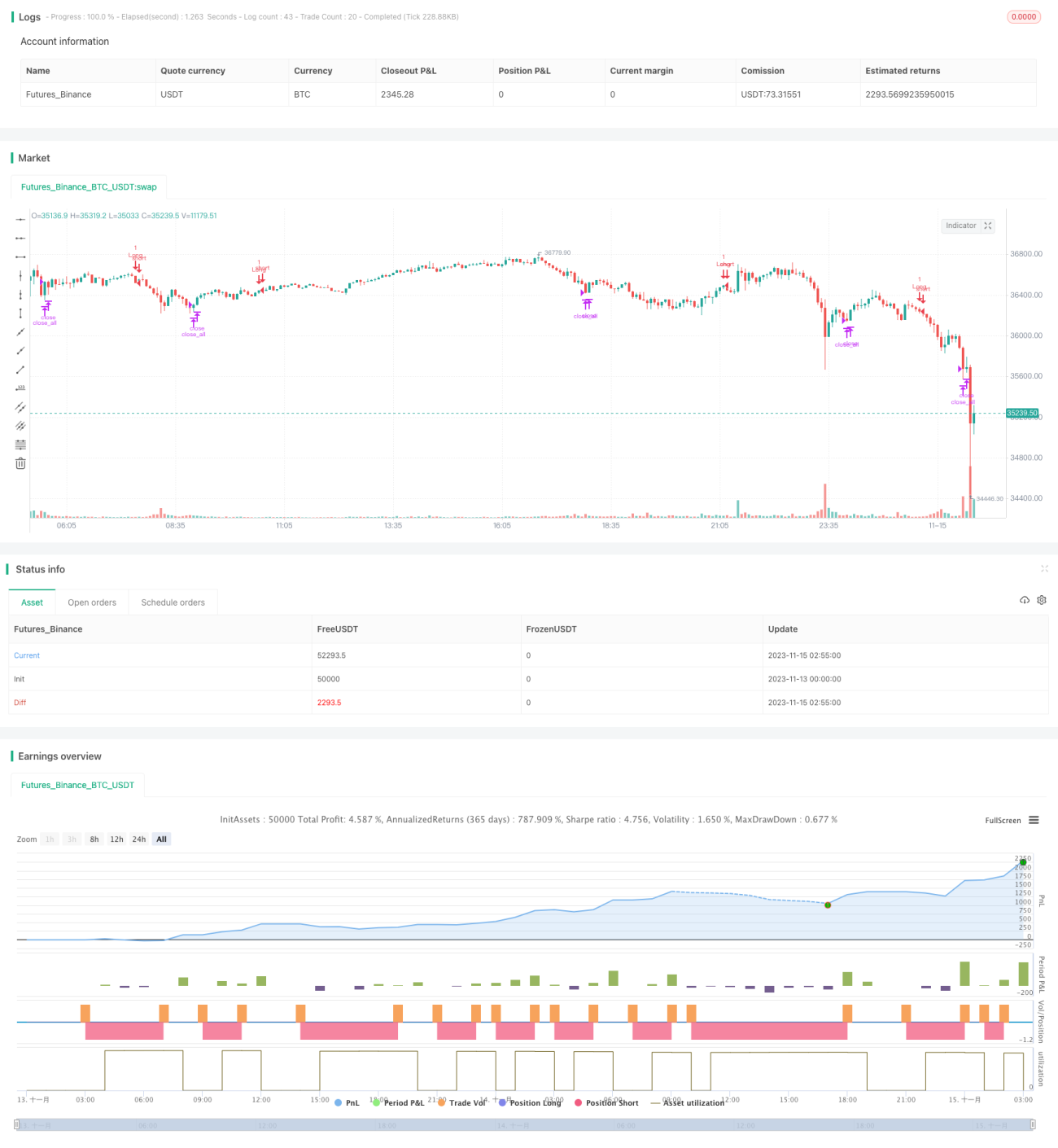
Обзор
Эта стратегия вычисляет несколько трендовых индикаторов и выполняет операции покупки и продажи при их развороте. Основные трендовые индикаторы: TDI, TCF, TTF и TII. Стратегия выбирает, какой индикатор использовать для генерации торговых сигналов, в зависимости от конфигурации.
Принципы стратегии
-
Индикатор TDI
Индикатор TDI рассчитывается на основе изменения momentum цены. Он строится с помощью суммирования и сглаживания. Когда индикатор направления TDI пересекает кривую TDI вверх, открывается длинная позиция; при пересечении вниз позиция закрывается.
-
Индикатор TCF
Индикатор TCF вычисляет положительное и отрицательное изменение цены, чтобы определить силу быков и медведей. Когда сила положительного изменения превышает силу отрицательного изменения, открывается длинная позиция, в противном случае позиция закрывается.
-
Индикатор TTF
Индикатор TTF сравнивает силу максимумов и минимумов для определения тренда. Сигнал на покупку — пересечение TTF выше 100, в противном случае позиция закрывается.
-
Индикатор TII
Индикатор TII сочетает скользящие средние и ценовой диапазон для определения разворота тренда. Он учитывает как краткосрочный, так и долгосрочный тренды. Сигнал на покупку — пересечение TII выше 80, закрытие позиции — пересечение ниже 80.
Логика входа в длинную позицию и выхода выбирает соответствующий торговый сигнал в зависимости от настроенного индикатора.
Преимущества стратегии
Данная стратегия объединяет несколько распространенных трендовых индикаторов, что позволяет гибко адаптироваться к рыночным условиям. Конкретные преимущества:
- Использование сигналов разворота тренда позволяет своевременно улавливать моменты смены тренда.
- Возможность настройки различных индикаторов для целевой оптимизации.
- Богатый набор индикаторов, которые можно комбинировать для подтверждения сигналов.
Риски стратегии
Стратегия подвержена следующим рискам:
- Торговые сигналы, генерируемые трендовыми индикаторами, могут быть ложными, что приведет к убыткам.
- Один индикатор не может полностью определить тренд и подвержен влиянию рыночного шума.
- Неправильная настройка параметров индикаторов и торговых параметров может привести к неверной интерпретации рынка и ошибочным сделкам.
Для снижения рисков можно предпринять следующие меры:
- Оптимизация параметров индикаторов для поиска наилучшей комбинации.
- Комбинирование сигналов нескольких индикаторов для повышения качества сигналов.
- Настройка управления позициями для контроля убытков по каждой сделке.
Направления оптимизации стратегии
Стратегию можно оптимизировать в следующих направлениях:
- Тестирование оптимальных индикаторов и комбинаций параметров для разных рыночных циклов.
- Добавление или удаление индикаторов для поиска наилучшего набора.
- Фильтрация торговых сигналов для устранения ложных сигналов.
- Оптимизация управления позициями, например, переменный размер позиции, трейлинг-стоп и т.д.
- Добавление оценочных показателей машинного обучения для вспомогательной оценки качества сигналов.
Заключение
Данная стратегия объединяет преимущества различных индикаторов разворота тренда. Путем настройки индикаторов и параметров она может адаптироваться к разным рыночным условиям и совершать операции в точках разворота тренда. Ключевым моментом является нахождение оптимальных параметров и комбинации индикаторов при одновременном контроле рисков. Благодаря постоянной оптимизации и проверке можно построить стабильную стратегию с альфой.
- 1