Торговая стратегия на основе осцилляторов

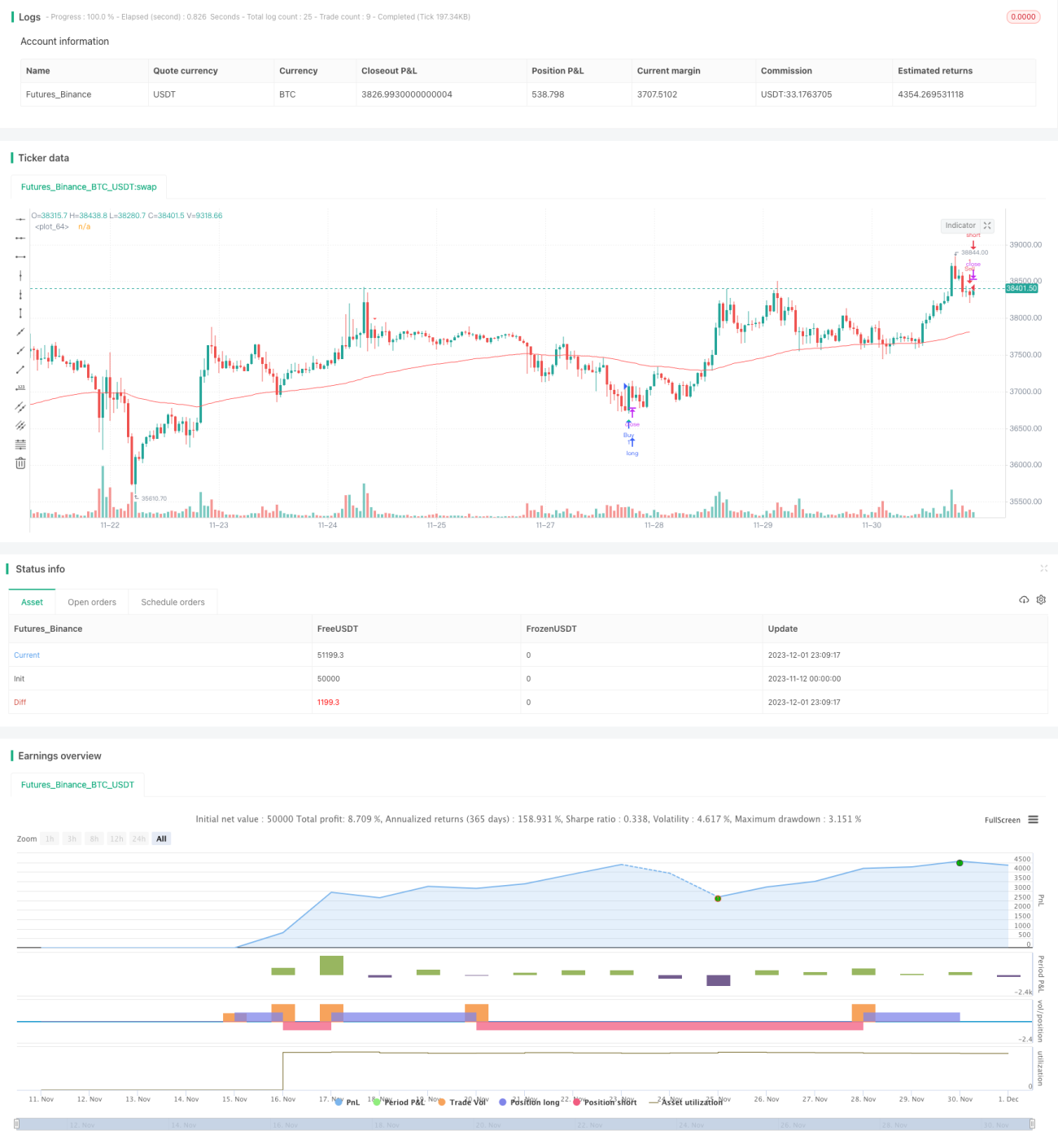
Обзор
Это стратегия разворотной торговли, основанная на нескольких технических индикаторах. Она объединяет CCI, индикатор моментума, RSI и другие инструменты для выявления потенциальных возможностей для длинных и коротких позиций. Когда индикаторы показывают сигналы перекупленности/перепроданности и происходит откат цены, стратегия генерирует торговые сигналы.
Принцип работы стратегии
Торговые сигналы стратегии исходят от пользовательского индикатора "Edri极点买卖点" (Edri Extreme Buy/Sell Points), который комплексно учитывает пересечения CCI, индикатора моментума и RSI. Логика следующая:
Условия для длинной позиции:
- Индикатор "Edri极点买卖点" даёт сигнал на покупку: CCI пересекает нулевую линию снизу вверх или индикатор моментума пересекает нулевую линию снизу вверх, а RSI находится ниже линии перепроданности.
- Цена откатилась или находится ниже 100-периодной EMA.
Условия для короткой позиции:
- Индикатор "Edri极点买卖点" даёт сигнал на продажу: CCI пересекает нулевую линию сверху вниз или индикатор моментума пересекает нулевую линию сверху вниз, а RSI находится выше линии перекупленности.
- Цена откатилась или находится выше 100-периодной EMA.
Стратегия также может быть настроена на поиск обычной дивергенции: торговый сигнал генерируется только при явной дивергенции между RSI и ценой.
При выполнении торгового сигнала уровень стоп-лосса устанавливается на расстоянии ±2 ATR от цены входа, а тейк-профита — на расстоянии ±4 ATR. Это позволяет задать разумный диапазон стоп-лосса и тейк-профита в зависимости от волатильности рынка.
Анализ преимуществ
- Комбинация нескольких индикаторов помогает избежать ложных сигналов одного инструмента.
- Разворотный подход позволяет ловить среднесрочные и краткосрочные возможности во флэтовом рынке.
- Использование ATR для стоп-лосса и тейк-профита позволяет гибко адаптировать размер позиции к рыночной волатильности.
- Возможность поиска дивергенции позволяет избегать открытия позиций в неэкстремальных зонах перекупленности/перепроданности.
Анализ рисков
- Неправильная настройка параметров индикаторов может привести к пропуску торговых возможностей или большому количеству ошибочных сигналов.
- Разворотная стратегия может приводить к серии стоп-лоссов во время трендовых движений.
- ATR обладает запаздыванием и не может своевременно обновлять уровни стоп-лосса/тейк-профита при резких изменениях цены.
Способы устранения:
- Провести многократное бэктестирование и оптимизацию параметров индикаторов для поиска наилучшей комбинации.
- Рассмотреть возможность приостановки использования стратегии при сильном тренде.
- Комбинировать с другими методами стоп-лосса, такими как трейлинг-стоп или обратный стоп.
Направления оптимизации
- Протестировать различные комбинации параметров: период CCI и моментума, параметры RSI, множитель ATR и т.д.
- Добавить дополнительные фильтры, такие как ценовые паттерны, изменения объёма и т.п.
- Скорректировать управление позициями, например, установить долю позиции в зависимости от значения ATR.
- Создать шаблоны параметров для разных инструментов и таймфреймов.
- Рассмотреть возможность добавления механизма следования за трендом для приостановки разворотной торговли в трендовые периоды.
Заключение
Данная стратегия в основном применяется во флэтовом рынке и позволяет получать относительно стабильную прибыль, улавливая краткосрочные и среднесрочные развороты. Она помогает идентифицировать краткосрочные ценовые растяжения и генерирует торговые сигналы на основе нескольких индикаторов. Благодаря разумной оптимизации параметров и управлению рисками можно эффективно использовать преимущества этой стратегии. Однако необходимо учитывать присущие разворотной торговле недостатки и возможность непрерывных убытков при сильном тренде. В целом стратегия подходит инвесторам, имеющим определённый опыт в количественной торговле и управлении рисками.
- 1