
Обзор
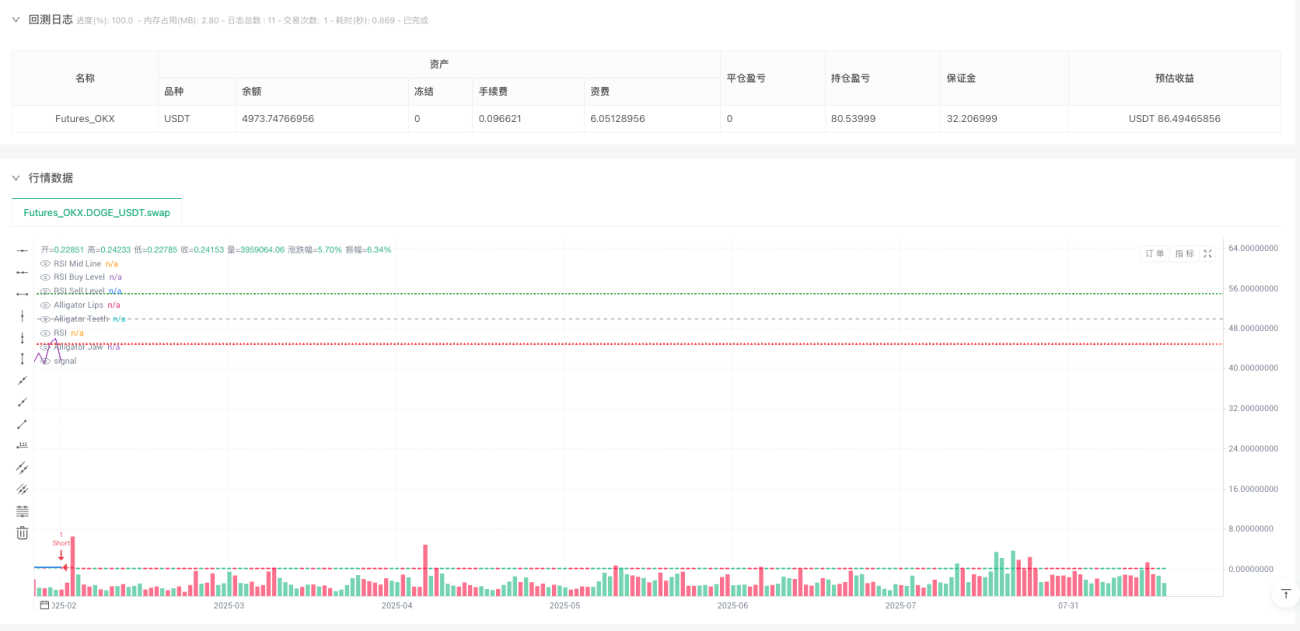
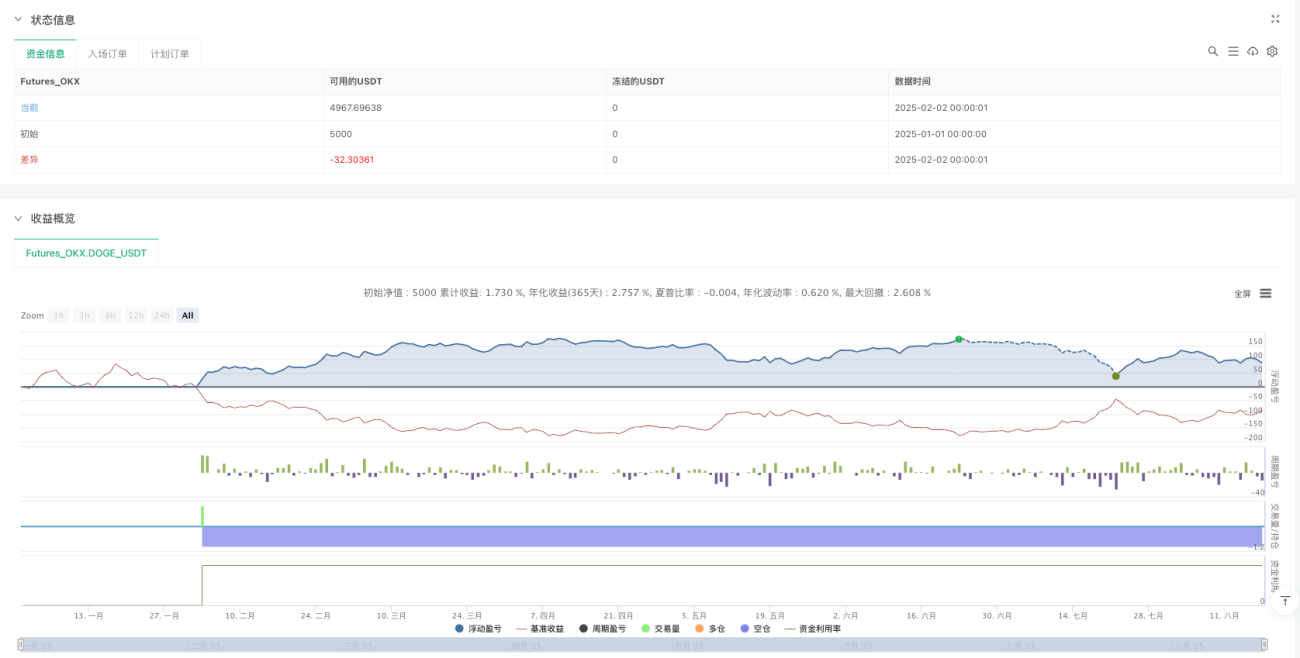
Стратегия импульсного пробоя на основе индикатора Аллигатора Уильямса и RSI представляет собой комплексную количественную торговую систему, которая объединяет индикатор Аллигатора Уильямса (Williams Alligator) и индекс относительной силы (RSI) на нескольких таймфреймах. Стратегия использует 15-минутные свечные интервалы, применяя три скользящие средние линии индикатора Аллигатора (Губы, Зубы, Челюсть) для определения направления рыночного тренда, одновременно с RSI для подтверждения силы импульса, создавая полную систему сигналов входа и выхода. Стратегия включает четкие механизмы стоп-лосса и тейк-профита с множественной фильтрацией условий для обеспечения надежности сигналов, что делает ее особенно подходящей для рынков с выраженными трендовыми характеристиками.
Принцип стратегии
Основной принцип этой стратегии основан на способности индикатора Аллигатора Уильямса идентифицировать тренд и функции подтверждения импульса индикатора RSI. Индикатор Аллигатора Уильямса состоит из трех скользящих средних с разными периодами: Челюсть (13 периодов, смещение 8), Зубы (8 периодов, смещение 5) и Губы (5 периодов, смещение 3). Когда эти три линии выстраиваются в последовательности Губы > Зубы > Челюсть, это указывает на восходящий тренд; обратный порядок сигнализирует о нисходящем тренде.
Для формирования сигнала на покупку необходимо одновременное выполнение четырех условий: цена закрытия выше Губ, Губы выше Зубов, Зубы выше Челюсти и RSI больше 55. Этот механизм многоуровневой фильтрации гарантирует, что позиция открывается только при наличии четкого тренда и достаточного импульса. Сигналы на продажу действуют противоположно: цена закрытия ниже Губ, Губы ниже Зубов, Зубы ниже Челюсти и RSI меньше 45.
Механизм стоп-лосса включает тройную защиту: RSI падает ниже 50, цена пересекает Зубы вниз или Губы опускаются ниже Зубов. Тейк-профит установлен фиксированной суммой (25 рупий), что обеспечивает четкий контроль соотношения риска и прибыли.
Преимущества стратегии
Во-первых, объединение нескольких индикаторов обеспечивает более высокую точность сигналов. Индикатор Аллигатора Уильямса хорошо распознает начало и конец тренда, а RSI эффективно измеряет ценовой импульс. Их комбинация позволяет значительно снизить вероятность ложных сигналов. Во-вторых, стратегия использует поэтапную проверку условий: торговый сигнал генерируется только при одновременном выполнении всех условий, что значительно повышает успешность сделок.
Стратегия обладает хорошей адаптивностью: настройка параметров позволяет приспособить ее к различным рыночным условиям и торговым инструментам. 15-минутный таймфрейм позволяет улавливать краткосрочные и среднесрочные ценовые колебания, избегая чрезмерно частой торговли. Фиксированный тейк-профит упрощает процесс принятия решений и помогает соблюдать торговую дисциплину.
Стратегия также имеет完善ную систему управления рисками: тройные условия стоп-лосса обеспечивают своевременный выход из позиции при неблагоприятном развитии ситуации, эффективно ограничивая максимальный убыток по одной сделке. Визуальные сигналы о сделках делают выполнение стратегии более интуитивным и удобным.
Риски стратегии
Основные риски стратегии включают риск разворота тренда. В случае сильного разворота рынка множественные индикаторы могут одновременно выйти из строя, что приведет к значительным убыткам. Особенно на колебательном рынке индикатор Аллигатора может генерировать частые ложные сигналы, а RSI в фазе боковика также может давать вводящие в заблуждение показания.
Фиксированный тейк-профит, хотя и упрощает операции, может ограничить потенциал прибыли при сильном тренде. При устойчивом однонаправленном движении рынка преждевременный тейк-профит может привести к упущенной большей прибыли. Запаздывание — еще одна проблема, требующая внимания. Поскольку индикатор Аллигатора Уильямса основан на скользящих средних, он обладает естественной задержкой, что может привести к недостаточно своевременному входу.
Чувствительность к параметрам также является фактором риска. Критические значения RSI (55 и 45), а также периоды индикатора Аллигатора, возможно, потребуется корректировать в зависимости от рыночных условий; фиксированные параметры могут не подходить для всех рыночных ситуаций. Кроме того, стратегия чувствительна к торговым издержкам: частая смена позиций может привести к тому, что комиссии и проскальзывание "съедят" прибыль.
Направления оптимизации
Динамическая настройка параметров является важным направлением оптимизации. Можно внедрить адаптивный механизм, который автоматически регулирует пороги RSI и параметры индикатора Аллигатора в зависимости от рыночной волатильности. Например, повышать порог RSI в условиях высокой волатильности и снижать его в условиях низкой волатильности, чтобы адаптироваться к различным рыночным условиям.
Механизм тейк-профита можно изменить с фиксированной суммы на динамический, например, использовать кратные ATR (среднего истинного диапазона) в качестве цели тейк-профита, чтобы лучше соответствовать волатильности рынка. Также можно рассмотреть внедрение трейлинг-стопа: после достижения определенного уровня прибыли включить скользящий стоп-лосс для захвата более значительных трендовых движений.
Добавление фильтра рыночной среды — еще одно направление оптимизации. Можно внедрить индикатор силы рынка или индикатор волатильности, чтобы определить, подходит ли текущий рынок для данной стратегии, и приостанавливать торговлю в неблагоприятных рыночных условиях. Также важен временной фильтр, позволяющий избегать торговли в периоды низкой ликвидности.
Механизм подтверждения сигналов можно дополнительно усилить. Можно добавить подтверждение по объему: сигнал считается действительным только при увеличении объема торгов. Также можно рассмотреть многотаймфреймовый анализ: после подтверждения направления тренда на старшем таймфрейме искать конкретные точки входа на младшем.
Заключение
Стратегия импульсного пробоя на основе индикатора Аллигатора Уильямса и RSI представляет собой относительно хорошо проработанную количественную торговую систему, которая благодаря объединению нескольких индикаторов и строгой фильтрации условий демонстрирует хороший потенциал на трендовых рынках. Главные преимущества стратегии — системное управление рисками и четкий механизм генерации сигналов, которые обеспечивают трейдеру относительно стабильный торговый каркас.
Однако у данной стратегии есть и некоторые ограничения, в частности, ее эффективность на колебательных рынках может быть неоптимальной, а фиксированные настройки параметров могут не подходить для всех рыночных условий. Внедрение динамической настройки параметров, улучшение механизма тейк-профита, добавление фильтра рыночной среды и другие меры оптимизации могут повысить адаптивность и прибыльность стратегии.
Трейдерам, использующим эту стратегию, рекомендуется провести тщательное бэктестирование и проверку на реальных данных в различных рыночных условиях, а также соответствующим образом скорректировать параметры на основе фактической производительности. Кроме того, поддержание правильного управления капиталом и торговой дисциплины является ключевым фактором успешной реализации стратегии.
Во-первых, мультииндикаторная интеграция обеспечивает повышенную точность сигналов. Индикатор Аллигатор Уильямса отлично подходит для выявления начала и окончания трендов, в то время как RSI эффективно измеряет импульс цены; их комбинация значительно снижает вероятность ложных сигналов. Во-вторых, стратегия использует прогрессивную проверку условий, генерируя торговые сигналы только при одновременном выполнении всех условий, что существенно повышает процент успешных сделок.
Стратегия демонстрирует хорошую адаптивность, позволяя настраивать параметры для различных рыночных условий и торговых инструментов. Таймфрейм 15 минут позволяет улавливать среднесрочные колебания цены, избегая при этом чрезмерной частоты торговли. Механизм фиксированного тейк-профита упрощает принятие торговых решений и помогает поддерживать торговую дисциплину.
Стратегия также включает в себя комплексную систему управления рисками, где тройные условия стоп-лосса обеспечивают своевременный выход из позиции при неблагоприятных обстоятельствах, эффективно ограничивая максимальный убыток по каждой сделке. Визуальная идентификация торговых сигналов делает выполнение стратегии более интуитивным и удобным.
Риски стратегии
Основные риски включают риск разворота тренда. Во время сильных разворотов рынка несколько индикаторов могут одновременно выйти из строя, что приведет к значительным убыткам. Особенно на колебательных (флэтовых) рынках индикатор Аллигатор может генерировать частые ложные сигналы, в то время как RSI может давать вводящие в заблуждение показания во время боковой консолидации.
Хотя механизм фиксированного тейк-профита упрощает операции, он может ограничить потенциал прибыли во время сильных трендовых движений. На устойчивых направленных рынках преждевременная фиксация прибыли может привести к упущенной выгоде. Еще одной проблемой является запаздывание, так как Аллигатор Уильямса, основанный на скользящих средних, имеет естественную задержку, что может приводить к неоптимальным моментам входа.
Чувствительность к параметрам представляет дополнительный риск. Значения порогов RSI (55 и 45) и параметры периода Аллигатора требуют корректировки для разных рыночных условий; фиксированные параметры могут не подходить для всех рыночных ситуаций. Кроме того, стратегия чувствительна к торговым издержкам, где частые входы и выходы могут снизить доходность из-за комиссий и проскальзывания.
Направления оптимизации
Динамическая настройка параметров является важнейшим направлением оптимизации. Внедрение адаптивных механизмов для автоматической корректировки порогов RSI и параметров Аллигатора в зависимости от рыночной волатильности может улучшить производительность. Например, повышение порогов RSI в условиях высокой волатильности и их снижение в условиях низкой волатильности позволит лучше адаптироваться к меняющимся рыночным условиям.
Механизм тейк-профита может быть улучшен от фиксированных сумм до динамических целей, например, с использованием множителей ATR (Average True Range) в качестве целей по прибыли, что лучше соответствует характеристикам рыночной волатильности. Также можно рассмотреть внедрение трейлинг-стопа, активируемого после достижения определенного уровня прибыли, для захвата более крупных трендовых движений.
Добавление фильтров рыночной среды является еще одним направлением оптимизации. Введение индикаторов силы рынка или показателей волатильности для оценки текущей пригодности рынка для стратегии может позволить приостанавливать торговлю в неблагоприятных условиях. Временные фильтры также важны, позволяя избегать торговли в периоды низкой ликвидности.
Механизмы подтверждения сигналов требуют дальнейшего усиления. Можно добавить подтверждение объемом, проверяя сигналы только при расширении объемов торгов. Также можно рассмотреть многотаймфреймовый анализ, подтверждая направление тренда на старшем таймфрейме, прежде чем искать конкретные точки входа на младшем.
Резюме
Стратегия пробоя по моментуму с использованием Williams Alligator и RSI представляет собой относительно хорошо продуманную количественную торговую систему, которая благодаря интеграции нескольких индикаторов и строгим условиям фильтрации демонстрирует хороший потенциал эффективности на трендовых рынках. Основные преимущества стратегии заключаются в систематическом управлении рисками и четких механизмах генерации сигналов, что предоставляет трейдерам относительно стабильную торговую структуру.
Однако стратегия имеет ограничения, в частности потенциальную низкую эффективность на колебательных рынках, где фиксированные настройки параметров могут не адаптироваться ко всем рыночным условиям. Благодаря динамической настройке параметров, улучшенным механизмам фиксации прибыли и дополнительной фильтрации рыночной среды можно дополнительно повысить адаптивность и прибыльность стратегии.
Трейдерам, внедряющим эту стратегию, рекомендуется провести тщательное бэктестирование и проверку в реальной торговле в различных рыночных условиях, с соответствующими корректировками параметров на основе фактической производительности. Поддержание надлежащего управления капиталом и торговой дисциплины остается решающим для успешной реализации стратегии.[/trans]
- 1