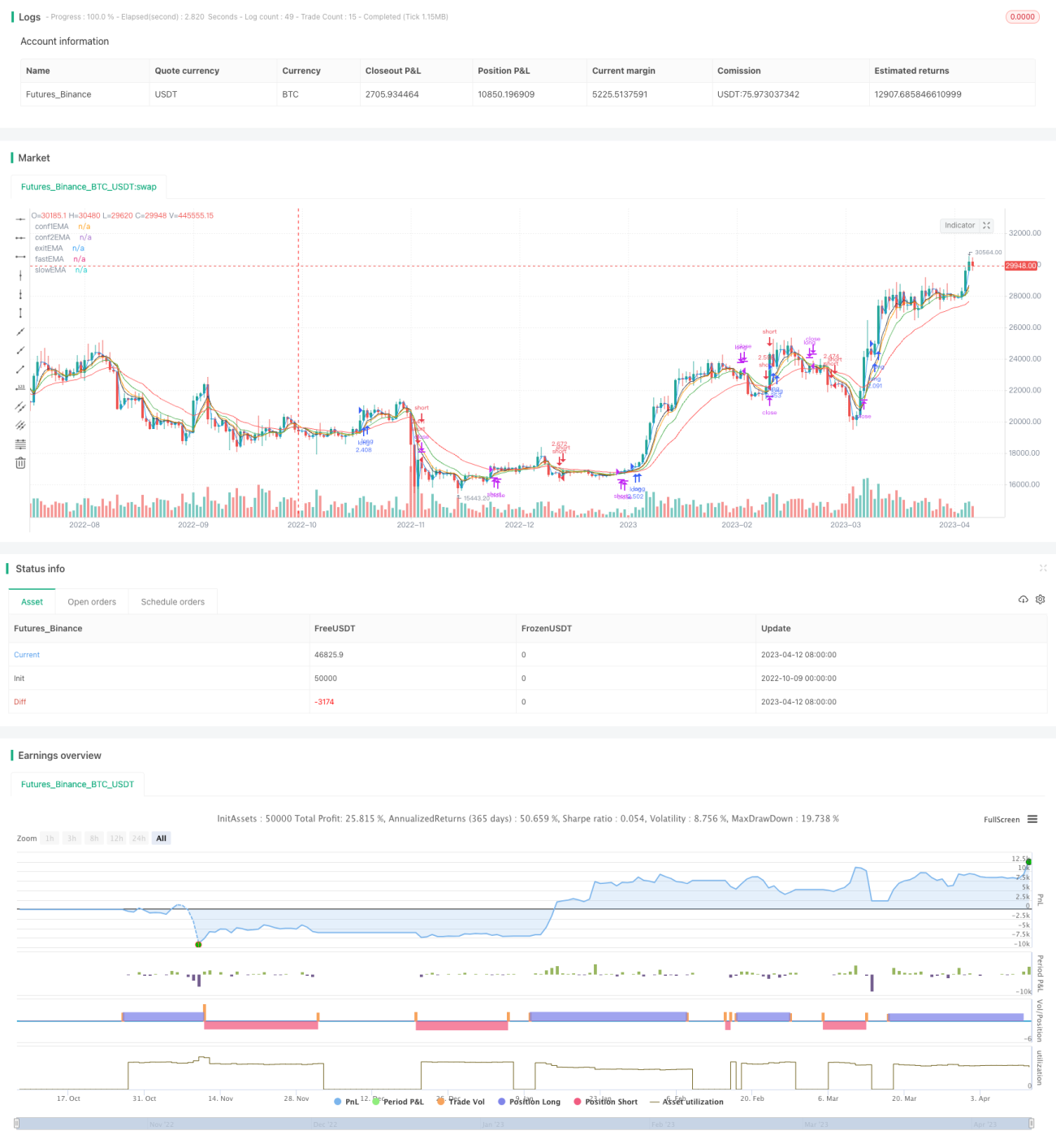
ڈبل EMA بریک آؤٹ ٹریڈنگ کی حکمت عملی


تخلیق کی تاریخ: 2023-10-16 16:24:00 آخر میں ترمیم کریں: 2023-10-16 16:24:00
کاپی: 1 کلکس کی تعداد: 738
1
پر توجہ دیں
1617
پیروکار

ڈبل EMA بریک آؤٹ ٹریڈنگ کی حکمت عملی

جائزہ

ڈبل ای ایم اے بریک ٹریڈنگ حکمت عملی ایک رجحان سے باخبر رہنے کی حکمت عملی ہے جو دو مختلف ادوار کے ای ایم اے اوسط سے خرید و فروخت کے سگنل کا فیصلہ کرتی ہے۔ یہ حکمت عملی ایک ہی وقت میں اضافی ای ایم اے اشارے کے ساتھ مل کر ٹریڈنگ سگنل فلٹرنگ کرتی ہے ، جس سے رجحان کی صورتحال میں داخل ہونے کا بہتر وقت ملتا ہے۔

اصول

یہ حکمت عملی خرید و فروخت کے وقت کا تعین کرنے کے لئے تیز لائن EMA ((9 سائیکل) اور سست لائن EMA ((21 سائیکل) کا استعمال کرتی ہے۔ جب تیز لائن سست لائن کو عبور کرتی ہے تو خرید کا اشارہ پیدا ہوتا ہے ، اور جب تیز لائن نیچے سست لائن کو عبور کرتی ہے تو فروخت کا اشارہ پیدا ہوتا ہے۔ جعلی سگنل کو فلٹر کرنے کے لئے ، حکمت عملی میں معاون EMA ((5 سائیکل) اور دو دیگر EMA ((1 ، 4 سائیکل) بھی متعارف کروائے گئے ہیں۔ معاون EMA صرف تیز اور سست لائنوں کے درمیان ہوتا ہے جب تیز رفتار لائن کے درمیان ہوتا ہے ، اور جب 1 سائیکل EMA 4 سائیکل EMA سے زیادہ ہوتا ہے تو حقیقی تجارتی سگنل کو متحرک کرتا ہے۔

جب ٹریڈنگ سگنل ٹرگر ہوجاتا ہے تو ، حکمت عملی اے ٹی آر کی قیمت کے مطابق اسٹاپ نقصان اور اسٹاپ آؤٹ لیٹ مرتب کرتی ہے۔ TP1 6 گنا اے ٹی آر ہے ، جو تیز رفتار منافع حاصل کرنے کے لئے استعمال کیا جاتا ہے۔ اگر قیمت TP1 کو متحرک نہیں کرتی ہے تو ، جب فوری EMA دوبارہ معاون EMA کو عبور کرتا ہے تو ، اس کی پوزیشن کو براہ راست ختم کردیا جاتا ہے ، جس سے TP2 اسٹاپ حاصل ہوتا ہے۔

فوائد

  • جعلی سگنل کو فلٹر کرنے کے لئے ڈبل ای ایم اے مجموعہ کا استعمال کرتے ہوئے ، ٹریڈنگ سگنل کے معیار کو بہتر بنایا جاسکتا ہے
  • ای ایم اے کے معاون اشارے رجحان کی سمت کی مزید تصدیق کرتے ہیں اور الٹا کام کرنے کے خطرے کو کم کرتے ہیں
  • دو اسٹاپ اسٹاپ ڈیزائن ، تیزی سے منافع بخش اور پائیدار رجحانات سے باخبر رہنے والا منافع
  • اے ٹی آر متحرک سٹاپ نقصان روک مارکیٹ کے اتار چڑھاو کے مطابق ایڈجسٹ کیا جا سکتا ہے، خطرے کو کم کرنے

خطرہ اور اصلاح

  • ای ایم اے اشارے آسانی سے منحنی فٹ ہونے کا سبب بنتے ہیں ، ٹریڈنگ سگنل پیچھے رہ سکتے ہیں
  • مختصر مدت کے ای ایم اے کے جوڑے زیادہ شور کے تجارتی سگنل پیدا کرسکتے ہیں
  • شارٹ لائن آپریشنز کو ہنگامی صورتحال کا سامنا کرنا پڑتا ہے ، جس سے نقصان کا خطرہ زیادہ ہوتا ہے۔

بہتر بنانے کی سمت:

  • ای ایم اے پیرامیٹرز کے ایک سے زیادہ مجموعوں کی جانچ کرنا
  • دوسرے اشارے کی توثیق میں اضافہ کریں ، جیسے تجارت کا حجم ، اتار چڑھاؤ ، وغیرہ
  • اسٹاپ نقصان کی حد کو مناسب طریقے سے کم کریں تاکہ اسٹاپ نقصان کے متحرک ہونے کا امکان کم ہوجائے
  • منافع کی رفتار اور فنڈز کے استعمال کی کارکردگی کو متوازن کرنے کے لئے ڈبل اسٹاپ سیٹ اپ تناسب کو بہتر بنائیں

خلاصہ کریں۔

ڈبل ای ایم اے توڑنے والی تجارتی حکمت عملی دو ای ایم اے کے کراس کا استعمال کرتے ہوئے رجحان کا فیصلہ کرتی ہے ، جس میں متعدد ای ایم اے فلٹرنگ اور اے ٹی آر متحرک اسٹاپ نقصان ہوتا ہے ، جو رجحانات کو مؤثر طریقے سے ٹریک کرسکتا ہے۔ لیکن ای ایم اے وکر فٹ ہونے ، نقصان کے خطرے جیسے مسائل پر توجہ دینے کی ضرورت ہے۔ پیرامیٹرز کی اصلاح ، رسک مینجمنٹ اور دیگر اقدامات کے ذریعہ ، زیادہ مستحکم تجارتی کارکردگی حاصل کی جاسکتی ہے۔ یہ حکمت عملی رجحانات کے حالات میں استعمال کرنے کے لئے مناسب ہے ، تاکہ اعلی فنڈ استعمال کی کارکردگی حاصل کی جاسکے۔

Overview

The dual EMA crossover trading strategy utilizes two EMA lines of different periods to generate buy and sell signals by identifying trend direction. It also incorporates additional EMA indicators for signal filtering, allowing better entry timing in trending markets.

Principles

The strategy uses a fast EMA line (9 periods) and a slow EMA line (21 periods) to determine entries. A golden cross where the fast EMA crosses above the slow EMA generates a buy signal, while a death cross with the fast EMA crossing below the slow EMA produces a sell signal. To filter out false signals, the strategy also employs an auxiliary EMA (5 periods) and two more EMAs (1 period, 4 periods). A real trading signal is only triggered when the fast and slow EMAs cross while the auxiliary EMA is between the two, and the 1-period EMA is above the 4-period EMA.

Once a trading signal is triggered, the strategy utilizes ATR values to set stop loss and take profit levels. TP1 is set at 6 x ATR for faster profit taking. If price doesn’t hit TP1, the strategy will close the position directly when the fast EMA crosses back over the auxiliary EMA, realizing TP2.

Advantages

  • Dual EMA design filters false signals and improves signal quality
  • Auxiliary EMA adds trend direction verification, reducing reverse trade risks
  • Dual take profit allows fast profit and sustained trend following
  • Dynamic ATR stop loss/take profit adjusts to market volatility

Risks and Improvements

  • EMAs can lag prices and generate late signals
  • Shorter EMA combos may produce more noise
  • Tighter stops face larger sudden event risks

Improvement directions:

  • Test multiple EMA combos for better parameters
  • Add other confirmation indicators like volume, volatility etc.
  • Widen stop loss to lower stop out odds
  • Optimize take profit ratios for profit vs capital efficiency

Conclusion

The dual EMA crossover strategy leverages EMA crosses for trend direction, along with multiple EMA filtering and dynamic ATR stop loss/profit taking. This allows effective trend following and profit harvesting. However, EMA fitting limitations and stop loss risks require caution. Proper optimization, risk management etc. can lead to more robust performance. The strategy suits experienced traders to achieve high capital efficiency in trending markets.

[/trans]

حکمت عملی کا ماخذ کوڈ
/*backtest
start: 2022-10-09 00:00:00
end: 2023-04-13 00:00:00
period: 1d
basePeriod: 1h
exchanges: [{"eid":"Futures_Binance","currency":"BTC_USDT"}]
*/

// This source code is subject to the terms of the Mozilla Public License 2.0 at https://mozilla.org/MPL/2.0/
// @author ADHDCRYPT0

//@version=4
strategy(title = "EMA double crossover", shorttitle = "(TEST) double cross over", overlay = true, default_qty_value = 100, initial_capital = 1000,default_qty_type=strategy.percent_of_equity, pyramiding=0, process_orders_on_close=true)


// Variables
ema_len1 = input(9 , title="Fast EMA")
ema_len2 = input(21, title="Slow EMA")
ema_len3 = input(5, title="Exit EMA")
ema_len4 = input(1, title="FastConf EMA")
ema_len5 = input(4, title="SlowConf EMA")

fastEMA = ema(open, ema_len1)
slowEMA = ema(open, ema_len2)
exitEMA = ema(open, ema_len3)
conf1EMA = ema(open, ema_len4)
conf2EMA = ema(open, ema_len5)
plot(fastEMA, title='fastEMA', transp=0, color=color.green)
plot(slowEMA, title='slowEMA', transp=0, color=color.red  )
plot(exitEMA, title='exitEMA', transp=0, color=color.orange)
plot(conf1EMA, title='conf1EMA', transp=0, color=color.blue)
plot(conf2EMA, title='conf2EMA', transp=0, color=color.black)

vol = volume 
volma = sma(volume,7)
vol_cond = vol>volma

atr = atr(5)


// Entry Conditions and vol_cond
long = crossover(fastEMA, slowEMA) and (conf1EMA > conf2EMA) and (fastEMA < exitEMA)
short= crossunder(fastEMA, slowEMA) and (conf1EMA < conf2EMA) and (fastEMA > exitEMA)

tradeType = input("BOTH", title="What trades should be taken : ", options=["LONG", "SHORT", "BOTH", "NONE"])

pos = 0.0

if tradeType=="BOTH"
    pos:= long? 1 : short? -1 : pos[1]
if tradeType=="LONG"
    pos:= long? 1 : pos[1]
if tradeType=="SHORT"
    pos:=short? -1 : pos[1]

longCond  = long  and (pos[1]!= 1 or na(pos[1]))
shortCond = short and (pos[1]!=-1 or na(pos[1]))

// EXIT FUNCTIONS //
sl  = input(1, title="Stop Loss (ATR)", minval=0)
tp  = input(6, title="Take Profit 1 (ATR)", minval=0)

// Simple Stop Loss + 2 Take Profits
sl_long   =  valuewhen(longCond , low - atr * sl, 0)
sl_short  =  valuewhen(shortCond, high+ atr * sl, 0)

tp_long  = valuewhen(longCond , high + atr * tp, 0)
tp_short = valuewhen(shortCond, low  - atr * tp, 0)


long_exit = crossover(fastEMA, exitEMA) and pos[1]==1
short_exit= crossover(exitEMA, fastEMA) and pos[1]==-1

if long_exit or short_exit
	pos:=0


// Position Adjustment
long_sl  = low <sl_long [1] and pos[1]==1
short_sl = high>sl_short[1] and pos[1]==-1

if long_sl or short_sl
    pos:=0
    
//  Strategy Backtest Limiting Algorithm
i_startTime = input(defval = timestamp("01 Sep 2002 13:30 +0000"), title = "Backtesting Start Time", type = input.time)
i_endTime = input(defval = timestamp("30 Sep 2099 19:30 +0000"), title = "Backtesting End Time", type = input.time)
timeCond = true


// Make sure we are within the bar range, Set up entries and exit conditions
if strategy.equity >0
    strategy.entry("long" , strategy.long , when=longCond  and timeCond and tradeType!="SHORT" , alert_message="INSERT MESSAGE HERE")
    strategy.entry("short", strategy.short, when=shortCond and timeCond and tradeType!="LONG" , alert_message="INSERT MESSAGE HERE")
    
    strategy.exit("SL/TP1", from_entry = "long" , stop=sl_long , limit=tp_long , alert_message="INSERT MESSAGE HERE")
    strategy.exit("SL/TP1", from_entry = "short", stop=sl_short, limit=tp_short, alert_message="INSERT MESSAGE HERE")

    strategy.exit("SL", from_entry = "long" , stop=sl_long, alert_message="INSERT MESSAGE HERE")
    strategy.exit("SL", from_entry = "short", stop=sl_short, alert_message="INSERT MESSAGE HERE")
    
    strategy.close("long", when=long_exit , comment="TP2", alert_message="INSERT MESSAGE HERE")
    strategy.close("short", when=short_exit, comment="TP2", alert_message="INSERT MESSAGE HERE")