دو متحرک اوسط موڑ پوائنٹ ٹریڈنگ حکمت عملی

خلاصہ
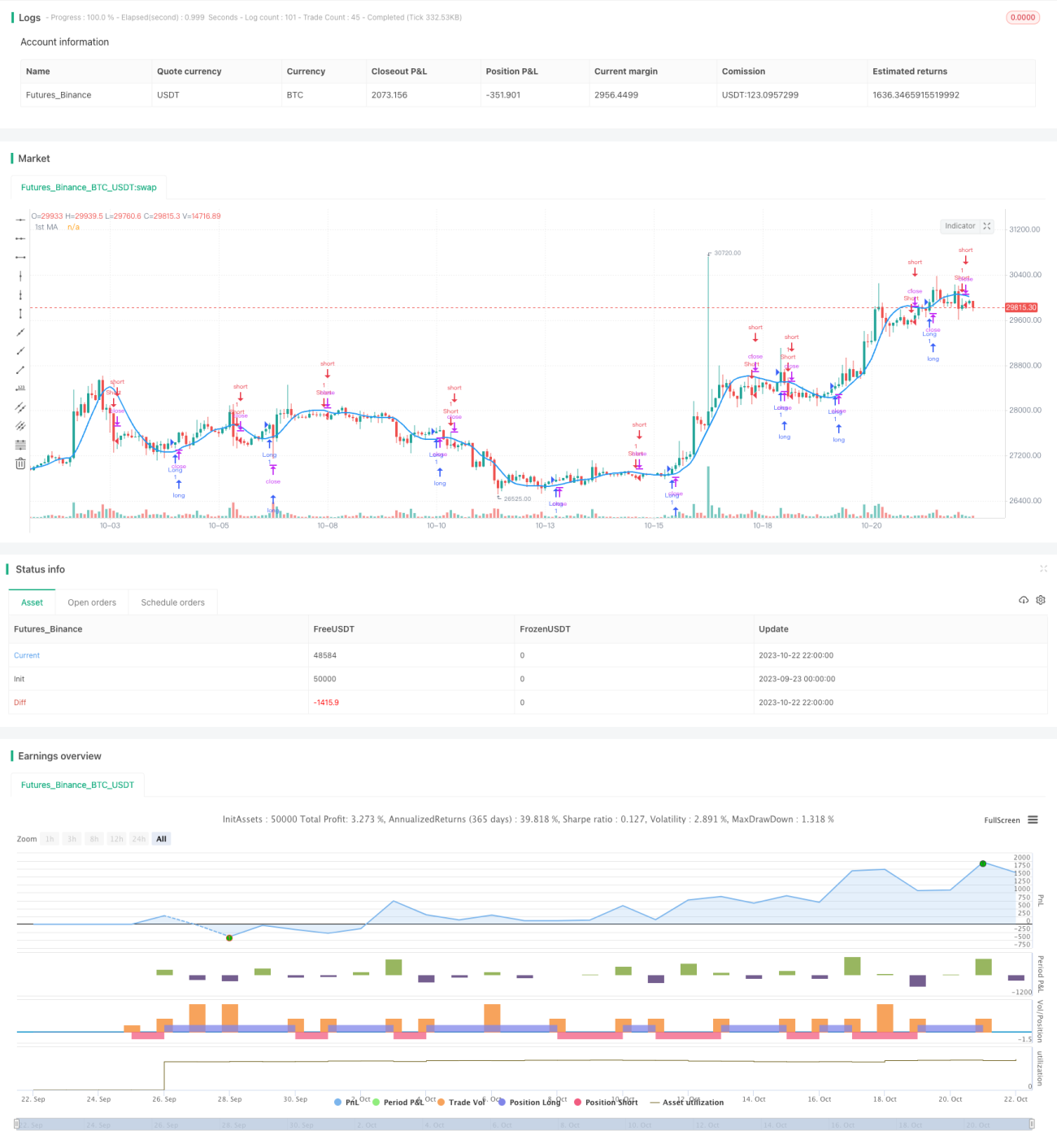
دو اوسط لائنوں کے موڑ پوائنٹس کی تجارتی حکمت عملی ایک ایسی حکمت عملی ہے جو اوسط لائنوں کے کراس پر مبنی ہے۔ یہ دو مختلف پیرامیٹرز کے ساتھ حرکت پذیر اوسط لائنوں کا استعمال کرتی ہے اور ان کے موڑ کے مطابق داخلے اور خارج ہونے کے مواقع کا تعین کرتی ہے۔ یہ حکمت عملی سادہ اور آسان ہے، اسے آسانی سے نافذ کیا جا سکتا ہے، اور یہ درمیانی سے طویل مدتی تجارت کے لیے موزوں ہے۔
حکمت عملی کا اصول
یہ حکمت عملی قیمت کو ان پٹ کے طور پر استعمال کرتی ہے اور دو مختلف پیرامیٹرز کے ساتھ دو اوسط لائنوں، SMA1 اور SMA2 کا حساب لگاتی ہے۔ حکمت عملی ROC انڈیکیٹر کا استعمال کرتے ہوئے اوسط لائنوں کے موڑ کا تعین کرتی ہے۔ جب SMA1 کی ROC قدر مثبت حد سے تجاوز کر جاتی ہے تو اسے SMA1 کا اوپر کی طرف موڑ سمجھا جاتا ہے اور SMA1 کا اوپر کا سگنل ریکارڈ کیا جاتا ہے۔ جب SMA1 کی ROC قدر منفی حد سے نیچے آ جاتی ہے تو اسے SMA1 کا نیچے کی طرف موڑ سمجھا جاتا ہے اور SMA1 کا نیچے کا سگنل ریکارڈ کیا جاتا ہے۔ SMA2 کے لیے فیصلے کا منطق ایک جیسا ہے۔
جب SMA1 اوپر کی طرف مڑتا ہے اور پچھلی کینڈل کا SMA2 نیچے کی طرف مڑتا ہے تو خرید کا سگنل پیدا ہوتا ہے (لمبی پوزیشن)۔ جب SMA1 نیچے کی طرف مڑتا ہے اور پچھلی کینڈل کا SMA2 اوپر کی طرف مڑتا ہے تو فروخت کا سگنل پیدا ہوتا ہے (چھوٹی پوزیشن)۔
یہ حکمت عملی تجارتی سمت کا تعین کرنے کے لیے دو اوسط لائنوں کے موڑ کا استعمال کرتی ہے اور داخلے کے وقت کی تصدیق کے لیے ایک اوسط لائن کے موڑ کا استعمال کرتی ہے۔ دو اوسط لائنوں کا کراس اس بات کو یقینی بناتا ہے کہ مارکیٹ میں داخلے کے وقت رجحان تبدیل ہو چکا ہے، جس سے جھوٹے بریک آؤٹ کو مؤثر طریقے سے فلٹر کیا جا سکتا ہے۔
فوائد کا تجزیہ
-
دو اوسط لائنوں کے کراس اور موڑ کا استعمال کرتے ہوئے جھوٹے بریک آؤٹ کو مؤثر طریقے سے فلٹر کیا جا سکتا ہے، جس سے داخلے کی درستگی بہتر ہوتی ہے۔
-
اوسط لائنوں کے موڑ کو ROC انڈیکیٹر کے ساتھ جوڑ کر موڑ کے وقت کو واضح طور پر پہچانا جا سکتا ہے، جس سے بار بار تجارت سے بچا جا سکتا ہے۔
-
درمیانی سے طویل مدتی دو اوسط لائنوں کا استعمال کرتے ہوئے مرکزی رجحان کی پیروی کی جا سکتی ہے اور رجحان سے بڑا منافع حاصل کیا جا سکتا ہے۔
-
حکمت عملی کا منطق سادہ اور واضح ہے، اسے سمجھنا اور نافذ کرنا آسان ہے، اور یہ مقداری تجارت کے ابتدائی افراد کے لیے موزوں ہے۔
-
پیرامیٹرز کو مختلف مارکیٹ کے حالات کے مطابق ڈھالنے کے لیے اپنی مرضی سے ترتیب دیا جا سکتا ہے، جس سے اس کی موافقت میں اضافہ ہوتا ہے۔
خطرے کا تجزیہ
-
اتار چڑھاؤ والی مارکیٹ میں دو اوسط لائنوں کا کراس بہت سے جھوٹے سگنل پیدا کر سکتا ہے، جس سے نقصان ہو سکتا ہے۔
-
ROC کے پیرامیٹرز کو درست طریقے سے بہتر بنانے کی ضرورت ہے، ورنہ موڑ کی پہچان میں غلطی ہو سکتی ہے، جس سے حکمت عملی کی کارکردگی متاثر ہو سکتی ہے۔
-
بڑے چکروں والی اتار چڑھاؤ والی مارکیٹ میں متعدد بار اسٹاپ لاس لگ سکتا ہے۔ اس سے بچنے کے لیے اسٹاپ لاس کی حد کو بڑھایا جا سکتا ہے۔
-
صرف اوسط لائنوں پر انحصار کرنے کی وجہ سے اچانک واقعات جیسے بڑی خبروں پر ردعمل دینا مشکل ہے، جس سے نقصان ہو سکتا ہے۔
-
پیرامیٹر کی اصلاح میں اوور فٹنگ کے مسئلے پر توجہ دینے کی ضرورت ہے۔ جانچ کی مدت کافی لمبی ہونی چاہیے تاکہ مارکیٹ کے مختلف حالات شامل ہوں۔
بہتری کے راستے
-
حرکت پذیر اوسط لائنوں کے پیرامیٹرز کو بہتر بنائیں تاکہ اوسط لائنوں کے ادوار کا بہترین مجموعہ تلاش کیا جا سکے۔
-
ROC کے پیرامیٹرز کو بہتر بنائیں تاکہ موڑ پوائنٹس کی پہچان کی درستگی بہتر ہو سکے۔
-
اسٹاپ لاس میکانزم شامل کریں، جیسے کہ اپنی مرضی سے قیمت کی سطحوں کو توڑنے پر مبنی متحرک اسٹاپ لاس۔
-
اضافی شرائط شامل کریں، جیسے کہ حجم کے انڈیکیٹر کا محرک، تاکہ جھوٹے بریک آؤٹ سے بچا جا سکے۔
-
دیگر انڈیکیٹرز جیسے MACD، BOLL وغیرہ کے ساتھ ملا کر فیصلہ سازی کی صلاحیت کو بہتر بنائیں۔
-
مشین لرننگ جیسے طریقوں کا استعمال کرتے ہوئے پیرامیٹرز کو خودکار طور پر بہتر بنائیں تاکہ مارکیٹ کی تبدیلیوں کے مطابق ڈھالا جا سکے۔
خلاصہ
دو اوسط لائنوں کے موڑ پوائنٹس کی حکمت عملی مجموعی طور پر ایک سادہ اور عملی رجحان کی پیروی کرنے والی حکمت عملی ہے۔ اسے صرف بنیادی اوسط لائنوں کے انڈیکیٹرز کے ساتھ نافذ کیا جا سکتا ہے، اس کا منطق واضح اور سمجھنے میں آسان ہے، اور یہ مقداری تجارت کے ابتدائی افراد کے لیے سیکھنے اور مشق کرنے کے لیے بہت موزوں ہے۔ پیرامیٹر کی اصلاح اور اسٹاپ لاس میکانزم کی بہتری کے ذریعے حکمت عملی کے استحکام میں بہت زیادہ اضافہ کیا جا سکتا ہے۔ دیگر معاون انڈیکیٹرز کے ساتھ استعمال کرنے سے حکمت عملی کے اثرات کو مزید بڑھایا جا سکتا ہے۔ اس حکمت عملی میں حسب ضرورت کی اعلیٰ صلاحیت ہے، اور اسے مختلف مارکیٹ کے حالات میں لچکدار طریقے سے استعمال کیا جا سکتا ہے، جو کہ دو اوسط لائنوں کی تجارت کے لیے ایک قابل تجویز حکمت عملی ہے۔
Overview
The Dual Moving Average Turning Point strategy is a trend following strategy based on moving average crossovers. It uses two moving averages with different parameter settings and determines entry and exit points according to their turning directions. This strategy is simple and intuitive, easy to implement, and suitable for medium-to-long term trading.
Strategy Logic
The strategy uses Price as the price input source and calculates two moving averages, SMA1 and SMA2, with different parameters. It uses the ROC indicator to determine the turning directions of the moving averages. When SMA1's ROC value exceeds the positive threshold, it is considered an upward turn of SMA1 and an upward signal is recorded. When SMA1's ROC value breaks the negative threshold, it is considered a downward turn of SMA1 and a downward signal is recorded. The judgment logic for SMA2 is similar.
When SMA1 turns upward and the previous bar's SMA2 turns downward, a buy signal is generated to go long. When SMA1 turns downward and the previous bar's SMA2 turns upward, a sell signal is generated to go short.
The strategy uses the turning directions of two moving averages to determine the trading direction and the turning of one moving average to confirm entry timing. The dual moving average crossover ensures the trend has changed when entering the market, which helps avoid false breakouts.
Advantage Analysis
-
Using dual moving average crossover and turning points can effectively filter out false breakouts and improve entry accuracy.
-
Combining moving average turning points with the ROC indicator can clearly identify turning points and avoid frequent trading.
-
Adopting medium-to-long-term dual moving averages can track the main trend and achieve sizable trend profits.
-
The strategy logic is simple and clear, easy to understand and implement, suitable for quant trading beginners.
-
Customizable parameters suit different market environments with strong adaptability.
Risk Analysis
-
Dual moving average crossovers may generate many false signals in ranging markets, leading to losses.
-
The ROC parameters need precise optimization, otherwise turn recognition will have errors, affecting strategy performance.
-
Large periodic ranging markets may trigger stop loss multiple times. Expanding stop loss range can avoid it.
-
Relying solely on moving averages, it's hard to respond to sudden events like major news, which may lead to losses.
-
Note the overfitting problem in parameter optimization. Test period should be long enough to include different market conditions.
Optimization Directions
-
Optimize moving average parameters to find the best moving average period combination.
-
Optimize ROC parameters to improve turning point recognition accuracy.
-
Add stop loss mechanisms such as dynamic stop loss based on breaking customized price levels.
-
اضافی حالات شامل کریں جیسے حجم کے اشارے تاکہ جھوٹی بریک آؤٹ سے بچا جا سکے۔
-
دیگر اشارے جیسے MACD، BOLL کو شامل کریں تاکہ فیصلہ سازی میں بہتری آئے۔
-
مشین لرننگ وغیرہ کا استعمال کریں تاکہ پیرامیٹرز خود بخود بہتر ہوں اور مارکیٹ کی تبدیلیوں کے مطابق ڈھل سکیں۔
خلاصہ
خلاصہ یہ ہے کہ ڈوئل موونگ ایوریج ٹرننگ پوائنٹ کی حکمت عملی ایک سادہ اور عملی رجحان کی پیروی کرنے والی حکمت عملی ہے۔ اسے بنیادی موونگ ایوریج اشارے کے ساتھ لاگو کیا جا سکتا ہے اور اس کی منطق واضح اور سمجھنے میں آسان ہے، جس کی وجہ سے یہ مقداری تجارت کے ابتدائی افراد کے لیے سیکھنے اور مشق کرنے کے لیے بہت موزوں ہے۔ پیرامیٹر کی بہتری اور نقصان کو روکنے کی بہتری کے ساتھ، حکمت عملی کے استحکام میں بہت زیادہ اضافہ کیا جا سکتا ہے۔ دیگر معاون اشارے کے ساتھ ملا کر اس حکمت عملی کو مزید بہتر بنایا جا سکتا ہے۔ انتہائی حسب ضرورت حکمت عملی کو مختلف مارکیٹ ماحول میں لچکدار طریقے سے لاگو کیا جا سکتا ہے، یہ ایک تجویز کردہ ڈوئل موونگ ایوریج تجارتی حکمت عملی ہے۔
- 1