ماہانہ بند قیمت اور مووونگ ایوریج کراس اوور کی حکمت عملی

جائزہ
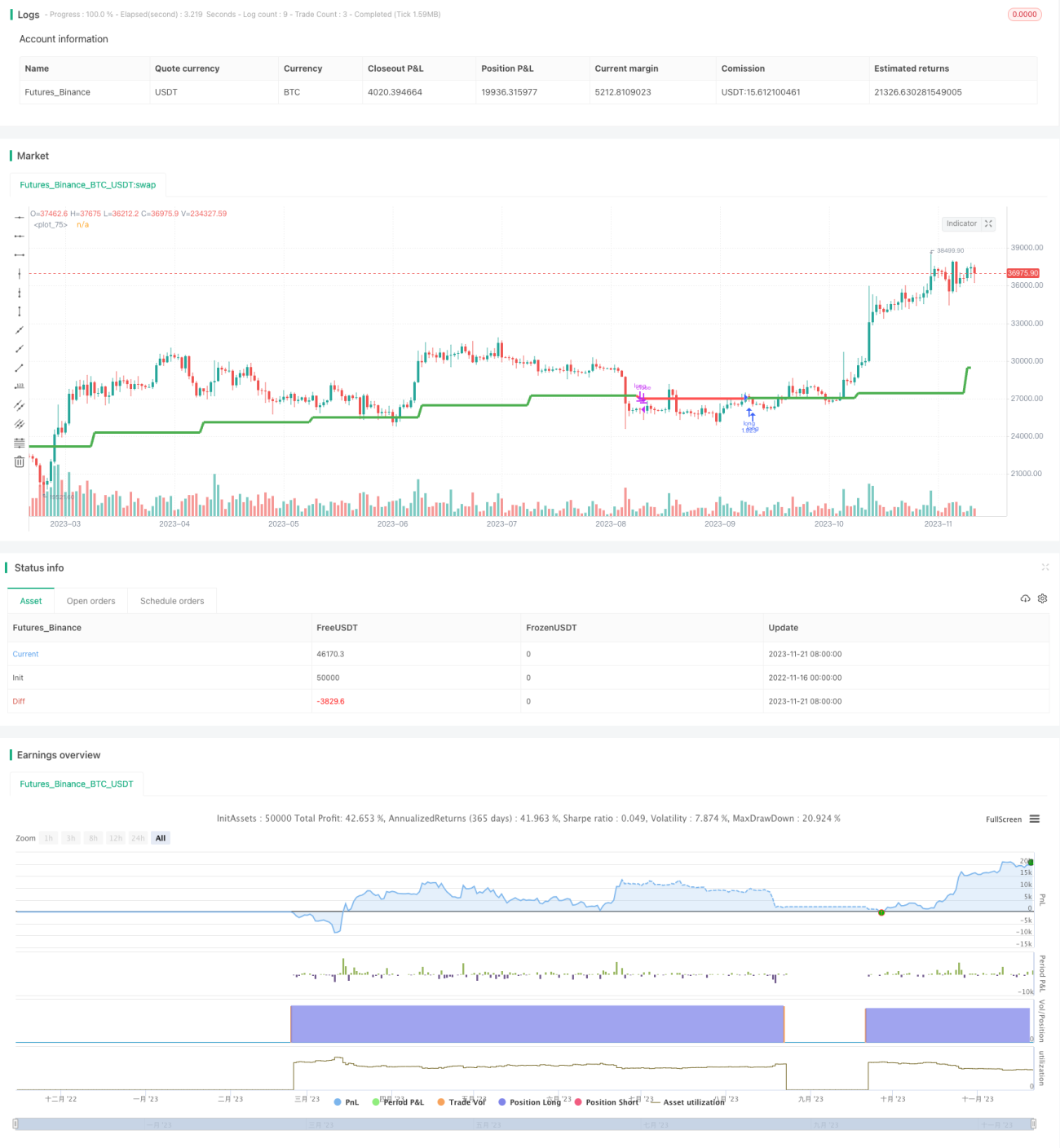
یہ حکمت عملی ماہانہ اختتامی قیمت اور متحرک اوسط کے درمیان کراس اوور کو استعمال کرتے ہوئے تجارتی سگنل تیار کرتی ہے۔ جب ماہانہ اختتامی قیمت متحرک اوسط کو اوپر سے عبور کرتی ہے تو پوزیشن شروع کی جاتی ہے، اور جب ماہانہ اختتامی قیمت متحرک اوسط کو نیچے سے عبور کرتی ہے تو پوزیشن بند کر دی جاتی ہے۔
حکمت عملی کا اصول
اس حکمت عملی کا بنیادی منطق درج ذیل ہے:
- متحرک اوسط کی مدت کا پیرامیٹر درج کریں، SMA یا EMA میں سے انتخاب کیا جا سکتا ہے۔
- متحرک اوسط کو ظاہر کرنے کا اختیار ہوتا ہے۔
- کسی دوسرے اسٹاک کی اختتامی قیمت کو سگنل کے طور پر منتخب کیا جا سکتا ہے۔
- ماہانہ اختتامی قیمت اور متحرک اوسط کے تعلق کی بنیاد پر تجارتی سگنل کا تعین کیا جاتا ہے۔
- اختتامی قیمت متحرک اوسط کو اوپر سے عبور کرے تو پوزیشن شروع کریں۔
- اختتامی قیمت متحرک اوسط کو نیچے سے عبور کرے تو پوزیشن بند کریں۔
یہ حکمت عملی متحرک اوسط کی ہموار خصوصیات کا فائدہ اٹھاتی ہے، قیمت کے کچھ شور کو فلٹر کرتے ہوئے اسٹاک کی قیمت میں درمیانی مدت کے رجحان کی تبدیلی کو پکڑتی ہے۔ جب قیمت اوسط کو اوپر سے عبور کرتی ہے تو اس کا مطلب ہے کہ قیمت بیل مارکیٹ کا رجحان بنا رہی ہے. جب قیمت اوسط کو نیچے سے عبور کرتی ہے تو اس کا مطلب ہے کہ قیمت کا رجحان بیئر مارکیٹ میں تبدیل ہو رہا ہے۔
حکمت عملی کے فوائد
اس حکمت عملی کے درج ذیل اہم فوائد ہیں:
- ماہانہ ڈیٹا کا استعمال، رات بھر کے شور کو مؤثر طریقے سے فلٹر کرتا ہے اور اسٹاک کے درمیانی سے طویل مدتی رجحان کو پکڑتا ہے۔
- متحرک اوسط کی مدت کو حسب ضرورت تبدیل کیا جا سکتا ہے، جس سے مختلف اسٹاک کے مطابق پیرامیٹرز کو بہتر بنایا جا سکتا ہے۔
- سگنل کے ذریعہ کے طور پر کسی دوسرے اسٹاک کا انتخاب کیا جا سکتا ہے، جس سے استحکام بڑھانے میں مدد ملتی ہے۔
- جدید اینٹی ری پینٹنگ ٹیکنالوجی کا استعمال، بیک ٹیسٹنگ کو مؤثر طریقے سے روکتا ہے۔
- کسی بھی صوابدیدی بیک ٹیسٹ ٹائم پیریڈ میں داخل ہو سکتے ہیں، جانچ اور اصلاح میں آسانی فراہم کرتا ہے۔
مجموعی طور پر، یہ حکمت عملی کا فریم ورک سادہ اور عملی ہے، اور پیرامیٹرز کو بہتر بنا کر زیادہ تر اسٹاک پر لاگو کیا جا سکتا ہے، خاص طور پر درمیانی سے طویل مدتی سرمایہ کاروں کے لیے موزوں ہے۔
حکمت عملی کے خطرات
اس حکمت عملی میں کچھ خطرات بھی موجود ہیں، جو بنیادی طور پر درج ذیل پہلوؤں پر مرکوز ہیں:
- ماہانہ ڈیٹا کی اپ ڈیٹ سست ہوتی ہے، جس کی وجہ سے قیمت کی تبدیلیوں کو حقیقی وقت میں نہیں دیکھا جا سکتا۔
- کچھ تاخیر ہوتی ہے، جس کی وجہ سے قلیل مدتی تجارتی مواقع ضائع ہو سکتے ہیں۔
- متحرک اوسط میں تاخیر کی خاصیت ہوتی ہے، جس کی وجہ سے سگنل کے ظاہر ہونے کا وقت قابل کنٹرول نہیں ہوتا۔
- پیرامیٹرز کا غلط انتخاب بہت زیادہ قدامت پسندی یا مواقع سے محروم ہونے کا سبب بن سکتا ہے۔
خطرات کو کم کرنے کے لیے، درج ذیل پہلوؤں سے بہتری لائی جا سکتی ہے:
- کم ٹائم فریم والے تکنیکی اشاریوں کو بطور معاون فیصلہ استعمال کریں۔
- متحرک اوسط کی مدت کو ایڈجسٹ کریں تاکہ پیرامیٹرز کا بہترین امتزاج تلاش کیا جا سکے۔
- زیادہ مستحکم اثاثے کو سگنل کے ذریعہ کے طور پر استعمال کریں۔
- پوزیشن کے سائز کو مناسب طریقے سے ایڈجسٹ کریں تاکہ فی لین دین کے نقصان پر قابو پایا جا سکے۔
حکمت عملی کی بہتری کے ممکنہ راستے
اس حکمت عملی میں بہتری کی بہت گنجائش ہے، بنیادی طور پر درج ذیل پہلوؤں سے بہتری لائی جا سکتی ہے:
- منافع کو محفوظ رکھنے اور خطرے پر قابو پانے کے لیے اسٹاپ لاس کی حکمت عملی شامل کریں۔
- دیگر اشاریوں جیسے KD، MACD وغیرہ کے ساتھ مل کر، تجارتی سگنلز کی درستگی میں اضافہ کریں۔
- مشین لرننگ ٹیکنالوجی کا استعمال کرتے ہوئے متحرک اوسط کے پیرامیٹرز کو متحرک طور پر بہتر بنائیں۔
- پوزیشن مینجمنٹ ماڈیول شامل کریں تاکہ پوزیشن کا سائز رجحان کے مطابق بدلتا رہے۔
- لانگ اور شارٹ میں تبدیلی کی سہولت شامل کریں، تاکہ مارکیٹ کی صورتحال کے مطابق لچکدار طریقے سے ایڈجسٹ کیا جا سکے۔
- کم ٹائم فریم کی کینڈل اسٹکس کے ساتھ انضمام، تاکہ زیادہ حساس تجارت ممکن ہو سکے۔
خلاصہ
ماہانہ اختتامی قیمت اور متحرک اوسط کے کراس اوور کی حکمت عملی مجموعی طور پر واضح اور لاگو کرنے میں آسان ہے۔ پیرامیٹرز کو ایڈجسٹ کرکے اسے مختلف اسٹاک پر لاگو کیا جا سکتا ہے، اور یہ خاص طور پر درمیانی سے طویل مدتی سرمایہ کاروں کے لیے موزوں ہے۔ اسٹاپ لاس اور پیرامیٹر کی اصلاح جیسے ماڈیولز کی مسلسل مضبوطی کے ساتھ، اس حکمت عملی سے بہتر کارکردگی متوقع ہے۔
- 1