RSI ٹرینڈ فالونگ ٹریلنگ سٹاپ اسٹریٹیجی

خلاصہ
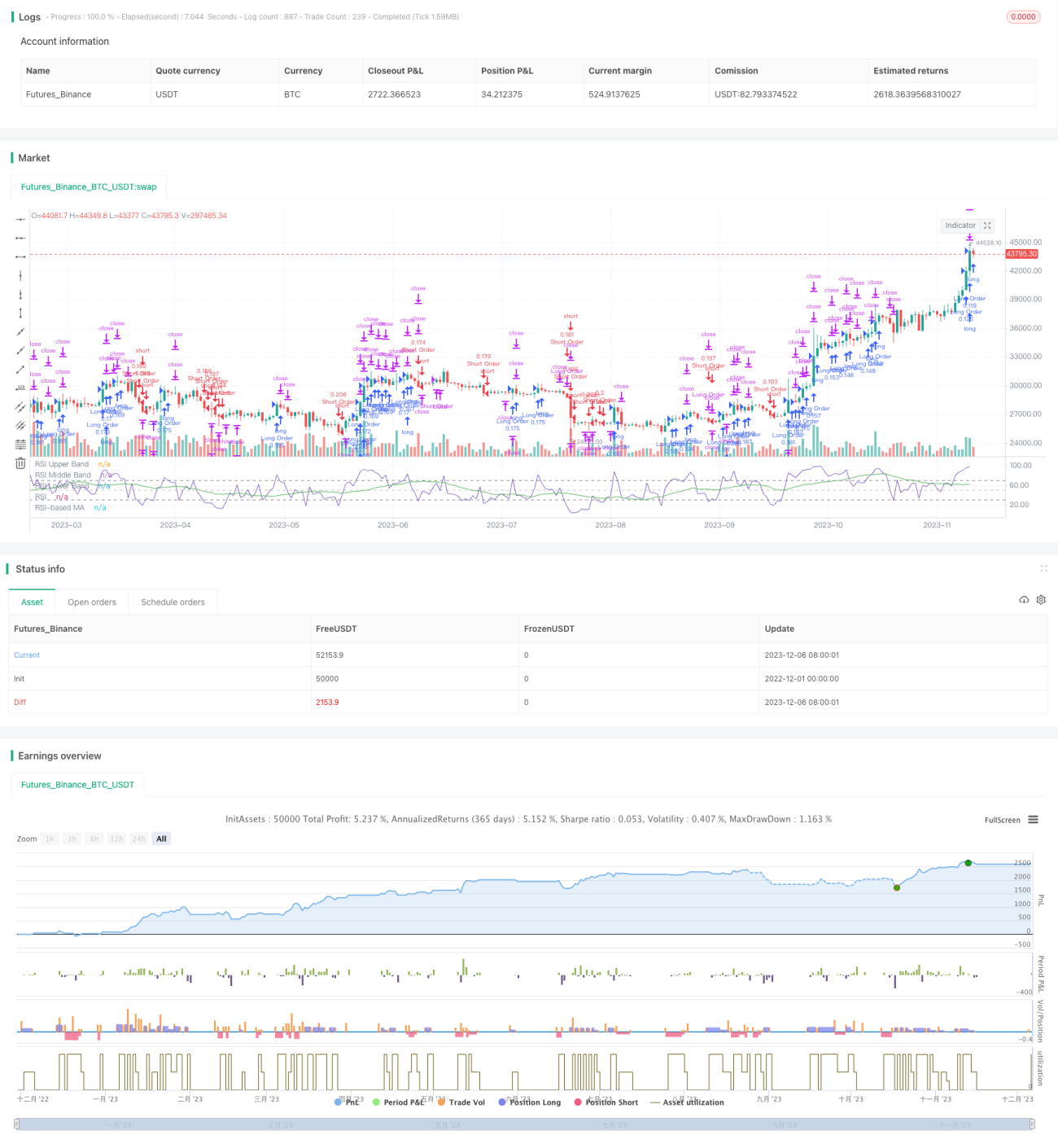
یہ حکمت عملی ایک خودکار ٹریڈنگ حکمت عملی ہے جو RSI انڈیکیٹر کا استعمال کرتے ہوئے رجحان کی شناخت کرتی ہے اور تصدیق کے لیے موونگ ایوریج کا استعمال کرتی ہے، جس میں سٹاپ لاس اور ٹیک پروفیٹ مقرر کیے جاتے ہیں۔ جب RSI 68 سے زیادہ ہو اور موجودہ موونگ ایوریج پچھلی موونگ ایوریج کو اوپر سے کراس کرے تو لانگ پوزیشن لی جاتی ہے۔ جب RSI 28 سے کم ہو اور موجودہ موونگ ایوریج پچھلی موونگ ایوریج کو نیچے سے کراس کرے تو شارٹ پوزیشن لی جاتی ہے۔ ساتھ ہی سٹاپ لاس اور ٹیک پروفیٹ پوائنٹس مقرر کیے جاتے ہیں۔
حکمت عملی کا اصول
یہ حکمت عملی بنیادی طور پر RSI انڈیکیٹر کا استعمال کرتے ہوئے زیادہ خریدی ہوئی (overbought) اور زیادہ فروخت ہوئی (oversold) صورتحال کو پہچان کر رجحان کی نشاندہی کرتی ہے۔ جب RSI 70 سے زیادہ ہوتا ہے تو یہ اوورباؤٹ زون ہوتا ہے، اور جب 30 سے کم ہوتا ہے تو اوور سولڈ زون ہوتا ہے۔ موونگ ایوریج کے گولڈن کراس اور ڈیتھ کراس کو رجحان کی تصدیق کے لیے استعمال کیا جاتا ہے۔ مخصوص ٹریڈنگ سگنل درج ذیل ہیں:
لانگ سگنل: RSI 68 سے زیادہ ہے اور موجودہ موونگ ایوریج پچھلی موونگ ایوریج کو اوپر سے کراس کرتی ہے، تو لانگ کریں۔
شارٹ سگنل: RSI 28 سے کم ہے اور موجودہ موونگ ایوریج پچھلی موونگ ایوریج کو نیچے سے کراس کرتی ہے، تو شارٹ کریں۔
سٹاپ لاس اور ٹیک پروفیٹ کو ہر پوائنٹ کے لیے مختلف تناسب سے مقرر کیا گیا ہے، نسبتاً ڈھیلے سے لے کر زیادہ سخت تک، مندرجہ ذیل ہے:
لانگ ٹیک پروفیٹ: اونچائی کے 1.4% پر آدھی پوزیشن کا منافع لیں، اونچائی کے 0.8% پر پوری پوزیشن بند کریں۔
لانگ سٹاپ لاس: داخلے کی قیمت کا 2% سٹاپ لاس مقرر کریں۔
شارٹ ٹیک پروفیٹ: نیچی قیمت کے 0.4% پر آدھی پوزیشن کا منافع لیں، نیچی قیمت کے 0.8% پر پوری پوزیشن بند کریں۔
شارٹ سٹاپ لاس: داخلے کی قیمت کا 2% سٹاپ لاس مقرر کریں۔
ساتھ ہی، جب رجحان تبدیل ہوتا ہے، مثال کے طور پر لانگ پوزیشن کے دوران RSI 30 سے نیچے آجائے تو مارکیٹ قیمت پر پوری پوزیشن بند کر دی جائے؛ شارٹ پوزیشن کے دوران RSI 60 سے اوپر چلا جائے تو مارکیٹ قیمت پر پوری پوزیشن بند کر دی جائے۔
حکمت عملی کے فوائد
- RSI انڈیکیٹر کا استعمال کرتے ہوئے اوورباؤٹ اور اوور سولڈ صورتحال کا اندازہ لگایا جاتا ہے، جس سے اونچائی پر خریدنے اور نیچی پر بیچنے سے بچا جا سکتا ہے۔
- موونگ ایوریج رجحان کو فلٹر کرتی ہے، جس سے غیر اہم سمت میں ٹریڈنگ کم ہوتی ہے۔
- ترقی پذیر ٹیک پروفیٹ سیٹنگ سے منافع کو زیادہ سے زیادہ کیا جا سکتا ہے۔
- نسبتاً زیادہ سٹاپ لاس پوائنٹ سیٹ کرنے سے رجحان کو مناسب جگہ ملتی ہے۔
- رجحان کی تبدیلی کے اشارے پر مبنی ریورس کلیئرنگ حکمت عملی، غیر متوقع واقعات پر فوری ردعمل ظاہر کرتی ہے۔
حکمت عملی کے خطرات
- RSI پیرامیٹرز کی ترتیب کی وجہ سے شناخت کی کارکردگی کم ہو سکتی ہے۔
- موونگ ایوریج کے پیرامیٹرز کی ترتیب کی وجہ سے فلٹرنگ کی کارکردگی کم ہو سکتی ہے۔
- سٹاپ لاس بہت ڈھیلا ہونے کی وجہ سے نقصان بڑھنے کا خطرہ۔
- ٹیک پروفیٹ بہت تنگ ہونے کی وجہ سے منافع کو زیادہ سے زیادہ نہ کر پانا۔
- ریورس کلیئرنگ حکمت عملی کے غلط فیصلے کی وجہ سے غیر ضروری نقصان۔
ان خطرات سے نمٹنے کے لیے پیرامیٹرز کو بار بار جانچنا اور بہتر بنانا ضروری ہے۔ سٹاپ لاس اور ٹیک پروفیٹ کو مناسب طریقے سے مقرر کیا جانا چاہیے، ایک حد تک ڈھیلا رکھا جائے، اور مارکیٹ کے اتار چڑھاؤ کے مطابق ایڈجسٹ کیا جائے۔ کلیئرنگ حکمت عملی کو احتیاط سے استعمال کیا جانا چاہیے تاکہ انڈیکیٹر کی غلط تشریح سے ہونے والے نقصان سے بچا جا سکے۔
بہتری کے رخ
مندرجہ ذیل پہلوؤں سے مزید بہتری لائی جا سکتی ہے:
- مزید فلٹر انڈیکیٹرز شامل کریں تاکہ سگنل کی درستگی بڑھے۔ مثال کے طور پر ٹریڈنگ والیوم فلٹر شامل کریں۔
- سٹاپ لاس حکمت عملی کو ایڈجسٹ کریں، سب سے زیادہ قیمت اور سب سے کم قیمت کو ٹریک کرتے ہوئے مووینگ سٹاپ لاس نافذ کریں۔
- جزوی ٹیک پروفیٹ کو ٹریلنگ ٹیک پروفیٹ میں تبدیل کریں تاکہ منافع کو زیادہ سے زیادہ کیا جا سکے۔
- مختلف ڈیٹا ذرائع کے درمیان سوئچ کریں، مختلف مصنوعات کے لیے مختلف ادوار کے پیرامیٹرز استعمال کریں۔
- فیوچرز میں خالی پوزیشن رکھنے کی لاگت پر غور کریں، سٹاپ لاس اور ٹیک پروفیٹ کو متحرک طور پر ایڈجسٹ کریں۔
خلاصہ
یہ حکمت عملی مجموعی طور پر ایک پختہ اور قابل اعتماد رجحان کی پیروی کرنے والی حکمت عملی ہے۔ یہ RSI کے ذریعے اوورباؤٹ اور اوور سولڈ صورتحال کا تعین کر کے ٹریڈنگ کی سمت طے کرتی ہے۔ تصدیق کے لیے موونگ ایوریج کا استعمال کرتی ہے۔ ساتھ ہی مناسب سٹاپ لاس اور ترقی پذیر ٹیک پروفیٹ مقرر کرتی ہے۔ یہ رجحان میں اچھے منافع حاصل کر سکتی ہے۔ اگر پیرامیٹرز کو اچھی طرح سے بہتر بنایا جائے تو یہ رجحانی مارکیٹ میں بہترین کارکردگی دکھا سکتی ہے۔ مزید بہتری کے بعد اس سے شاندار نتائج حاصل کیے جا سکتے ہیں۔
// © CRabbit
//@version=5

// Starting with $100 and using 10% of the account per trade
strategy("RSI Template", shorttitle="RSI", overlay=false, initial_capital=100, default_qty_value=10, default_qty_type=strategy.percent_of_equity)

// RSI Indicator
ma(source, length, type) =>
    switch type
        "SMA" => ta.sma(source, length)
        "Bollinger Bands" => ta.sma(source, length)
"EMA" => ta.ema(source, length)- 1