دو ایم اے کراس اوور ٹرینڈ فالونگ حکمت عملی

جائزہ
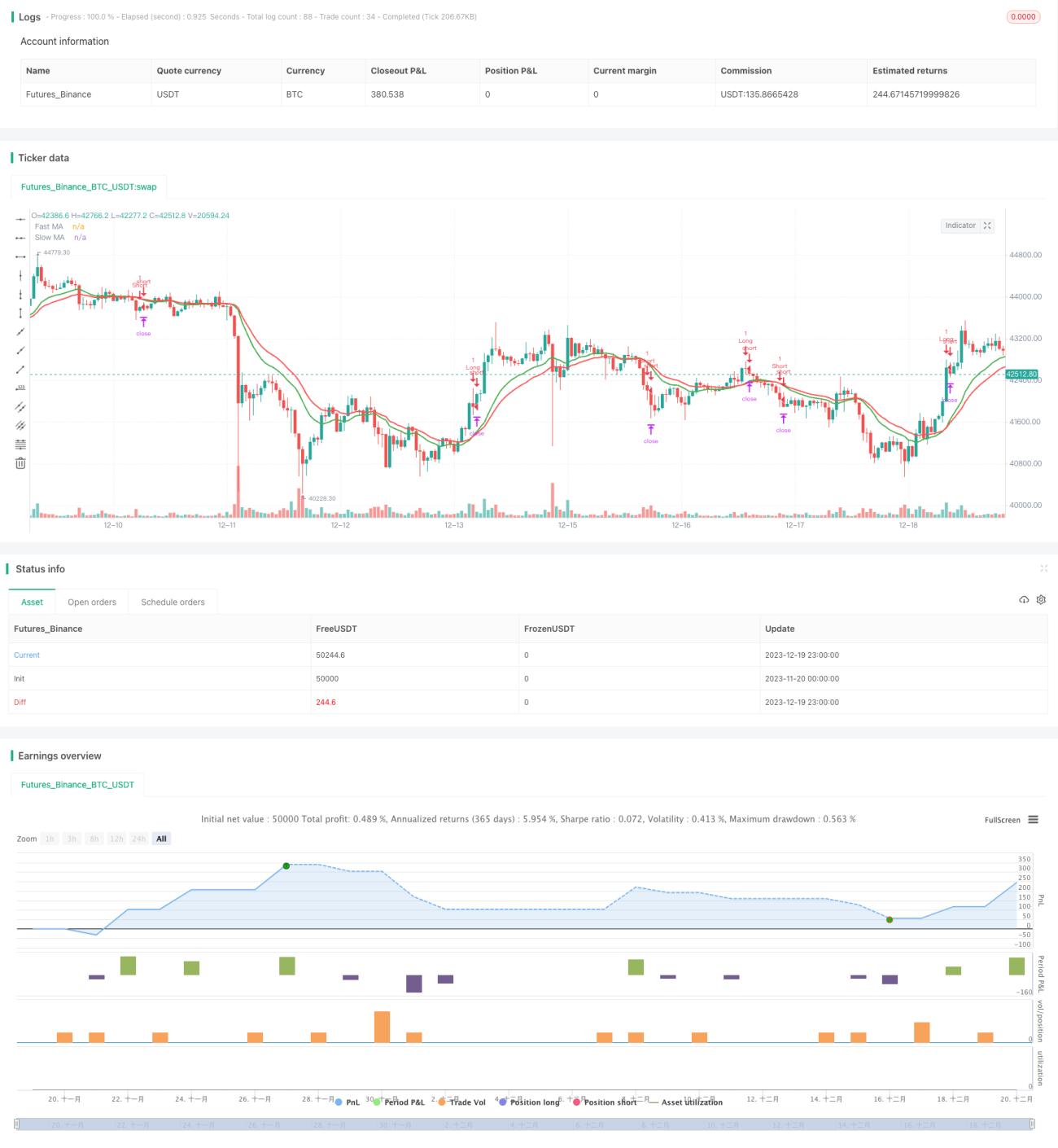
یہ حکمت عملی دو مووِنگ ایوریجز کے کراس پر مبنی ایک عام ٹرینڈ فالو کرنے کا طریقہ استعمال کرتی ہے، اور ساتھ میں رسک مینجمنٹ کے طریقہ کار جیسے اسٹاپ لاس، ٹیک پروفٹ، اور ٹریلنگ اسٹاپ کو بھی شامل کرتی ہے، تاکہ رجحان کی صورت میں زیادہ منافع حاصل کیا جا سکے۔
حکمت عملی کا اصول
- مختصر مدت کے لیے فاسٹ پیریڈ n دنوں کا EMA (ایکسپونیشل مووِنگ ایوریج) شمار کریں، جو قلیل مدتی لائن ہوگی۔
- طویل مدت کے لیے سلو پیریڈ m دنوں کا EMA شمار کریں، جو طویل مدتی لائن ہوگی۔
- جب قلیل مدتی لائن نیچے سے اوپر جا کر طویل مدتی لائن کو کراس کرے تو لانگ (خرید) پوزیشن لیں؛ جب اوپر سے نیچے کراس کرے تو شارٹ (فروخت) پوزیشن لیں۔
- پوزیشن بند کرنے کی شرط: مخالف سمت میں کراس (مثلاً اگر لانگ پوزیشن ہے اور مخالف کراس ہو تو بند کریں)۔
- رسک کو منظم کرنے کے لیے اسٹاپ لاس، ٹیک پروفٹ، اور ٹریلنگ اسٹاپ جیسے طریقے استعمال کریں۔
فوائد کا تجزیہ
- دو EMA لائنوں کا استعمال قیمت کے رجحان کے موڑ کو بہتر طور پر پہچاننے اور رجحانی حرکت کو پکڑنے میں مدد کرتا ہے۔
- اسٹاپ لاس، ٹیک پروفٹ اور ٹریلنگ اسٹاپ کے امتزاج سے ہر تجارت میں ہونے والے نقصان کو مؤثر طریقے سے کنٹرول کیا جا سکتا ہے، منافع کو محفوظ بنایا جا سکتا ہے، اور ڈرا ڈاؤن کو کم کیا جا سکتا ہے۔
- بہت سے پیرامیٹرز کو صارف کی مرضی کے مطابق تبدیل کیا جا سکتا ہے، جسے مختلف مصنوعات اور مارکیٹ کی صورتحال کے مطابق بہتر بنایا جا سکتا ہے۔
- حکمت عملی کی منطق سادہ اور واضح ہے، جسے سمجھنا اور تبدیل کرنا آسان ہے۔
- لانگ اور شارٹ دونوں طرح کی تجارتوں کو سپورٹ کرتی ہے، لہٰذا یہ مختلف قسم کی مارکیٹ کی صورتحال کے مطابق ڈھل سکتی ہے۔
خطرات کا تجزیہ
- دو مووِنگ ایوریجز پر مبنی حکمت عملی جعلی بریک آؤٹ (فال بریک) کے لیے بہت حساس ہے، جس کی وجہ سے قیمت میں پھنسنے کا امکان زیادہ ہوتا ہے۔
- پیرامیٹرز کی غلط ترتیب سے بار بار تجارت ہو سکتی ہے، جس سے تجارتی اخراجات اور سلپیج (قیمت کے فرق) میں اضافہ ہوتا ہے۔
- خود حکمت عملی رجحان کے موڑ کا تعین نہیں کر سکتی، اس لیے دیگر اشارے کے ساتھ استعمال کرنا زیادہ مؤثر ہوتا ہے۔
- سائیڈ ویز (بغیر رجحان) مارکیٹ میں اکثر تجارتی سگنل ملتے ہیں، لیکن حقیقی منافع کم ہوتا ہے۔
- مختلف مصنوعات اور مارکیٹ کی صورتحال کے مطابق پیرامیٹرز کو بہتر بنانا ضروری ہے۔
خطرات کو کم کرنے کے طریقے:
- جعلی بریک آؤٹ کو فلٹر کرنے کے لیے دیگر اشارے شامل کریں۔
- پیرامیٹرز کو بہتر بنا کر تجارتی تعدد کم کریں۔
- رجحان کی نشاندہی کے لیے اضافی اشارے شامل کریں تاکہ سائیڈ ویز مارکیٹ میں تجارت سے بچا جا سکے۔
- پوزیشن کے سائز کو ایڈجسٹ کرکے ہر تجارت کے خطرے کو کم کریں۔
بہتری کے امکانات
اس حکمت عملی کو درج ذیل پہلوؤں سے بہتر بنایا جا سکتا ہے:
- تیز اور سست مووِنگ ایوریجز کے دورانیے کے پیرامیٹرز کو مختلف مصنوعات اور مارکیٹ کی صورتحال کے مطابق بہتر بنایا جا سکتا ہے۔
- دیگر اشارے جیسے MACD، KDJ شامل کرکے رجحان کا تعین اور جعلی بریک آؤٹ سگنلز کو فلٹر کیا جا سکتا ہے۔
- EMA کو SMA (سادہ مووِنگ ایوریج) یا WMA (وزن والی مووِنگ ایوریج) سے تبدیل کیا جا سکتا ہے۔
- ATR (اوسط حقیقی رینج) کی بنیاد پر اسٹاپ لاس کے فاصلے کو متحرک طور پر ایڈجسٹ کیا جا سکتا ہے۔
- پوزیشن مینجمنٹ کے طریقہ کار کی بنیاد پر ہر تجارت کے حجم کو لچکدار طریقے سے تبدیل کیا جا سکتا ہے۔
- ارتباط اور اتار چڑھاؤ کے اشارے کے امتزاج سے پیرامیٹرز کو خودکار طور پر بہتر بنایا جا سکتا ہے۔
خلاصہ
مجموعی طور پر، یہ حکمت عملی ایک عام دو EMA لائنوں والی رجحان کی پیروی کرنے والی حکمت عملی ہے۔ اس میں رجحانی حرکت کو پکڑنے کا فائدہ ہے، اور ساتھ میں اسٹاپ لاس، ٹیک پروفٹ، ٹریلنگ اسٹاپ جیسے رسک مینجمنٹ کے طریقے بھی شامل ہیں۔ تاہم، اس میں کچھ عام مسائل بھی ہیں جیسے شور اور سائیڈ ویز مارکیٹ کے لیے زیادہ حساسیت، جس کی وجہ سے قیمت میں پھنسنے کا امکان ہوتا ہے۔ اضافی اشارے شامل کرنے، پیرامیٹرز کو بہتر بنانے، متحرک ایڈجسٹمنٹ، اور مشترکہ استعمال کے ذریعے اس حکمت عملی کی کارکردگی کو مزید بڑھایا جا سکتا ہے۔ مجموعی طور پر، اگر پیرامیٹرز صحیح طریقے سے سیٹ کیے جائیں اور مصنوعات کی مارکیٹ کے مطابق ہوں تو یہ حکمت عملی اچھے نتائج دے سکتی ہے۔
- 1