رینبو آسکیلیٹر کی بیک ٹیسٹنگ حکمت عملی

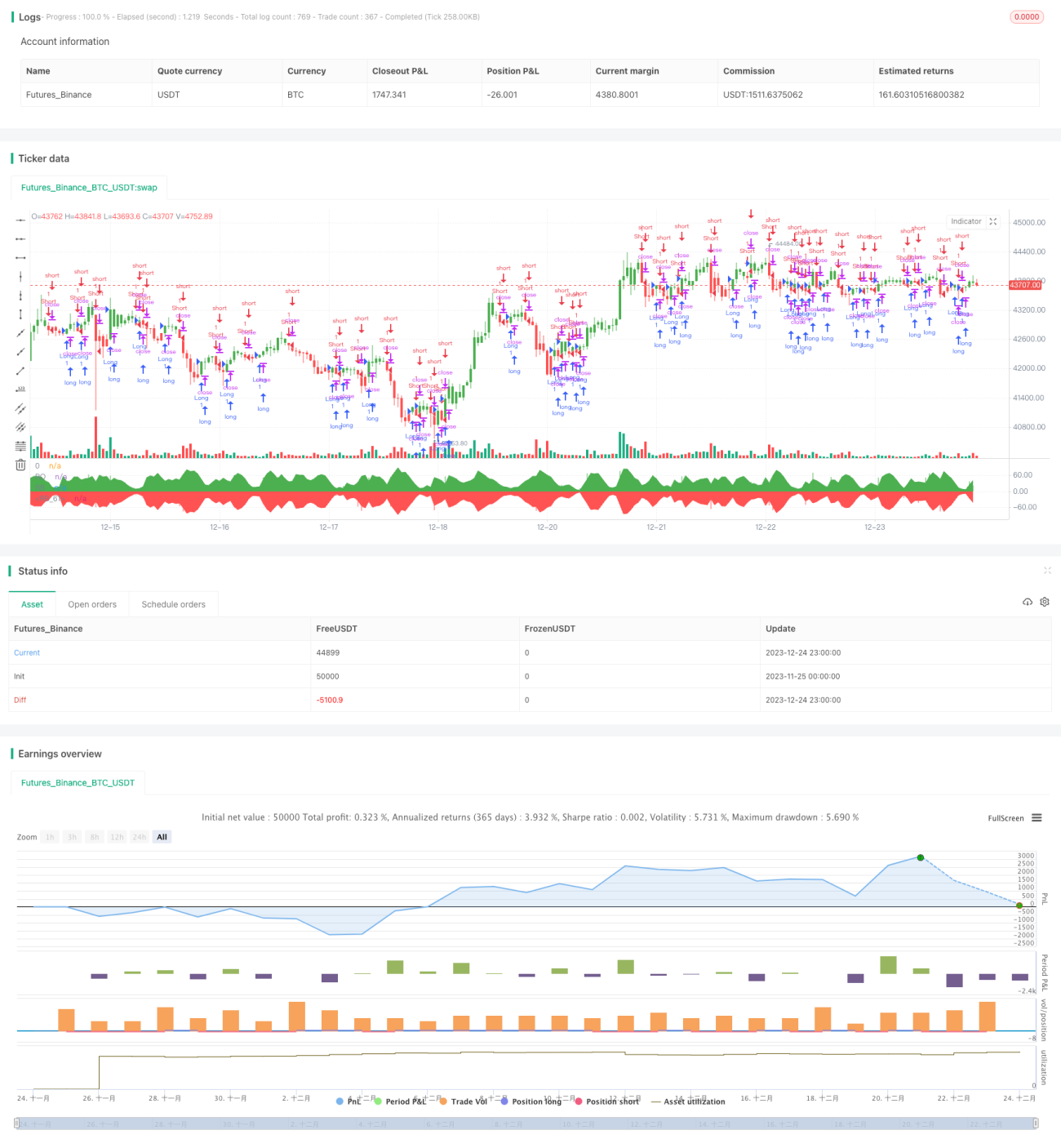
خلاصہ
رینبو آسکیلیٹر بیک ٹیسٹنگ حکمت عملی ایک مقداری تجارتی حکمت عملی ہے جو رینبو آسکیلیٹر انڈیکیٹر پر مبنی ہے۔ یہ حکمت عملی قیمت اور اوسط حرکت کے درمیان انحراف کی ڈگری کا حساب لگا کر مارکیٹ کی رجحان کی سمت اور طاقت کا تعین کرتی ہے، اور اس کی بنیاد پر لمبی اور چھوٹی پوزیشنوں کا فیصلہ کرتی ہے۔
حکمت عملی کا اصول
اس حکمت عملی کا بنیادی انڈیکیٹر رینبو آسکیلیٹر (Rainbow Oscillator, RO) ہے، جس کا حساب کتاب کا فارمولا درج ذیل ہے:
RO = 100 * ((收盘价 - 10日移动平均线) / (最高价的最高值 - 最低价的最低值))
جہاں 10日移动平均线 10 ادوار کے اختتامی قیمتوں کا سادہ حرکت پذیر اوسط ہے۔ یہ انڈیکیٹر قیمت کے اپنی اوسط سے انحراف کی عکاسی کرتا ہے۔ جب RO > 0 ہو، تو اس کا مطلب ہے کہ قیمت اوسط سے اوپر ہے، جو تیزی کا اشارہ ہے؛ جب RO < 0 ہو، تو قیمت اوسط سے نیچے ہے، جو مندی کا اشارہ ہے۔
یہ حکمت عملی ایک معاون انڈیکیٹر بھی شمار کرتی ہے جسے بینڈوڈتھ (Bandwidth, RB) کہا جاتا ہے، جس کا فارمولا یہ ہے:
RB = 100 * ((均线的最高值 - 均线的最低值) / (最高价的最高值 - 最低价的最低值))
RB اوسط کے درمیان چوڑائی کو ظاہر کرتا ہے۔ RB جتنا بڑا ہوگا، قیمت میں اتنا ہی زیادہ اتار چڑھاؤ ہوگا، اور اس کے برعکس قیمت مستحکم ہوگی۔ RB انڈیکیٹر مارکیٹ کے استحکام کی سطح کو جانچنے کے لیے استعمال ہوتا ہے۔
RO اور RB انڈیکیٹرز کی قدروں کی بنیاد پر، یہ حکمت عملی قیمت کے انحراف کی ڈگری اور مارکیٹ کے استحکام کا تعین کرتی ہے، اور اس طرح لمبی اور چھوٹی پوزیشنوں کے تجارتی سگنل پیدا کرتی ہے۔
حکمت عملی کے فوائد
اس حکمت عملی کے درج ذیل فوائد ہیں:
- دو انڈیکیٹرز پر مبنی فیصلہ، ایک انڈیکیٹر کی حدود سے بچاتا ہے۔
- بیک وقت قیمت کی رفتار اور مارکیٹ کے استحکام کا تعین کرسکتا ہے۔
- حساب کتاب آسان، سمجھنے اور لاگو کرنے میں آسان۔
- بصری انڈیکیٹر، "رینبو" اثر پیدا کرتا ہے، جو پڑھنے میں آسان اور بدیہی ہے۔
حکمت عملی کے خطرات
اس حکمت عملی میں کچھ خطرات بھی ہیں:
- RO اور RB انڈیکیٹر کے پیرامیٹرز کی غلط ترتیب سے تجارتی سگنل غلط ہوسکتے ہیں۔
- دوہری اوسط حکمت عملی غلط سگنلز اور بار بار تجارت کا سبب بن سکتی ہے۔
- بیک ٹیسٹنگ کی مدت اور مصنوعات کا غلط انتخاب حکمت عملی کی کارکردگی کو متاثر کرسکتا ہے۔
- تجارتی لاگت پر غور نہیں کیا گیا، حقیقی تجارت میں نتائج خراب ہوسکتے ہیں۔
حل:
- RO اور RB انڈیکیٹر کے پیرامیٹرز کو بہتر بنانا۔
- فلٹرنگ کی شرائط شامل کرنا تاکہ بار بار تجارت سے بچا جاسکے۔
- بیک ٹیسٹنگ کی مناسب مدت اور مصنوعات کا انتخاب کرنا۔
- تجارتی لاگت کا حساب لگا کر اسے شامل کرنا۔
حکمت عملی کی بہتری
اس حکمت عملی کو درج ذیل پہلوؤں سے بہتر بنایا جاسکتا ہے:
- RO انڈیکیٹر میں Smooth فنکشن شامل کرنا تاکہ انڈیکیٹر میں شدید اتار چڑھاؤ سے بچا جاسکے۔
- سٹاپ لاس حکمت عملی شامل کرنا تاکہ ایک تجارتی نقصان کو کنٹرول کیا جاسکے۔
- دوسرے انڈیکیٹرز کے ساتھ ملا کر تجارتی امتزاج بنانا تاکہ منافع کا امکان بڑھے۔
- مشین لرننگ ماڈل شامل کرنا تاکہ انڈیکیٹر کی تاثیر کی پیش گوئی کی جاسکے۔
- مختلف مصنوعات کے لیے پیرامیٹرز کو بہتر بنانا تاکہ موافقت بڑھے۔
خلاصہ
رینبو آسکیلیٹر بیک ٹیسٹنگ حکمت عملی قیمت اور اوسط کے درمیان انحراف کے تعلق کا حساب لگا کر مارکیٹ کے رجحان اور استحکام کا تعین کرتی ہے، اور اس کی بنیاد پر لمبی اور چھوٹی پوزیشنوں میں تجارت کرتی ہے۔ یہ حکمت عملی بدیہی اور پڑھنے میں آسان ہے، لاگو کرنا آسان ہے، اور اس کی عملی افادیت ہے۔ تاہم اس میں کچھ خطرات بھی ہیں، جن کے لیے پیرامیٹرز اور تجارتی قوانین کو بہتر بنانے کی ضرورت ہے تاکہ خطرات کم ہوں اور حقیقی تجارت میں کارکردگی بہتر ہو۔
/*backtest
start: 2023-11-25 00:00:00
end: 2023-12-25 00:00:00
period: 1h
basePeriod: 15m
exchanges: [{"eid":"Futures_Binance","currency":"BTC_USDT"}]
*/

//@version=2
////////////////////////////////////////////////////////////
//  Copyright by HPotter v1.0 18/03/2018
// Ever since the people concluded that stock market price movements are not - 1