ڈبل ویگاس چینل اتار چڑھاؤ ایڈجسٹمنٹ سپر ٹرینڈ مقداری تجارتی حکمت عملی

ATR SMA STD HLC3
تخلیق کی تاریخ: 2024-06-03 11:16:38 آخر میں ترمیم کریں: 2024-06-03 11:16:38
کاپی: 0 کلکس کی تعداد: 709
1
پر توجہ دیں
1617
پیروکار

ڈبل ویگاس چینل اتار چڑھاؤ ایڈجسٹمنٹ سپر ٹرینڈ مقداری تجارتی حکمت عملی

جائزہ

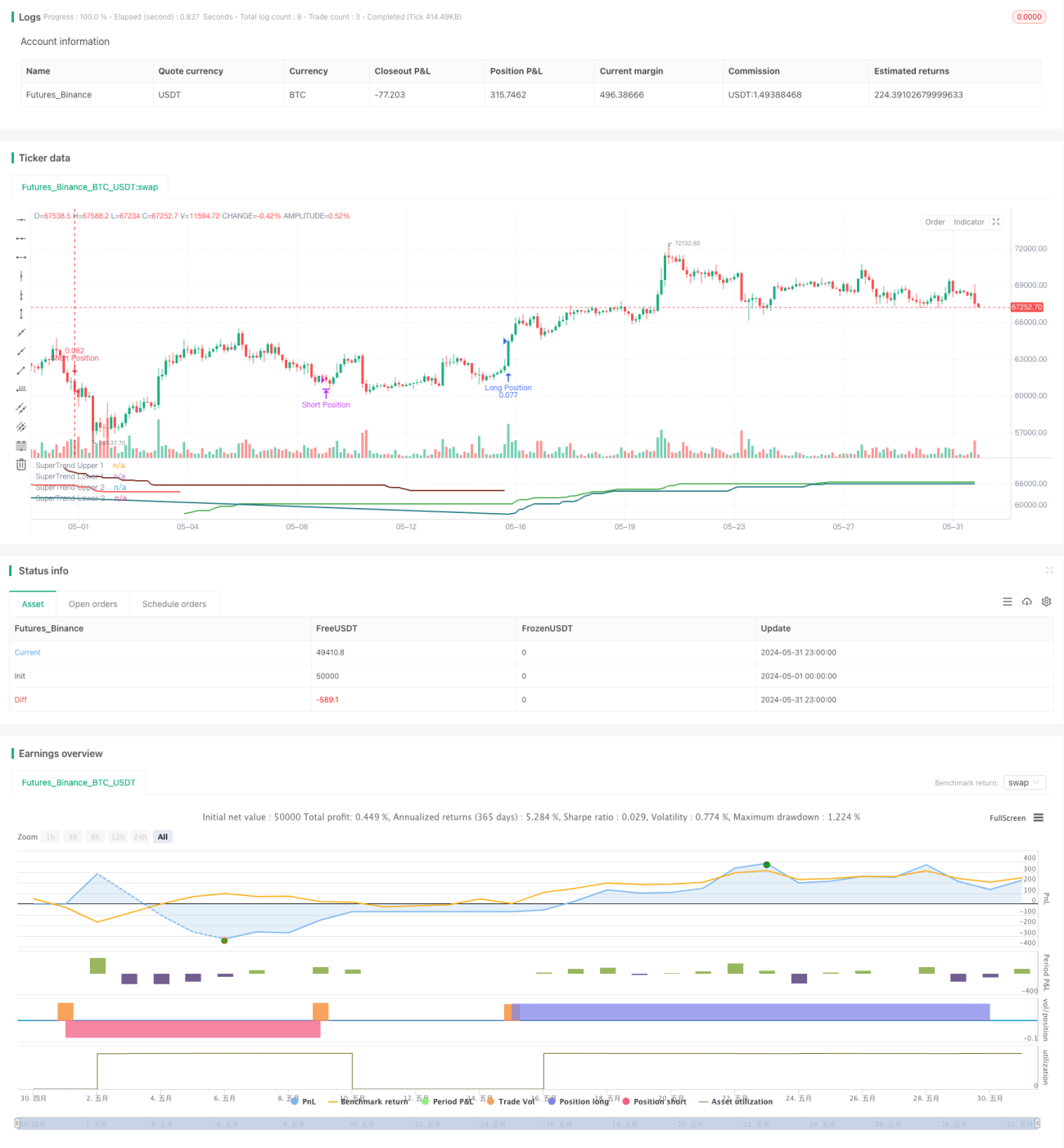
“ڈبل ویگاس چینل کی اتار چڑھاؤ کے لئے ایڈجسٹ سپر ٹرینڈ کوانٹی ٹریڈنگ اسٹریٹجی” ایک اعلی درجے کی کوانٹی ٹریڈنگ سسٹم ہے جو دو ویگاس چینل کی اتار چڑھاؤ کے لئے ایڈجسٹ سپر ٹرینڈ اشارے کو مختلف پیرامیٹرز کے ساتھ جوڑتا ہے جس کا مقصد مارکیٹ کے رجحانات کو زیادہ درست طریقے سے پکڑنا اور ٹریڈنگ سگنل پیدا کرنا ہے جو مجموعی طور پر مارکیٹ کی سمت سے مطابقت رکھتا ہے۔ اس حکمت عملی نے سپر ٹرینڈ کے حساب کتاب کو متحرک طور پر ذمہ دار بنانے کے لئے اتار چڑھاؤ کی ایڈجسٹمنٹ اور ویگاس چینل کی چوڑائی کا استعمال کیا ہے۔ اس کے علاوہ ، اس حکمت عملی میں اپنی مرضی کے مطابق اسٹاپ اور اسٹاپ نقصان کی سطح بھی شامل ہے ، جو خطرے کے انتظام کے لئے ایک مضبوط فریم ورک فراہم کرتی ہے۔

حکمت عملی کا اصول

اس حکمت عملی میں سب سے پہلے ویگاس چینل کا حساب لگایا جاتا ہے جو ایک مخصوص ونڈو کی لمبائی کے اندر بند ہونے والی قیمتوں کی سادہ حرکت پذیر اوسط ((SMA) اور معیاری فرق ((STD) سے ماخوذ ہوتا ہے۔ یہ چینل مارکیٹ میں اتار چڑھاؤ کی پیمائش کرنے میں مدد کرتا ہے اور سپر ٹرینڈ اشارے کو ایڈجسٹ کرنے کی بنیاد رکھتا ہے۔ اس کے بعد ، اوسط حقیقی رینج ((ATR) اور ایڈجسٹ ضربوں کا استعمال کرتے ہوئے ، سپر ٹرینڈ کی اونچائی اور اونچائی کا تعین کیا جاتا ہے۔

اسٹریٹجک فوائد

ڈبل ویگاس چینل کی اتار چڑھاؤ کو ایڈجسٹ کرنے والی سپر ٹرینڈ کوانٹومیٹڈ ٹریڈنگ اسٹریٹجی کا بنیادی فائدہ یہ ہے کہ یہ سپر ٹرینڈ اشارے کو متحرک طور پر بدلتے ہوئے مارکیٹ کے حالات کے مطابق ڈھال سکتا ہے۔ ویگاس چینل کی چوڑائی کو مربوط کرنے سے ، حکمت عملی مارکیٹ میں اتار چڑھاؤ کا بہتر جواب دے سکتی ہے اور رجحانات کی شناخت کی درستگی کو بہتر بنا سکتی ہے۔ اس کے علاوہ ، دو سپر ٹرینڈ اشارے کا استعمال مختلف پیرامیٹرز کی ترتیب کے ساتھ کیا جاتا ہے جو مارکیٹ کا ایک جامع نقطہ نظر فراہم کرتا ہے ، رجحانات کی تصدیق میں مدد کرتا ہے اور غلط سگنل کو فلٹر کرتا ہے۔ اپنی مرضی کے مطابق اسٹاپ اور اسٹاپ نقصان کی سطح اس حکمت عملی کی رسک مینجمنٹ کی صلاحیت کو مزید بڑھا دیتی ہے۔

اسٹریٹجک رسک

اگرچہ اس حکمت عملی کا مقصد رجحانات کی نشاندہی کی درستگی کو بہتر بنانا ہے ، لیکن اس میں کچھ خطرات موجود ہیں۔ سب سے پہلے ، یہ حکمت عملی غلط تجارتی سگنل پیدا کرسکتی ہے جب مارکیٹ میں بہت زیادہ اتار چڑھاؤ یا غیر واضح ہے۔ دوسرا ، زیادہ بار بار تجارت کرنے سے اعلی تجارتی اخراجات پیدا ہوسکتے ہیں ، جو حکمت عملی کی مجموعی کارکردگی کو متاثر کرتے ہیں۔ ان خطرات کو کم کرنے کے ل traders ، تاجر حکمت عملی کے پیرامیٹرز کو بہتر بنانے پر غور کرسکتے ہیں ، جیسے اے ٹی آر کے دورانیے ، ویگاس چینل ونڈو کی لمبائی اور سپر ٹرینڈ ضرب کو مخصوص مارکیٹ کے حالات کے مطابق ڈھالنا۔

حکمت عملی کی اصلاح کی سمت

ڈبل ویگاس چینل کی اتار چڑھاؤ کو ایڈجسٹ کرنے والی سپر ٹرینڈ کوانٹومیٹڈ ٹریڈنگ اسٹریٹجی کو متعدد طریقوں سے بہتر بنایا جاسکتا ہے۔ ایک ممکنہ اصلاحی سمت دوسرے تکنیکی اشارے جیسے نسبتا weak مضبوط اشاریہ ((RSI) یا منتقل اوسط اختتامی پھیلاؤ ((MACD) کے ساتھ مل کر ہے تاکہ رجحان کی تصدیق کی وشوسنییتا کو بہتر بنایا جاسکے۔ ایک اور اصلاحی سمت یہ ہے کہ خود کو اپنانے کا طریقہ کار متعارف کرایا جائے ، جس میں حکمت عملی کے پیرامیٹرز کو مارکیٹ کی صورتحال کے مطابق متحرک طور پر ایڈجسٹ کیا جائے۔ یہ مشین لرننگ الگورتھم کا استعمال کرکے یا قواعد پر مبنی طریقہ کار کے ذریعہ کیا جاسکتا ہے۔ اس کے علاوہ ، پوزیشن کے وقت کو بہتر بنانے اور اسٹاپ نقصان کی سطح کو بہتر بنانا حکمت عملی کی مجموعی کارکردگی کو بھی بہتر بنا سکتا ہے۔

خلاصہ کریں۔

مجموعی طور پر ، ڈبل ویگاس چینل کی اتار چڑھاؤ کو ایڈجسٹ کرنے والی سپر ٹرینڈ کوانٹائزڈ ٹریڈنگ اسٹریٹجی ایک طاقتور تجارتی نظام ہے جو اتار چڑھاؤ کو ایڈجسٹ کرنے اور ویگاس چینل کی چوڑائی کا استعمال کرکے رجحانات کی نشاندہی کی درستگی کو بہتر بناتا ہے۔ اس حکمت عملی میں دو سپر ٹرینڈ اشارے استعمال کیے جاتے ہیں جن میں مختلف پیرامیٹرز کی ترتیب ہوتی ہے تاکہ مارکیٹ کا زیادہ جامع نقطہ نظر حاصل کیا جاسکے۔ اگرچہ اس حکمت عملی میں بہت زیادہ صلاحیت کا مظاہرہ کیا گیا ہے ، لیکن اس کے اندرونی خطرات کے ساتھ محتاط رہنا ضروری ہے۔ اس حکمت عملی کی کارکردگی کو مزید بہتر بنانے کے لئے حکمت عملی کے پیرامیٹرز کو بہتر بنانا ، دیگر تکنیکی اشارے متعارف کرانا اور موافقت کے طریقہ کار کو نافذ کرنا ضروری ہے۔

حکمت عملی کا ماخذ کوڈ
/*backtest
start: 2024-05-01 00:00:00
end: 2024-05-31 23:59:59
period: 3h
basePeriod: 15m
exchanges: [{"eid":"Futures_Binance","currency":"BTC_USDT"}]
*/

// This Pine Script™ code is subject to the terms of the Mozilla Public License 2.0 at https://mozilla.org/MPL/2.0/
// © PresentTrading

// The "Double Vegas SuperTrend Enhanced" strategy uses two SuperTrend indicators with different ATR and Vegas Channel settings 
// to identify market trends and generate trades. Trades are executed only when both SuperTrends align in the same direction. 
// The strategy includes configurable take-profit and stop-loss levels, and plots the SuperTrend levels on the chart.

//@version=5
strategy("Double Vegas SuperTrend Enhanced - Strategy [presentTrading]", shorttitle="Double Vegas SuperTrend Enhanced - Strategy [presentTrading]", overlay=true, overlay = false, 
 precision=3, commission_value= 0.1, commission_type=strategy.commission.percent, slippage= 1, currency=currency.USD, default_qty_type = strategy.percent_of_equity, 
 default_qty_value = 10, initial_capital= 10000)


// Input settings allow the user to customize the strategy's parameters.
tradeDirectionChoice = input.string(title="Trade Direction", defval="Both", options=["Long", "Short", "Both"]) // Option to select the trading direction

// Settings for the first Vegas SuperTrend
atrPeriod1 = input(10, "ATR Period for SuperTrend 1") // Length of the ATR for volatility measurement
vegasWindow1 = input(100, "Vegas Window Length 1") // Length of the moving average for the Vegas Channel
superTrendMultiplier1 = input(5, "SuperTrend Multiplier Base 1") // Base multiplier for the SuperTrend calculation
volatilityAdjustment1 = input.float(5, "Volatility Adjustment Factor 1") // Factor to adjust the SuperTrend sensitivity to the Vegas Channel width

// Settings for the second Vegas SuperTrend
atrPeriod2 = input(5, "ATR Period for SuperTrend 2") // Length of the ATR for volatility measurement
vegasWindow2 = input(200, "Vegas Window Length 2") // Length of the moving average for the Vegas Channel
superTrendMultiplier2 = input(7, "SuperTrend Multiplier Base 2") // Base multiplier for the SuperTrend calculation
volatilityAdjustment2 = input.float(7, "Volatility Adjustment Factor 2") // Factor to adjust the SuperTrend sensitivity to the Vegas Channel width

// Settings for Hold Days and TPSL Conditions
useHoldDays = input.bool(true, title="Use Hold Days")
holdDays = input.int(5, title="Hold Days", minval=1, maxval=60, step=1)
TPSLCondition = input.string("None", "TPSL Condition", options=["TP", "SL", "Both", "None"])
takeProfitPerc = input(30.0, title="Take Profit (%)")
stopLossPerc = input(20.0, title="Stop Loss (%)")

// Calculate the first Vegas Channel using a simple moving average and standard deviation.
vegasMovingAverage1 = ta.sma(close, vegasWindow1)
vegasChannelStdDev1 = ta.stdev(close, vegasWindow1)
vegasChannelUpper1 = vegasMovingAverage1 + vegasChannelStdDev1
vegasChannelLower1 = vegasMovingAverage1 - vegasChannelStdDev1

// Adjust the first SuperTrend multiplier based on the width of the Vegas Channel.
channelVolatilityWidth1 = vegasChannelUpper1 - vegasChannelLower1
adjustedMultiplier1 = superTrendMultiplier1 + volatilityAdjustment1 * (channelVolatilityWidth1 / vegasMovingAverage1)

// Calculate the first SuperTrend indicator values.
averageTrueRange1 = ta.atr(atrPeriod1)
superTrendUpper1 = hlc3 - (adjustedMultiplier1 * averageTrueRange1)
superTrendLower1 = hlc3 + (adjustedMultiplier1 * averageTrueRange1)
var float superTrendPrevUpper1 = na
var float superTrendPrevLower1 = na
var int marketTrend1 = 1

// Update SuperTrend values and determine the current trend direction for the first SuperTrend.
superTrendPrevUpper1 := nz(superTrendPrevUpper1[1], superTrendUpper1)
superTrendPrevLower1 := nz(superTrendPrevLower1[1], superTrendLower1)
marketTrend1 := close > superTrendPrevLower1 ? 1 : close < superTrendPrevUpper1 ? -1 : nz(marketTrend1[1], 1)
superTrendUpper1 := marketTrend1 == 1 ? math.max(superTrendUpper1, superTrendPrevUpper1) : superTrendUpper1
superTrendLower1 := marketTrend1 == -1 ? math.min(superTrendLower1, superTrendPrevLower1) : superTrendLower1
superTrendPrevUpper1 := superTrendUpper1
superTrendPrevLower1 := superTrendLower1

// Calculate the second Vegas Channel using a simple moving average and standard deviation.
vegasMovingAverage2 = ta.sma(close, vegasWindow2)
vegasChannelStdDev2 = ta.stdev(close, vegasWindow2)
vegasChannelUpper2 = vegasMovingAverage2 + vegasChannelStdDev2
vegasChannelLower2 = vegasMovingAverage2 - vegasChannelStdDev2

// Adjust the second SuperTrend multiplier based on the width of the Vegas Channel.
channelVolatilityWidth2 = vegasChannelUpper2 - vegasChannelLower2
adjustedMultiplier2 = superTrendMultiplier2 + volatilityAdjustment2 * (channelVolatilityWidth2 / vegasMovingAverage2)

// Calculate the second SuperTrend indicator values.
averageTrueRange2 = ta.atr(atrPeriod2)
superTrendUpper2 = hlc3 - (adjustedMultiplier2 * averageTrueRange2)
superTrendLower2 = hlc3 + (adjustedMultiplier2 * averageTrueRange2)
var float superTrendPrevUpper2 = na
var float superTrendPrevLower2 = na
var int marketTrend2 = 1

// Update SuperTrend values and determine the current trend direction for the second SuperTrend.
superTrendPrevUpper2 := nz(superTrendPrevUpper2[1], superTrendUpper2)
superTrendPrevLower2 := nz(superTrendPrevLower2[1], superTrendLower2)
marketTrend2 := close > superTrendPrevLower2 ? 1 : close < superTrendPrevUpper2 ? -1 : nz(marketTrend2[1], 1)
superTrendUpper2 := marketTrend2 == 1 ? math.max(superTrendUpper2, superTrendPrevUpper2) : superTrendUpper2
superTrendLower2 := marketTrend2 == -1 ? math.min(superTrendLower2, superTrendPrevLower2) : superTrendLower2
superTrendPrevUpper2 := superTrendUpper2
superTrendPrevLower2 := superTrendLower2

// Enhanced Visualization
// Plot the SuperTrend and Vegas Channel for visual analysis for both lengths.
plot(marketTrend1 == 1 ? superTrendUpper1 : na, "SuperTrend Upper 1", color=color.green, linewidth=2)
plot(marketTrend1 == -1 ? superTrendLower1 : na, "SuperTrend Lower 1", color=color.red, linewidth=2)

plot(marketTrend2 == 1 ? superTrendUpper2 : na, "SuperTrend Upper 2", color=color.rgb(31, 119, 130), linewidth=2)
plot(marketTrend2 == -1 ? superTrendLower2 : na, "SuperTrend Lower 2", color=color.rgb(120, 42, 26), linewidth=2)

// Detect trend direction changes and plot entry/exit signals for both lengths.
trendShiftToBullish1 = marketTrend1 == 1 and marketTrend1[1] == -1
trendShiftToBearish1 = marketTrend1 == -1 and marketTrend1[1] == 1

trendShiftToBullish2 = marketTrend2 == 1 and marketTrend2[1] == -1
trendShiftToBearish2 = marketTrend2 == -1 and marketTrend2[1] == 1

// Define conditions for entering long or short positions, and execute trades based on these conditions for both lengths.
enterLongCondition1 = marketTrend1 == 1
enterShortCondition1 = marketTrend1 == -1

enterLongCondition2 = marketTrend2 == 1
enterShortCondition2 = marketTrend2 == -1

// Entry conditions: Both conditions must be met for a trade to be executed.
enterLongCondition = enterLongCondition1 and enterLongCondition2 and not na(superTrendPrevUpper1[1]) and not na(superTrendPrevUpper2[1])
enterShortCondition = enterShortCondition1 and enterShortCondition2 and not na(superTrendPrevLower1[1]) and not na(superTrendPrevLower2[1])

// Variables to track entry times
var float longEntryTime = na
var float shortEntryTime = na

// Variables to track whether we have recently exited a trade to prevent re-entry in the same trend
var bool recentlyExitedLong = false
var bool recentlyExitedShort = false

// Check trade direction choice before executing trade entries.
if (enterLongCondition and (tradeDirectionChoice == "Long" or tradeDirectionChoice == "Both"))
    if (strategy.position_size < 0)
        strategy.close("Short Position")
    strategy.entry("Long Position", strategy.long)
    longEntryTime := time
    recentlyExitedLong := false
    recentlyExitedShort := false

if (enterShortCondition and (tradeDirectionChoice == "Short" or tradeDirectionChoice == "Both"))
    if (strategy.position_size > 0)
        strategy.close("Long Position")
    strategy.entry("Short Position", strategy.short)
    shortEntryTime := time
    recentlyExitedShort := false
    recentlyExitedLong := false

// Exit conditions: Either condition being met will trigger an exit.
exitLongCondition = marketTrend1 == -1 or marketTrend2 == -1
exitShortCondition = marketTrend1 == 1 or marketTrend2 == 1

// Close positions based on exit conditions or hold days.
if (useHoldDays and not na(longEntryTime) and (time >= longEntryTime + holdDays * 86400000) and strategy.position_size > 0)
    strategy.close("Long Position")
    longEntryTime := na
    recentlyExitedLong := true

if (useHoldDays and not na(shortEntryTime) and (time >= shortEntryTime + holdDays * 86400000) and strategy.position_size < 0)
    strategy.close("Short Position")
    shortEntryTime := na
    recentlyExitedShort := true

if (not useHoldDays and exitLongCondition and strategy.position_size > 0)
    strategy.close("Long Position")
    longEntryTime := na
    recentlyExitedLong := true

if (not useHoldDays and exitShortCondition and strategy.position_size < 0)
    strategy.close("Short Position")
    shortEntryTime := na
    recentlyExitedShort := true

// Reset recently exited flags on trend change to allow re-entry on a new trend
if (trendShiftToBullish1 or trendShiftToBullish2)
    recentlyExitedLong := false

if (trendShiftToBearish1 or trendShiftToBearish2)
    recentlyExitedShort := false

// Conditional Profit and Loss Management
if (TPSLCondition == "TP" or TPSLCondition == "Both") 
    // Apply take profit conditions
    strategy.exit("TakeProfit_Long", "Long Position", limit=close * (1 + takeProfitPerc / 100))
    strategy.exit("TakeProfit_Short", "Short Position", limit=close * (1 - takeProfitPerc / 100))

if (TPSLCondition == "SL" or TPSLCondition == "Both") 
    // Apply stop loss conditions
    strategy.exit("StopLoss_Long", "Long Position", stop=close * (1 - stopLossPerc / 100))
    strategy.exit("StopLoss_Short", "Short Position", stop=close * (1 + stopLossPerc / 100))

// Ensure that new entry signals can override the hold days condition
if (enterLongCondition and (tradeDirectionChoice == "Long" or tradeDirectionChoice == "Both"))
    if (strategy.position_size < 0)
        strategy.close("Short Position")
    strategy.entry("Long Position", strategy.long)
    longEntryTime := time
    recentlyExitedLong := false
    recentlyExitedShort := false

if (enterShortCondition and (tradeDirectionChoice == "Short" or tradeDirectionChoice == "Both"))
    if (strategy.position_size > 0)
        strategy.close("Long Position")
    strategy.entry("Short Position", strategy.short)
    shortEntryTime := time
    recentlyExitedShort := false
    recentlyExitedLong := false