ڈبل موونگ ایوریج کراس اوور پر مبنی موونگ ایوریج حکمت عملی

جائزہ
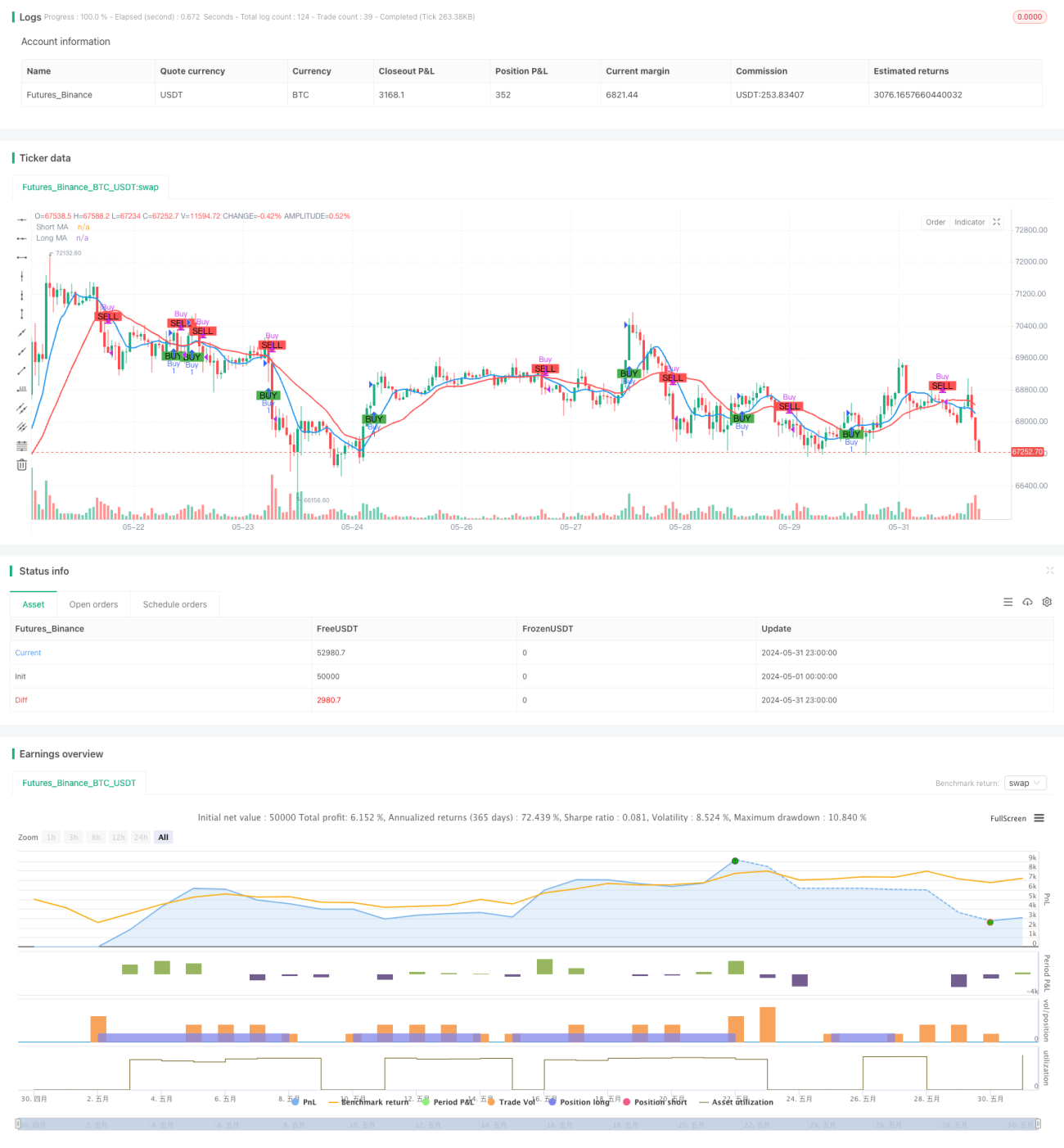
ڈبل موونگ ایوریج کراس اوور پر مبنی موونگ ایوریج حکمت عملی ایک سادہ اور مؤثر انٹرا ڈے ٹریڈنگ طریقہ ہے جو دو مختلف ادوار کی موونگ ایوریجز کے درمیان تعلق کا تجزیہ کرکے مارکیٹ میں ممکنہ خرید و فروخت کے مواقع کی نشاندہی کرتی ہے۔ یہ حکمت عملی ایک مختصر مدت کی سادہ موونگ ایوریج (SMA) اور ایک طویل مدت کی سادہ موونگ ایوریج استعمال کرتی ہے۔ جب مختصر مدت کی موونگ ایوریج طویل مدت کی موونگ ایوریج کو اوپر سے عبور کرتی ہے تو یہ ایک تیزی کا اشارہ ہے، جو ممکنہ خریداری کے موقع کی طرف اشارہ کرتا ہے۔ اس کے برعکس، جب مختصر مدت کی موونگ ایوریج طویل مدت کی موونگ ایوریج کو نیچے سے عبور کرتی ہے تو یہ ایک مندی کا اشارہ ہے، جو ممکنہ فروخت کے موقع کی طرف اشارہ کرتا ہے۔ یہ کراس اوور طریقہ تاجروں کو مارکیٹ کے رجحان کی حرکت کو گرفت میں لینے میں مدد دیتا ہے جبکہ مارکیٹ کے شور کی مداخلت کو کم کرتا ہے۔
حکمت عملی کا اصول
اس حکمت عملی کا بنیادی اصول مختلف ادوار کی موونگ ایوریجز کی رجحان کی خصوصیات اور تاخیر کا استعمال کرنا ہے۔ مختصر مدت اور طویل مدت کی موونگ ایوریجز کے درمیان رشتہ دار پوزیشن کا موازنہ کرکے، یہ مارکیٹ کے موجودہ رجحان کی سمت کا تعین کرتی ہے اور اس کے مطابق تجارتی فیصلے کرتی ہے۔ جب مارکیٹ میں اوپر کا رجحان ابھرتا ہے تو قیمت پہلے طویل مدت کی موونگ ایوریج کو توڑتی ہے، اور پھر مختصر مدت کی موونگ ایوریج طویل مدت کی موونگ ایوریج کو اوپر سے عبور کرکے گولڈن کراس بناتی ہے، جس سے خریداری کا سگنل پیدا ہوتا ہے۔ جب مارکیٹ میں نیچے کا رجحان ابھرتا ہے تو قیمت پہلے طویل مدت کی موونگ ایوریج کے نیچے ٹوٹتی ہے، اور پھر مختصر مدت کی موونگ ایوریج طویل مدت کی موونگ ایوریج کو نیچے سے عبور کرکے ڈیتھ کراس بناتی ہے، جس سے فروخت کا سگنل پیدا ہوتا ہے۔ اس حکمت عملی کے پیرامیٹر سیٹنگز میں، مختصر مدت کی موونگ ایوریج کی مدت 9 اور طویل مدت کی موونگ ایوریج کی مدت 21 مقرر کی گئی ہے۔ ان دو پیرامیٹرز کو مارکیٹ کی خصوصیات اور ذاتی ترجیحات کے مطابق ایڈجسٹ کیا جا سکتا ہے۔ اس کے علاوہ، یہ حکمت عملی ابتدائی سرمایہ اور فی تجارت رسک تناسب مقرر کرکے، پوزیشن سائزنگ کے ذریعے ہر تجارت کے رسک ایکسپوژر کو کنٹرول کرنے کے لیے منی مینجمنٹ کا تصور بھی متعارف کراتی ہے۔
حکمت عملی کے فوائد
- سادہ اور سمجھنے میں آسان: یہ حکمت عملی کلاسک موونگ ایوریج تھیوری پر مبنی ہے، منطق واضح ہے اور اسے سمجھنا اور لاگو کرنا آسان ہے۔
- موافقت پذیر: یہ حکمت عملی متعدد مارکیٹوں اور مختلف تجارتی مصنوعات پر لاگو ہو سکتی ہے، پیرامیٹرز کو ایڈجسٹ کرکے مختلف مارکیٹ کی خصوصیات سے لچکدار طریقے سے نمٹا جا سکتا ہے۔
- رجحان کو گرفت میں لینا: ڈبل موونگ ایوریج کراس اوور کے ذریعے رجحان کی سمت کا تعین تاجروں کو مرکزی رجحان کی بروقت پیروی کرنے میں مدد دیتا ہے، جس سے منافع کے مواقع بڑھتے ہیں۔
- رسک کنٹرول: یہ حکمت عملی رسک مینجمنٹ کا تصور متعارف کراتی ہے، پوزیشن سائزنگ کے ذریعے ہر تجارت کے رسک ایکسپوژر کو کنٹرول کرتی ہے اور ممکنہ نقصانات کو مؤثر طریقے سے منظم کرتی ہے۔
- شور میں کمی: موونگ ایوریجز کی تاخیر کی خصوصیت کا استعمال کرکے یہ مارکیٹ میں بے ترتیب شور کو مؤثر طریقے سے فلٹر کرتی ہے، جس سے تجارتی سگنلز کی وشوسنییتا بڑھ جاتی ہے۔
حکمت عملی کے خطرات
- پیرامیٹر کا انتخاب: مختلف پیرامیٹر سیٹنگز حکمت عملی کی کارکردگی پر اہم اثر ڈالتی ہیں، غلط انتخاب حکمت عملی کو ناکام یا ناقص کارکردگی کا باعث بن سکتا ہے۔
- مارکیٹ کا رجحان: اتار چڑھاؤ والی مارکیٹ یا رجحان کے موڑ پر، یہ حکمت عملی مسلسل نقصان کا سامنا کر سکتی ہے۔
- سلپج لاگت: بار بار تجارت کرنے سے سلپج لاگت زیادہ ہو سکتی ہے، جو حکمت عملی کے مجموعی منافع کو متاثر کرتی ہے۔
- بلیک سوان واقعات: یہ حکمت عملی انتہائی حالات کے لیے کم موافقت رکھتی ہے، بلیک سوان واقعات حکمت عملی کو بڑے نقصان کا سبب بن سکتے ہیں۔
- اوور فٹنگ کا خطرہ: اگر پیرامیٹر آپٹیمائزیشن تاریخی ڈیٹا پر زیادہ انحصار کرتی ہے تو اس کی وجہ سے حکمت عملی حقیقی تجارت میں ناقص کارکردگی دکھا سکتی ہے۔
حکمت عملی کی اصلاح کی سمت
- متحرک پیرامیٹر آپٹیمائزیشن: مارکیٹ کی حالت میں تبدیلی کے مطابق حکمت عملی کے پیرامیٹرز کو متحرک طور پر ایڈجسٹ کرکے موافقت بڑھانا۔
- رجحان کی تصدیق: تجارتی سگنل پیدا ہونے کے بعد، رجحان کی تصدیق کے لیے دوسرے انڈیکیٹرز یا قیمت کے رویے کے پیٹرن متعارف کروانا، جس سے سگنل کی وشوسنییتا بہتر ہو۔
- سٹاپ لاس اور ٹیک پرافٹ: ایک مناسب سٹاپ لاس اور ٹیک پرافٹ میکانزم متعارف کروا کر ہر تجارت کے رسک ایکسپوژر کو مزید کنٹرول کرنا۔
- پوزیشن مینجمنٹ: پوزیشن سائزنگ کے طریقہ کار کو بہتر بنانا، مثال کے طور پر وولیٹیلیٹی انڈیکیٹر متعارف کروا کر مارکیٹ کے اتار چڑھاؤ کی سطح کے مطابق پوزیشن کو متحرک طور پر ایڈجسٹ کرنا۔
- تیزی اور مندی کی قوت کا جائزہ: تیزی اور مندی کی قوتوں کے تناسب کا جائزہ لے کر رجحان کے ابتدائی مرحلے میں داخل ہونا، جس سے رجحان کی گرفت کی درستگی بہتر ہوتی ہے۔
خلاصہ
ڈبل موونگ ایوریج کراس اوور پر مبنی موونگ ایوریج حکمت عملی ایک سادہ اور عملی انٹرا ڈے ٹریڈنگ طریقہ ہے جو مختلف ادوار کی موونگ ایوریجز کی پوزیشنوں کا موازنہ کرکے مارکیٹ کے رجحان کی سمت کا تعین کرتی ہے اور تجارتی سگنل پیدا کرتی ہے۔ یہ حکمت عملی منطق میں واضح اور موافقت پذیر ہے، مؤثر طریقے سے مارکیٹ کے رجحان کو گرفت میں لے سکتی ہے اور ساتھ ہی رسک مینجمنٹ کے اقدامات متعارف کروا کر ممکنہ نقصانات کو کنٹرول کرتی ہے۔ تاہم، اس حکمت عملی میں پیرامیٹر کے انتخاب، رجحان کے موڑ، اور بار بار تجارت جیسے ممکنہ خطرات بھی موجود ہیں، جنہیں متحرک اصلاح، سگنل کی تصدیق، اور پوزیشن مینجمنٹ جیسے طریقوں سے حکمت عملی کی مضبوطی اور منافع بخشی کو مزید بہتر بنانے کی ضرورت ہے۔ مجموعی طور پر، موونگ ایوریج ایک کلاسک تکنیکی تجزیہ انڈیکیٹر ہے، جس کے بنیادی اصول اور عملی استعمال کی قدر کو مارکیٹ میں وسیع پیمانے پر توثیق مل چکی ہے، اور یہ گہرائی سے تحقیق اور مسلسل اصلاح کے قابل تجارتی حکمت عملی ہے۔
Overview
The Moving Average Crossover Strategy based on dual moving averages is a straightforward and effective intraday trading approach designed to identify potential buy and sell opportunities in the market by analyzing the relationship between two moving averages of different periods. This strategy utilizes a short-term simple moving average (SMA) and a long-term simple moving average. When the short-term moving average crosses above the long-term moving average, it indicates a bullish signal, suggesting a potential buying opportunity. Conversely, when the short-term moving average crosses below the long-term moving average, it indicates a bearish signal, suggesting a potential selling opportunity. This crossover method helps traders capture trending moves in the market while minimizing market noise interference.
Strategy Principle
The core principle of this strategy is to utilize the trend characteristics and lag of moving averages with different periods. By comparing the relative position relationship between the short-term moving average and the long-term moving average, it determines the current market trend direction and makes corresponding trading decisions. When an upward trend emerges in the market, the price will first break through the long-term moving average, and the short-term moving average will subsequently cross above the long-term moving average, forming a golden cross and generating a buy signal. When a downward trend emerges in the market, the price will first break below the long-term moving average, and the short-term moving average will subsequently cross below the long-term moving average, forming a death cross and generating a sell signal. In the parameter settings of this strategy, the period of the short-term moving average is set to 9, and the period of the long-term moving average is set to 21. These two parameters can be adjusted based on market characteristics and personal preferences. Additionally, this strategy introduces the concept of money management by setting the initial capital and risk percentage per trade, using position sizing to control the risk exposure of each trade.
حکمت عملی کے فوائد
- سادگی: یہ حکمت عملی کلاسک موونگ ایوریج تھیوری پر مبنی ہے، منطق واضح ہے اور اسے سمجھنا اور نافذ کرنا آسان ہے۔
- موافقت: یہ حکمت عملی متعدد مارکیٹوں اور مختلف ٹریڈنگ انسٹرومنٹس پر لاگو کی جا سکتی ہے۔ پیرامیٹر سیٹنگز کو ایڈجسٹ کرکے، اسے مختلف مارکیٹ خصوصیات کے مطابق لچکدار طریقے سے ڈھالا جا سکتا ہے۔
- رجحان کی گرفت: ڈوئل موونگ ایوریج کراس اوور کا استعمال کرتے ہوئے رجحان کی سمت کا تعین کرنے سے، تاجروں کو بروقت مرکزی دھارے کے رجحان کی پیروی کرنے اور منافع کے مواقع بڑھانے میں مدد ملتی ہے۔
- رسک کنٹرول: یہ حکمت عملی رسک مینجمنٹ کا تصور متعارف کراتی ہے، پوزیشن سائزنگ کا استعمال کرتے ہوئے ہر ٹریڈ کے رسک ایکسپوژر کو کنٹرول کرتی ہے، مؤثر طریقے سے ممکنہ نقصانات کا انتظام کرتی ہے۔
- شور میں کمی: موونگ ایوریجز کی تاخیر کی خصوصیت کا فائدہ اٹھاتے ہوئے، یہ مارکیٹ میں بے ترتیب شور کو مؤثر طریقے سے فلٹر کرتی ہے، ٹریڈنگ سگنلز کی قابل اعتمادی کو بہتر بناتی ہے۔
حکمت عملی کے خطرات
- پیرامیٹر کا انتخاب: مختلف پیرامیٹر سیٹنگز حکمت عملی کی کارکردگی پر نمایاں اثر ڈال سکتی ہیں۔ غلط انتخاب حکمت عملی کی ناکامی یا خراب کارکردگی کا سبب بن سکتا ہے۔
- مارکیٹ کا رجحان: رینجنگ مارکیٹوں یا رجحان کے موڑ کے مقامات پر، یہ حکمت عملی لگاتار نقصانات کا سامنا کر سکتی ہے۔
- سلپیج لاگت: بار بار ٹریڈنگ کے نتیجے میں زیادہ سلپیج لاگت آ سکتی ہے، جس سے حکمت عملی کی مجموعی منافع پر اثر پڑتا ہے۔
- بلیک سوان واقعات: یہ حکمت عملی انتہائی مارکیٹ حالات کے لیے کم موافقت رکھتی ہے، اور بلیک سوان واقعات حکمت عملی کو بڑے نقصان پہنچا سکتے ہیں۔
- اوور فٹنگ کا خطرہ: اگر پیرامیٹر آپٹیمائزیشن تاریخی ڈیٹا پر بہت زیادہ انحصار کرتی ہے، تو اس کے نتیجے میں اصل ٹریڈنگ میں حکمت عملی کی کارکردگی خراب ہو سکتی ہے۔
حکمت عملی کی اصلاح کی سمتیں
- متحرک پیرامیٹر آپٹیمائزیشن: مارکیٹ کے حالات میں تبدیلیوں کی بنیاد پر حکمت عملی کے پیرامیٹرز کو متحرک طور پر ایڈجسٹ کریں تاکہ موافقت بہتر ہو سکے۔
- رجحان کی تصدیق: ٹریڈنگ سگنلز پیدا ہونے کے بعد، رجحان کی تصدیق کے لیے دیگر اشارے یا قیمت کے رویے کے نمونے متعارف کروائیں، جس سے سگنلز کی قابل اعتمادی بہتر ہو۔
- سٹاپ-لاس اور ٹیک-پرافٹ: مناسب سٹاپ-لاس اور ٹیک-پرافٹ میکانزم متعارف کروائیں تاکہ ہر ٹریڈ کے رسک ایکسپوژر کو مزید کنٹرول کیا جا سکے۔
- پوزیشن مینجمنٹ: پوزیشن سائزنگ کے طریقے کو بہتر بنائیں، جیسے کہ مارکیٹ کے اتار چڑھاؤ کی سطحوں کی بنیاد پر متحرک طور پر پوزیشنز کو ایڈجسٹ کرنے کے لیے اتار چڑھاؤ کے اشارے متعارف کروانا۔
- لمبی-چھوٹی طاقت کا جائزہ: بُلش اور بیئرش قوتوں کے درمیان تقابلی تعلق کا جائزہ لیں، رجحان کے ابتدائی مرحلے میں داخل ہوں تاکہ رجحان کی گرفت کی درستگی بہتر ہو سکے۔
خلاصہ
ڈوئل موونگ ایوریجز پر مبنی موونگ ایوریج کراس اوور حکمت عملی ایک سادہ اور عملی انٹرا ڈے ٹریڈنگ طریقہ ہے۔ مختلف ادوار کی موونگ ایوریجز کی پوزیشن کے تعلق کا موازنہ کرکے، مارکیٹ کے رجحان کی سمت کا تعین کیا جاتا ہے اور ٹریڈنگ سگنلز پیدا کیے جاتے ہیں۔ اس حکمت عملی کی منطق واضح ہے، موافقت مضبوط ہے، اور یہ مارکیٹ کے رجحانات کو مؤثر طریقے سے گرفت میں لے سکتی ہے، جبکہ ممکنہ نقصانات کو کنٹرول کرنے کے لیے رسک مینجمنٹ کے اقدامات متعارف کرواتی ہے۔ تاہم، اس حکمت عملی میں پیرامیٹر کے انتخاب، رجحان کی تبدیلی، بار بار ٹریڈنگ وغیرہ جیسے ممکنہ خطرات بھی ہیں، جنہیں متحرک آپٹیمائزیشن، سگنل کی تصدیق، پوزیشن مینجمنٹ اور دیگر طریقوں کے ذریعے مزید بہتر بنانے کی ضرورت ہے تاکہ حکمت عملی کی مضبوطی اور منافع کو بڑھایا جا سکے۔ عام طور پر، ایک کلاسک تکنیکی تجزیہ اشارے کے طور پر، موونگ ایوریجز کے بنیادی اصولوں اور عملی اطلاق کی قدر کو مارکیٹ نے بڑے پیمانے پر تصدیق کی ہے۔ یہ ایک ٹریڈنگ حکمت عملی ہے جو گہرائی سے تحقیق اور مسلسل اصلاح کے قابل ہے۔
- 1